
Jones Act waiver expires as Republicans try to let fuel politics do the talking
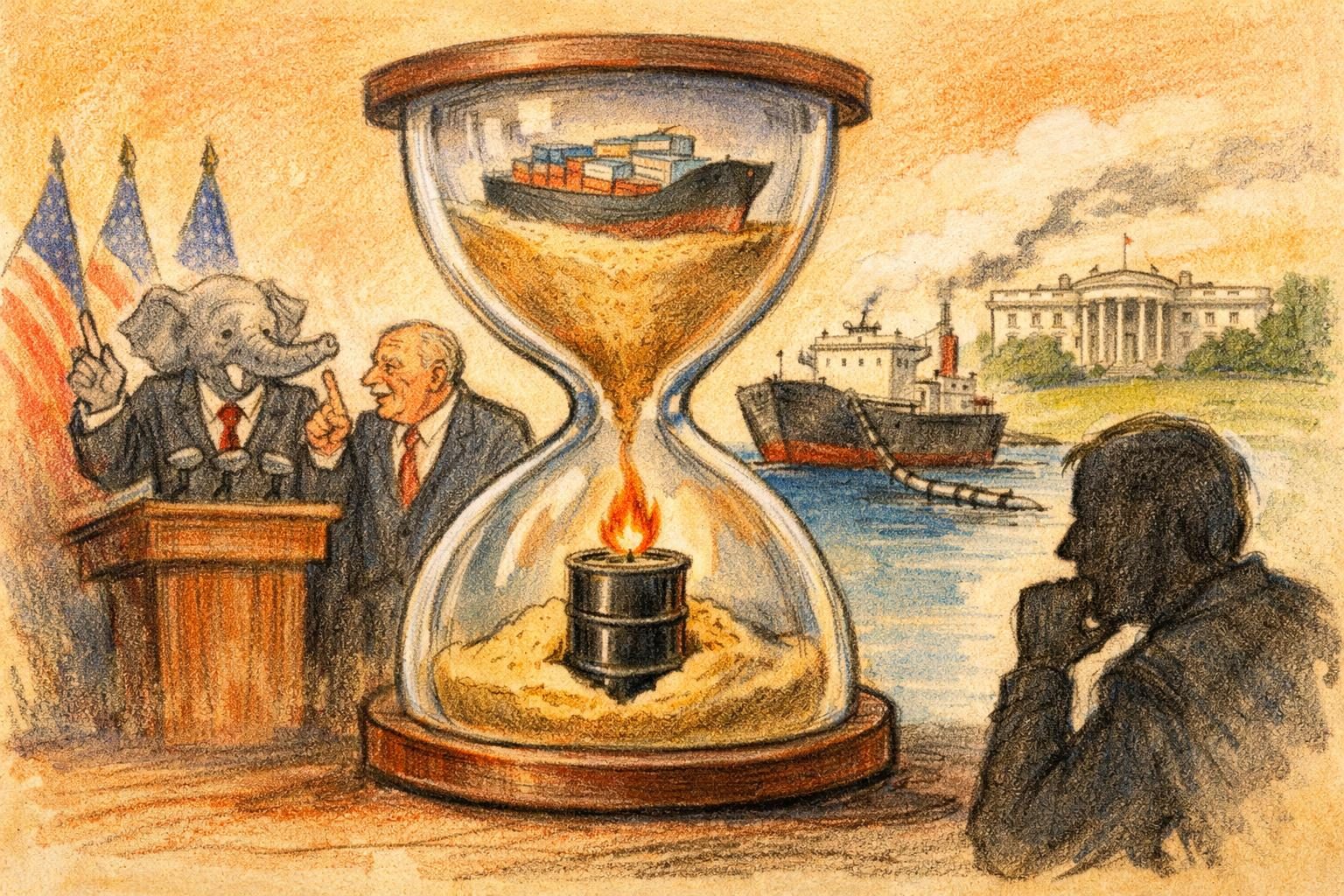
The temporary Jones Act waiver that had been propped up as a short-term relief valve for shipping costs and supply-chain flexibility was set to expire on August 16, 2026, and that deadline turned a relatively obscure maritime policy into a fresh political test. Republican lawmakers publicly urged the administration not to extend the exception, arguing that the waiver distorted the market and weakened the case for domestic shipping capacity. Supporters of the waiver, meanwhile, treated it as a practical tool that could help blunt pressure on fuel, fertilizer, and other cargoes that are especially sensitive to transportation bottlenecks. The underlying law is hardly new, but the expiration date gave the issue a hard edge that Washington debates usually lack. Once a deadline like this arrives, the question stops being theoretical and becomes a decision the White House has to own.
That is what made the waiver fight worth watching beyond the usual maritime-policy crowd. Jones Act waivers often sound like a niche issue, but they can have real effects when commodity prices are moving, shipping routes are tight, or the government needs room to respond quickly to disruptions. A waiver can lower short-term costs by allowing a vessel or cargo movement that would otherwise run into restrictions, but it can also anger domestic shipping interests that view the exception as another chip away at U.S.-flagged industry. In practical terms, that leaves policymakers choosing between protecting a regulated market and preserving flexibility when supply chains are under strain. The argument is not just about trade doctrine or coastal shipping rules; it is about whether the government wants to absorb some friction now in the hope of supporting a larger industrial base later. If the waiver lapses, the immediate effect may be limited in some contexts, but the symbolic message is clear: the administration would be signaling that it is willing to let the exception disappear rather than keep it on life support.
The political setup added another layer of tension. Republican lawmakers made the expiration itself part of the message, pressing the White House to let the waiver die rather than continue what they described as a policy misfire. That posture gave the issue a familiar partisan shape, with protectionist instincts on one side and market-flexibility arguments on the other, but the policy stakes are messier than the slogans suggest. The administration had to weigh not just the criticism from lawmakers, but also the possibility that extending the waiver would be interpreted as a quiet concession to industry pressure or as a sensible way to keep costs down. Those are not easy choices in a period when supply-chain sensitivity and energy politics can overlap quickly. Even when the White House avoids making a dramatic announcement, the act of allowing a waiver to expire or choosing to extend it sends a signal to shippers, commodity traders, and maritime advocates about whose concerns are carrying the most weight. In that sense, the deadline became a test of whether the administration preferred to make a clean political break or preserve a little extra flexibility in the system.
What happens next is less dramatic than a courtroom showdown but still meaningful for the sectors that follow these issues closely. If the waiver expires as scheduled, the immediate fallout is likely to show up in shipping contracts, price chatter, and renewed complaints from any industry that depends on fast or flexible transport routes. If costs rise or logistics tighten, the pressure for future exceptions will probably return the next time a disruption hits, especially in moments when disaster response or emergency fuel movement becomes part of the conversation. That cycle is familiar in Washington: a temporary exception gets treated as an emergency measure, then gradually becomes evidence in a broader fight over how much domestic shipping rules should bend under real-world conditions. The politics can sound abstract, but the bill usually lands somewhere specific, whether in higher freight costs, narrower routing options, or more friction when the government tries to move goods quickly. For that reason, the expiration of this waiver mattered not because it rewrote the law, but because it forced everyone involved to reveal how much flexibility they were willing to tolerate. The larger argument over the Jones Act is unlikely to disappear, and the deadline only sharpened the question of whether the White House was prepared to keep accommodating the exception or let the maritime lobby and its critics settle the matter in public.
Comments
Threaded replies, voting, and reports are live. New users still go through screening on their first approved comments.
Log in to comment
No comments yet. Be the first reasonably on-topic person here.