
Labor Department hits Cloudera with immigration enforcement action
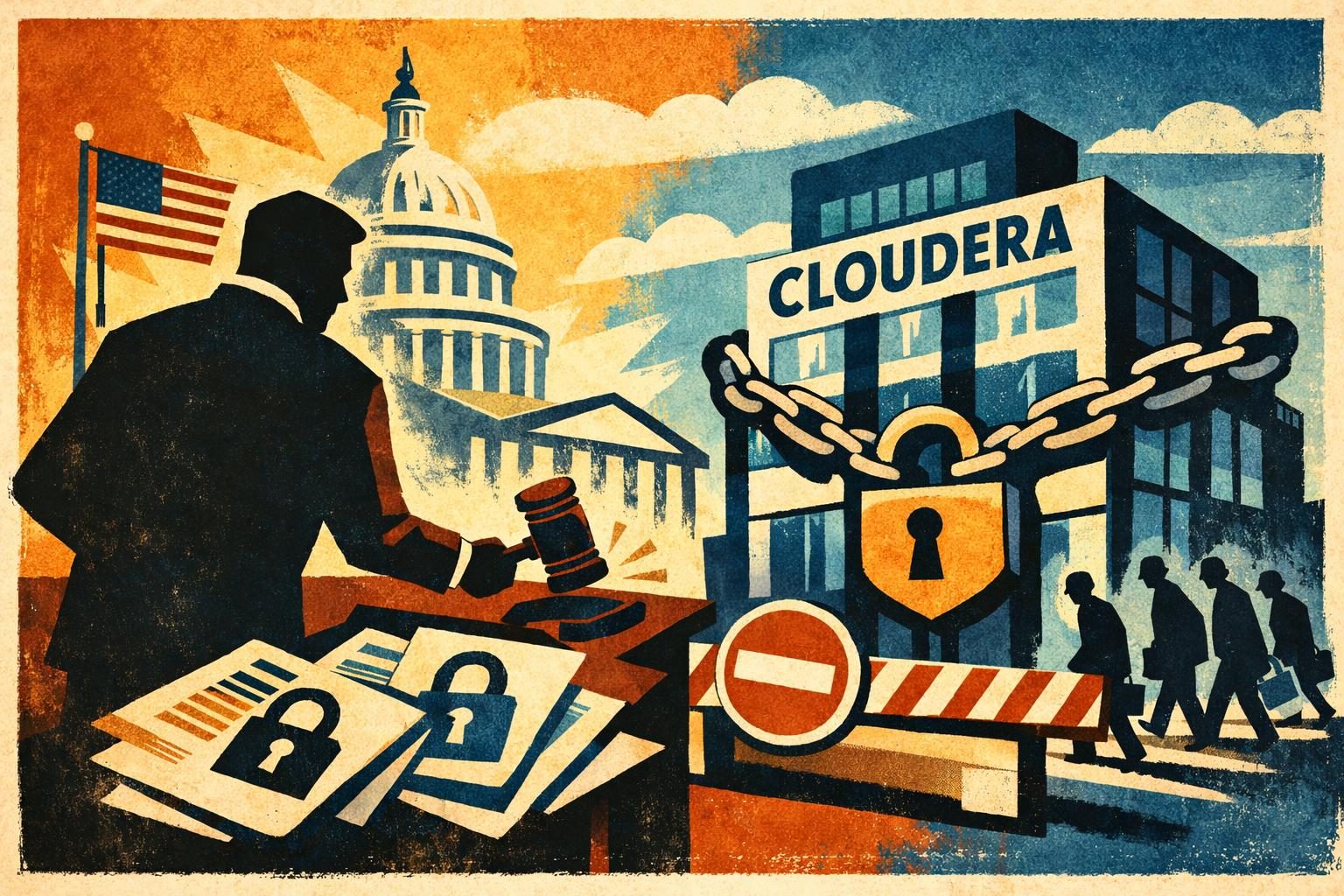
The Labor Department said on August 16 that it had taken an enforcement action against Cloudera Inc. and would suspend processing of the company’s permanent labor certification applications for 180 days, a move that puts a direct brake on one of the main pipelines companies use to bring in foreign workers. The agency said the action stemmed from allegations that Cloudera violated immigration and labor rules by discriminating against American workers in favor of foreign labor. On paper, that is not a routine paperwork glitch or a minor compliance dispute. It is the kind of accusation that cuts to the center of how a company hires, who gets considered, and whether the labor market is being treated as a genuine competition or a managed outcome.
The practical effect of the suspension matters just as much as the allegation itself. Permanent labor certification is a key step in the employment-based immigration process, and a 180-day pause can slow or stall hiring plans that depend on it. For a company with ongoing recruiting needs, that means the government is not merely issuing a warning and moving on; it is interrupting the process in a way that can have immediate business consequences. That makes the action more than symbolic, even if it does not amount to a court finding or a final determination of liability. The department is signaling that it believes there is enough concern to justify an active intervention, and that signal will be heard well beyond this one company.
The broader political significance is hard to miss. The administration has been leaning on labor enforcement as part of a larger argument that it is defending domestic workers, not just policing borders or visa paperwork. That framing gives the government a way to talk about immigration in the language of jobs, wages, and fairness rather than only legality and enforcement. It also lets officials cast companies as potentially gaming the system if they appear to favor foreign labor while shutting out Americans. For advocates of stronger worker protections, cases like this are useful because they suggest the problem may begin long before anyone crosses a border or receives a visa, inside the recruiting systems that decide who gets a fair shot at an opening in the first place.
Still, the limits of the announcement matter too. The enforcement action is serious, but it is not the same as a judicial finding, and the company has not been adjudicated liable by a court in the notice itself. That leaves room for dispute over the facts, the legal theory, and how broad the alleged misconduct really is. Even so, the government’s decision is concrete, immediate, and potentially influential. Other employers watching the case will understand that hiring practices which look neutral on paper may draw scrutiny if regulators believe they operate as a barrier to American workers. If the department follows through with similar actions elsewhere, this could become part of a broader crackdown on labor-certification abuses; if not, it may end up as another tough enforcement announcement that sounded bigger than the eventual result. For now, the message is clear enough: the government wants companies to know that labor and immigration compliance are being treated as overlapping fronts in the same fight.
Comments
Threaded replies, voting, and reports are live. New users still go through screening on their first approved comments.
Log in to comment
No comments yet. Be the first reasonably on-topic person here.