
Justice Department says California women’s prisons violate the Constitution
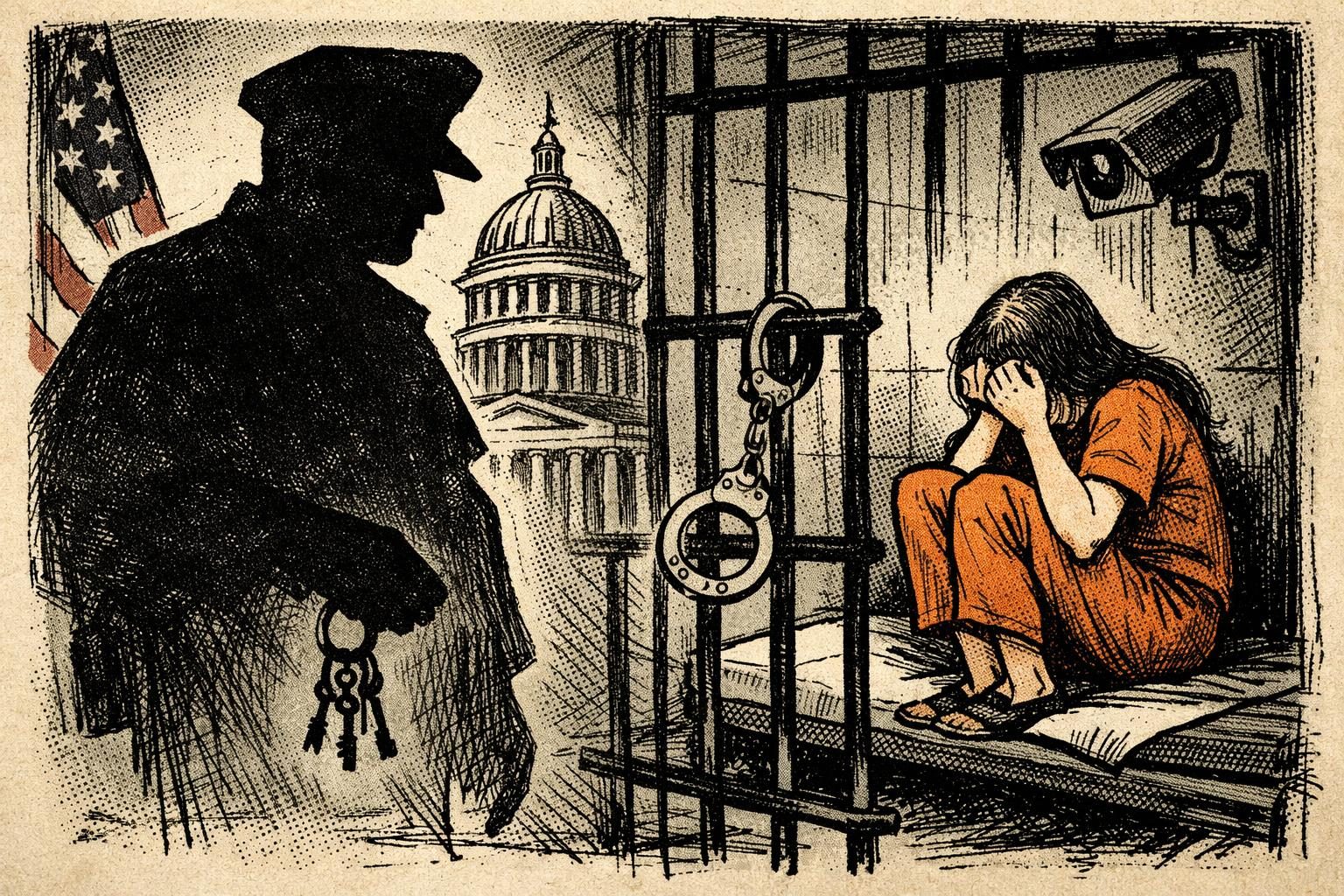
The Justice Department said on August 18 that California’s women’s prisons are violating the Constitution because the state has failed to protect incarcerated women from sexual abuse by staff. That is not the kind of finding that can be brushed off as a bad week or a handful of isolated complaints. It is a formal federal judgment that the system itself may be broken in a way that implicates civil rights, institutional oversight, and the state’s basic duty of care. In plain terms, the allegation is not merely that individual employees behaved badly, but that the prison structure allowed abuse to occur and persist. For California corrections officials, that puts the problem squarely in the category of crisis rather than routine misconduct.
The significance of the announcement lies partly in what a constitutional violation means in practice. When the federal government says a prison system has crossed that line, it is signaling that the issue can no longer be treated as an internal personnel matter or a public-relations headache. A finding like this can open the door to litigation, outside monitoring, court-ordered reforms, and potentially expensive changes to staffing, supervision, reporting procedures, and discipline. It can also intensify scrutiny of whether complaints were ignored, whether warning signs were missed, and whether the state’s existing safeguards were enough to begin with. Even if California disputes the scope or framing of the finding, the pressure now shifts toward proving that meaningful protections are in place, because the burden of explanation has become much heavier.
The underlying concern is straightforward and grim: women in state custody are supposed to be protected from sexual exploitation by the very people assigned to supervise them. When that protection fails, the harm is not just personal but systemic, because prisoners cannot simply walk away from abusive conditions or choose a different provider. Staff misconduct in a prison setting also carries an added layer of coercion, given the imbalance of power between officers and incarcerated people. That makes allegations of abuse especially serious, and it makes institutional indifference even more damaging. A corrections system that cannot prevent this kind of abuse is failing one of its most basic obligations, and the federal finding suggests California may now have to reckon publicly with how deep that failure runs.
The state will likely face immediate questions about who knew what, when they knew it, and what they did with that information. That includes whether women prisoners had safe ways to report abuse, whether complaints were investigated promptly and credibly, and whether repeat problems were allowed to continue because the system lacked accountability. It also raises the broader issue of whether California’s prison leadership has enough control over facilities that are supposed to be secure but can become sites of predation instead. Officials will probably try to frame the response around reforms, compliance, and ongoing reviews, because that is the language institutions use when they are trying to limit legal exposure and public damage at the same time. But the federal finding gives the issue a new seriousness, and it is now harder for the state to treat the abuse as anything less than an institutional emergency.
Comments
Threaded replies, voting, and reports are live. New users still go through screening on their first approved comments.
Log in to comment
No comments yet. Be the first reasonably on-topic person here.