
Justice Department issues new fraud-enforcement memo, signaling a sharper internal push
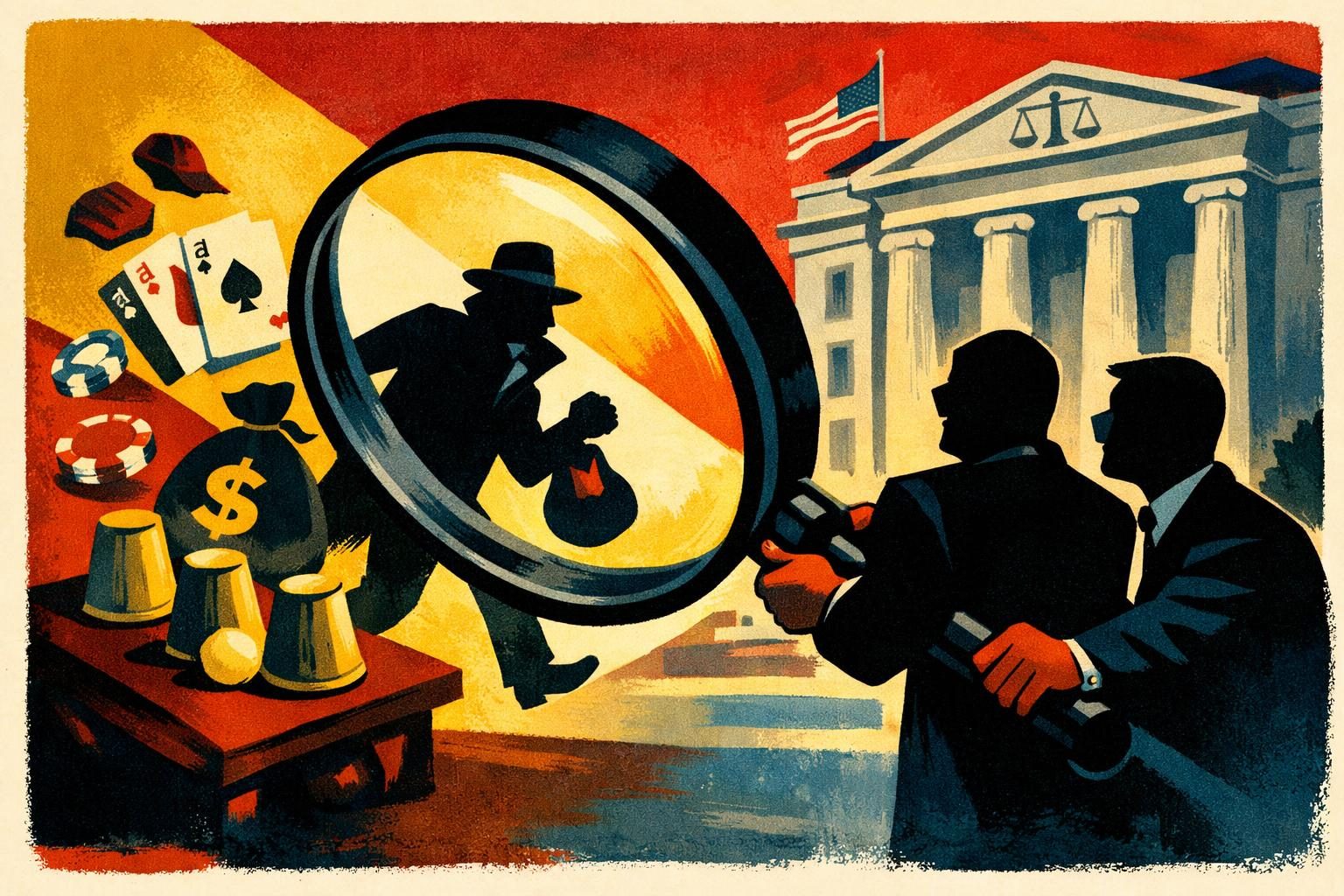
The Justice Department’s latest fraud-enforcement memorandum is the sort of internal document that rarely generates a public splash on its own, but it can matter a great deal in practice. Released on August 13, the guidance sets priorities for the department’s National Fraud Enforcement Division and offers a clearer view of where prosecutors expect to spend their time and political capital. That makes it more than a housekeeping update. In federal law enforcement, priorities are policy in motion, and the memo signals that fraud enforcement is being organized in a way that could make the department more pointed, more coordinated, and possibly more aggressive. For agencies, contractors, nonprofits, lenders, and public officials, the message is simple enough: the government is telling the public what it intends to watch more closely.
That kind of shift is important because fraud enforcement is rarely just about one statute or one kind of misconduct. It can reach procurement abuse, grant fraud, tax schemes, false claims, financial misrepresentations, and a wide range of conduct that touches taxpayer money or government programs. When the Justice Department narrows or expands its focus, it changes the practical odds of whether suspicious conduct becomes a real case. Investigators get more latitude to concentrate on certain allegations, line attorneys get a clearer mandate, and outside lawyers start advising clients differently. Even the possibility of a tougher enforcement climate can affect settlement strategy, disclosure decisions, and document retention practices. In other words, a memo may not be a filed complaint, but it can set off a chain reaction that changes behavior long before any indictment arrives.
The department’s own framing emphasizes restoring confidence in the government’s ability to manage and safeguard taxpayer dollars, a theme that fits neatly with broader claims about accountability and cleaning up waste. That language is unsurprising, and it is also strategically useful. Fraud enforcement is one of those areas where almost any administration can claim the moral high ground, because the public generally supports punishing people who steal from programs or abuse public funds. The harder question is whether the enforcement push is evenhanded or selective. If the department is serious about a more disciplined fraud agenda, the proof will eventually show up in charging decisions, civil filings, plea agreements, and settlement terms. If it is mostly a rhetorical reset, the memo will fade into the background after a few weeks of attention. Right now, the document sits in the more interesting middle ground: specific enough to signal intent, but not yet specific enough to prove how far the department will go.
That uncertainty is why the memo is worth watching even though it is not dramatic in the way a courtroom defeat or a major fraud indictment would be. Federal agencies often telegraph their priorities before the public sees the results, and this appears to be one of those moments. Companies and institutions that deal with federal money tend to read these signals carefully because they know what comes next can be subpoenas, audits, referrals, or pressure to self-report. Public officials and contractors may hear the memo as a warning that the department wants to move faster or more deliberately against suspicious schemes, especially where taxpayer dollars are involved. At the same time, the usual caution applies: a stated priority does not guarantee consistent enforcement, and there is always a difference between ambitious rhetoric and the day-to-day reality of bringing complex fraud cases. Still, the release of the memorandum is a concrete institutional move, and it suggests the Justice Department is trying to shape its fraud docket rather than merely react to whatever lands on its desk. For now, that makes it one of the more consequential federal-policy developments in the current cycle, even if it lacks the drama of a headline-grabbing prosecution.
Comments
Threaded replies, voting, and reports are live. New users still go through screening on their first approved comments.
Log in to comment
No comments yet. Be the first reasonably on-topic person here.