
New York and allies sue again to stop Trump’s latest tariffs, because apparently the legal system is the only thing standing between Americans and another tax hike
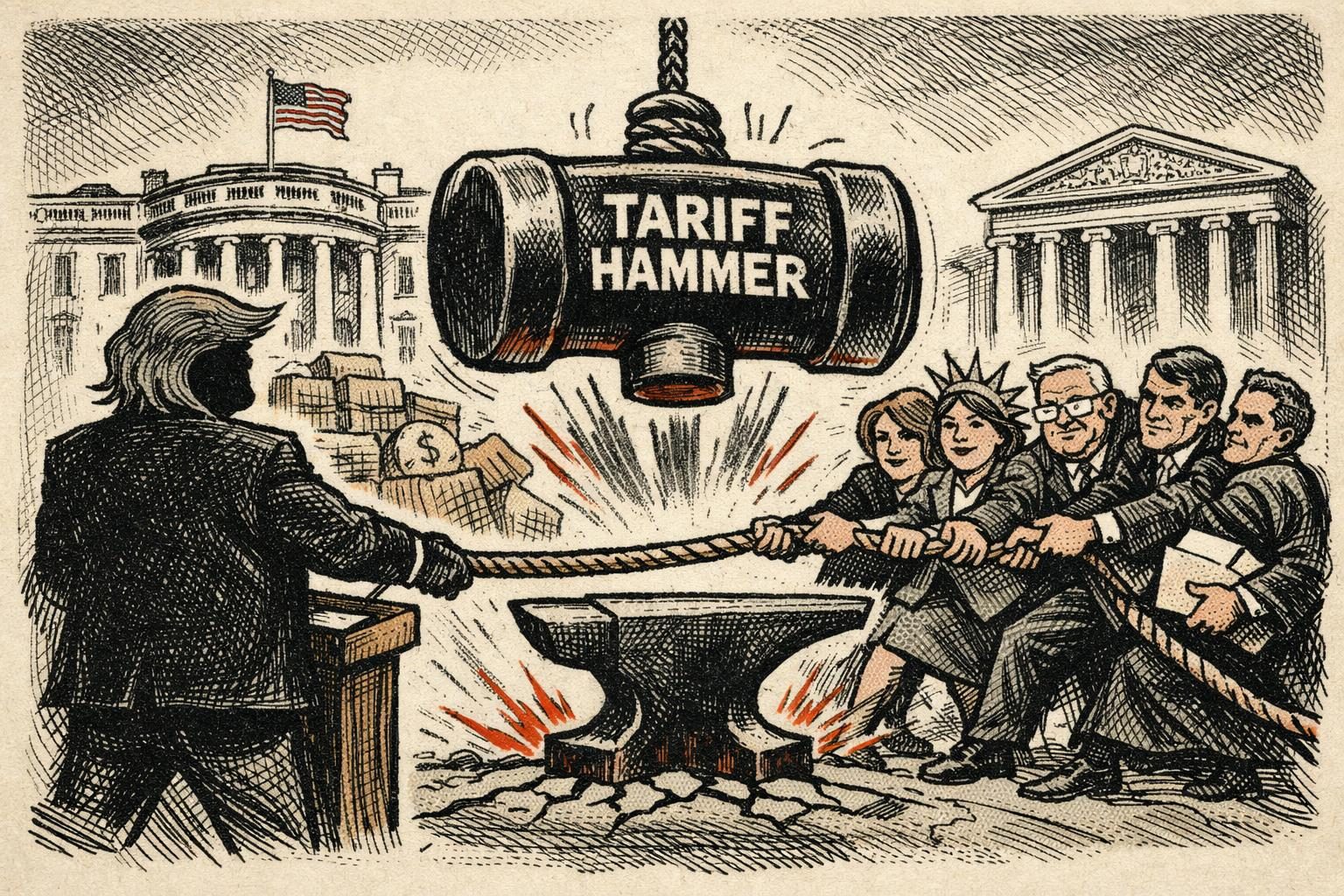
New York Attorney General Letitia James and Governor Kathy Hochul said on Aug. 18 that they are joining a new multistate lawsuit aimed at blocking the Trump administration’s latest tariff push, setting up yet another courtroom fight over how far the White House can go in reshaping trade policy on its own. The complaint argues that the administration is attempting to bring back tariff authority after earlier efforts were checked by the courts, this time through a different legal theory that state officials say still does not give the president the power he is claiming. In practical terms, the case is about whether the federal government can keep using tariffs as a policy weapon even after judges have already made clear that past overreach was unlawful. The states framing the challenge say this is not a fresh trade strategy so much as a workaround designed to achieve the same result under a new label. That distinction matters because if the administration can swap legal justifications and keep moving, then a court ruling against one tariff scheme may not end the next one.
The lawsuit lands in the middle of a broader fight over who pays when Washington turns to tariffs, and state officials are making the argument in the bluntest terms possible: tariffs are taxes, and consumers usually eat the cost. New York and its allies say the latest duties are likely to push up prices for groceries, building materials, and everyday goods that businesses and households cannot easily avoid. That claim is not hard to understand, even if the precise impact will depend on how broadly the tariffs are applied and how companies respond. A surcharge on imported products does not stay neatly inside a trade memo; it moves through supply chains, invoices, and retail shelves. If businesses cannot absorb the added expense, they pass it along, which is why state leaders are presenting the case as an immediate pocketbook issue rather than a distant policy debate. The legal filing is therefore as much about economic pain as it is about statutory authority, and the two arguments reinforce one another.
The coalition backing the suit suggests that the challenge is not just a New York grievance, but a wider pushback from states that see the tariff effort as another example of executive branch overreach. Officials from both coasts and the interior are lining up behind the same basic complaint: the administration is trying to use trade powers in ways Congress never intended, and the real-world cost is being imposed on households and businesses that had no role in the decision. That kind of cross-country alliance matters because it signals that the political damage is not confined to one region or one industry. Tariffs can hit ports, farms, manufacturers, construction firms, retailers, and consumers in very different ways, which makes them an easy target for a broad legal coalition. The fact that so many states are willing to fight now also reflects how familiar this battle has become. Courts have already clipped earlier tariff overreach, and the new filing assumes that those limits should still mean something.
What happens next will depend on how the courts read the statute the administration is leaning on and whether judges see the latest tariff plan as meaningfully different from the earlier ones that were challenged. If the states win, the ruling would reinforce the idea that emergency-style trade authority cannot be stretched indefinitely to cover whatever the White House wants to do next. It would also put a sharper limit on the administration’s ability to frame tariffs as a flexible tool for domestic political ends. If the administration prevails, however, it could receive another signal that the legal system is willing to tolerate a surprisingly wide use of tariff power, even when opponents argue that Congress never handed over that kind of authority. Either way, the dispute is another reminder that trade policy is no longer just an economic story. It is a constitutional one, a separation-of-powers one, and, for anyone buying food or materials, a tax story dressed up as strategy. For now, the new lawsuit means the fight is headed back into court, where the next question is not whether the tariffs are unpopular, but whether they are lawful enough to survive another challenge.
Comments
Threaded replies, voting, and reports are live. New users still go through screening on their first approved comments.
Log in to comment
No comments yet. Be the first reasonably on-topic person here.