
White House pairs a beef push with a Canada tariff switch
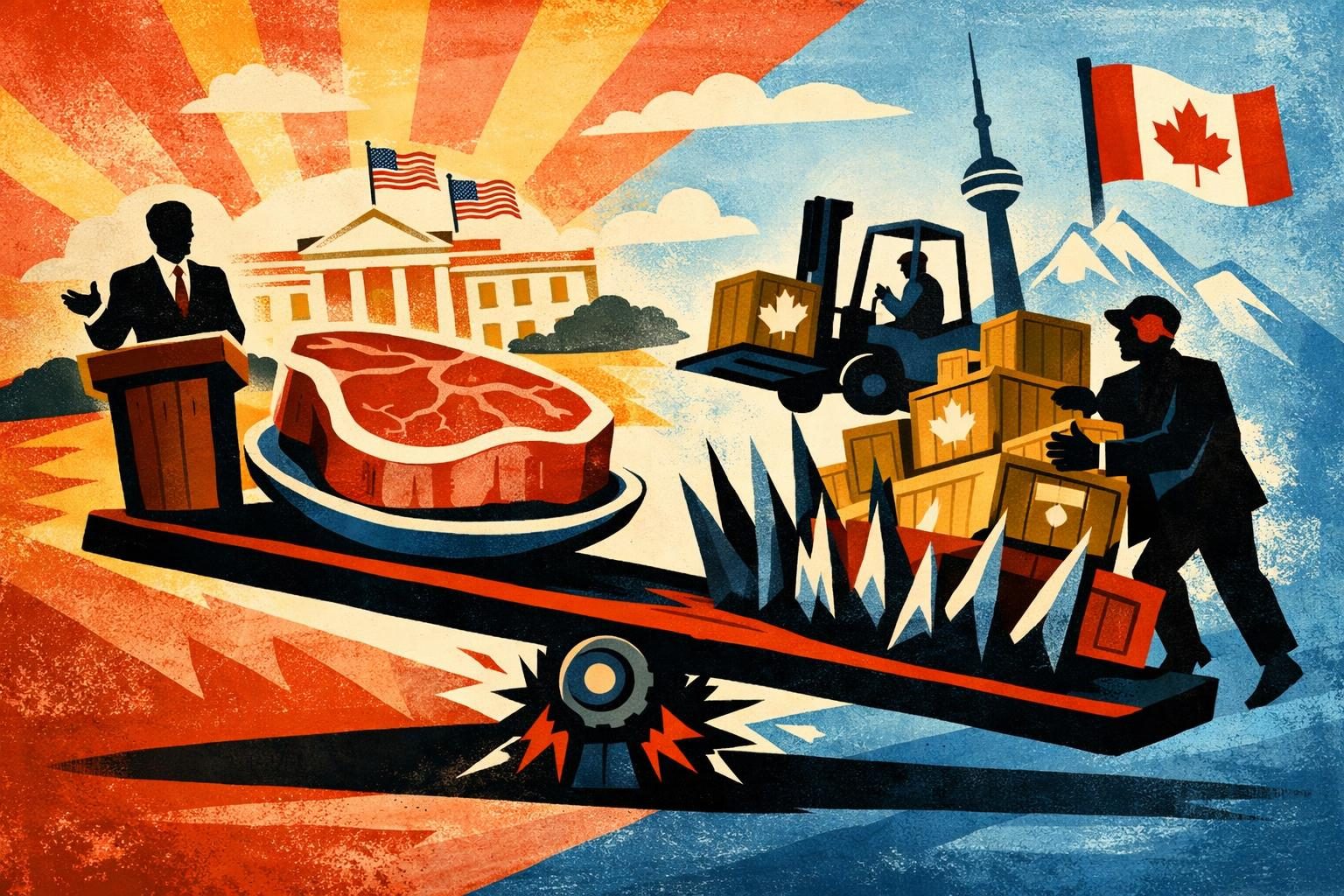
The White House spent August 26 trying to sell a beef message as an affordability move, but the policy trail matters more than the branding. That day’s action was a follow-on proclamation, not a stand-alone debut: it was titled “Further Ensuring Affordable Beef for the American Consumer” and built on the administration’s earlier February 6, 2026 beef proclamation. In a separate trade action, the White House had already published a temporary suspension of additional duties on August 18 aimed at Canadian barriers touching alcoholic beverages, dairy, and motor vehicles, with the suspension set to take effect on August 22. Taken together, the moves show an administration still leaning on tariff adjustments and duty suspensions as its preferred way to manage prices and pressure trading partners.
That matters because the timing changes the reading. If both steps are described as if they were launched together on August 26, the story gets the chronology wrong and makes the policy look more coordinated than it was. The beef action was a continuation of an existing push, and the Canada move was a separate order already on the books before the White House turned back to beef. The result is less a single new trade offensive than a series of linked interventions, each with its own legal basis and effective date.
The administration is still trying to frame those interventions as consumer relief. That is the political pitch, and it is an understandable one in a country where grocery prices remain a live issue. But tariffs and temporary suspensions are blunt tools. They can be used to reward or punish trading partners, and they can change incentives quickly, but they do not guarantee lower prices on their own. Businesses still have to plan around shifting duty rates, shifting effective dates, and the possibility that another proclamation will change the math again.
That leaves the White House with a familiar problem: it can announce that it is fighting for affordability, but it is doing so with a trade strategy built on exceptions, suspensions, and executive orders. Supporters can call that flexibility. Critics will call it instability. Either way, the hard part is unchanged. If the goal is cheaper beef and less friction with trading partners, the proof will come in pricing and supply chains, not in the title of the latest proclamation.
Comments
Threaded replies, voting, and reports are live. New users still go through screening on their first approved comments.
Log in to comment
No comments yet. Be the first reasonably on-topic person here.