
Justice Department launches a new fraud-hunting center and quietly admits the scam ecosystem is out of control
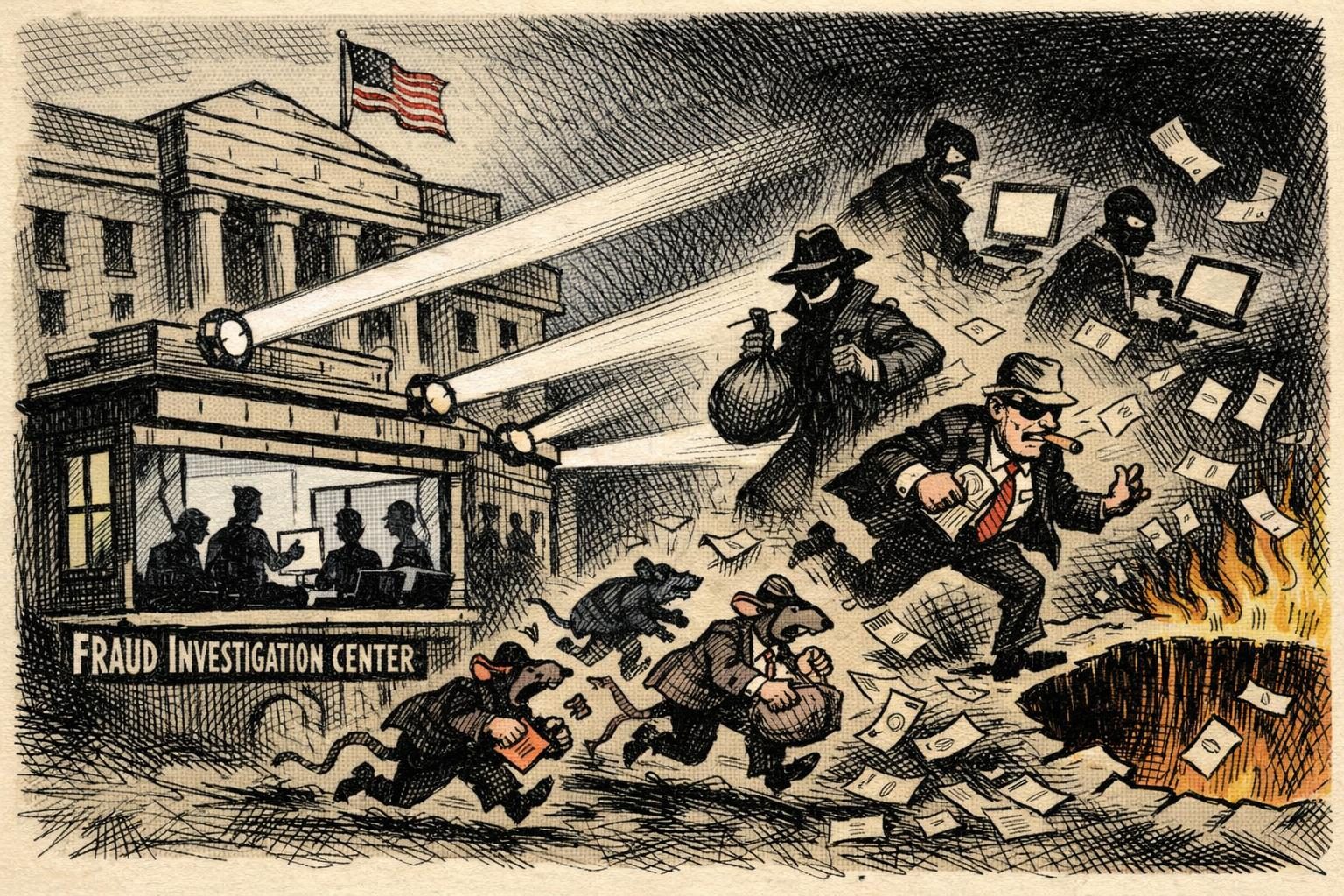
The Justice Department said on August 24 that it is creating a National Fraud Detection Center, a prosecutor-led hub meant to spot fraud patterns, generate leads, and help route cases across taxpayer-funded programs. On paper, that sounds like the sort of administrative upgrade that should have happened long ago. In practice, it reads like an acknowledgment that the fraud problem is no longer a collection of isolated scams but a sprawling ecosystem that demands a more permanent response. The department is not describing a minor housekeeping change. It is describing a shift toward centralized detection because the old, more reactive model appears to have been overwhelmed. That is a meaningful admission from an agency that normally prefers to frame itself as already in control. When a Justice Department rolls out a new fraud-hunting center, it is usually because the fraud landscape has become too large, too fast-moving, or too interconnected to manage case by case.
The center is designed to bring prosecutors together with analysts so they can identify suspicious activity earlier and develop criminal leads, including leads tied to actors overseas and schemes that move across multiple government programs. That detail matters because modern fraud rarely behaves like a simple one-off theft. The more serious cases now often look industrial, with organized groups testing weak points, shifting tactics, and jumping from one benefit stream to another whenever the first lane gets harder. In that environment, a standing analytic shop can matter as much as a courtroom win, because the first challenge is often simply seeing the shape of the scam before it has already drained the money. The department is clearly betting that better coordination will produce faster investigations and stronger cases. If the center does what its backers hope, it could help turn raw tips and messy data into coherent prosecution files. If it does not, then it will be one more federal acronym attached to a problem that continues to outrun the bureaucracy built to stop it.
The political meaning of the announcement is hard to ignore. Federal officials have spent years promising sharper stewardship of public money, better safeguards, and more disciplined oversight of taxpayer-funded programs. A new fraud-detection center is the kind of move that lets the government say it is investing in enforcement rather than just complaining about losses after the fact. But the need for such a center also underscores how much damage weak detection systems can do in the first place. Fraud does not only take money out of federal accounts; it can distort programs, slow legitimate claims, and undermine public confidence in the agencies that are supposed to protect those funds. That is why the announcement has a built-in tension. It is both an effort to fix a problem and a quiet concession that the problem has been allowed to grow large enough to require a new command post. For critics of government dysfunction, that may sound like another example of the state moving only after the damage has already compounded. For defenders of stronger enforcement, it is at least a recognition that the old approach was not enough and that anti-fraud work needs more structure, more data, and more persistence.
What happens next will tell the real story. The useful version of this center will be measured in visible cases, coordinated prosecutions, recovered money, and fraud networks that find the federal system harder to game. The less useful version will produce polished announcements, internal meetings, and a comforting sense that something is being done without changing the underlying loss rate very much. That distinction is important because anti-fraud efforts are easy to brand and harder to prove. A center can be launched in a day, but building one that can reliably identify schemes, prioritize the right targets, and support meaningful prosecutions takes time, staff, access to data, and institutional discipline. The Justice Department says the center will focus on identifying leads and supporting criminal enforcement across program lines, which suggests it knows the challenge is broad rather than narrow. The deeper question is whether the new structure will be given enough authority and enough operational muscle to matter. If it is, the department may finally have a more effective way to chase the fraudsters who have been moving faster than the system. If it is not, the launch will stand as another reminder that even when Washington admits the scam economy is out of control, admission alone does not stop the losses.
Comments
Threaded replies, voting, and reports are live. New users still go through screening on their first approved comments.
Log in to comment
No comments yet. Be the first reasonably on-topic person here.