
New York rallies against the fight over its 287(g) ban
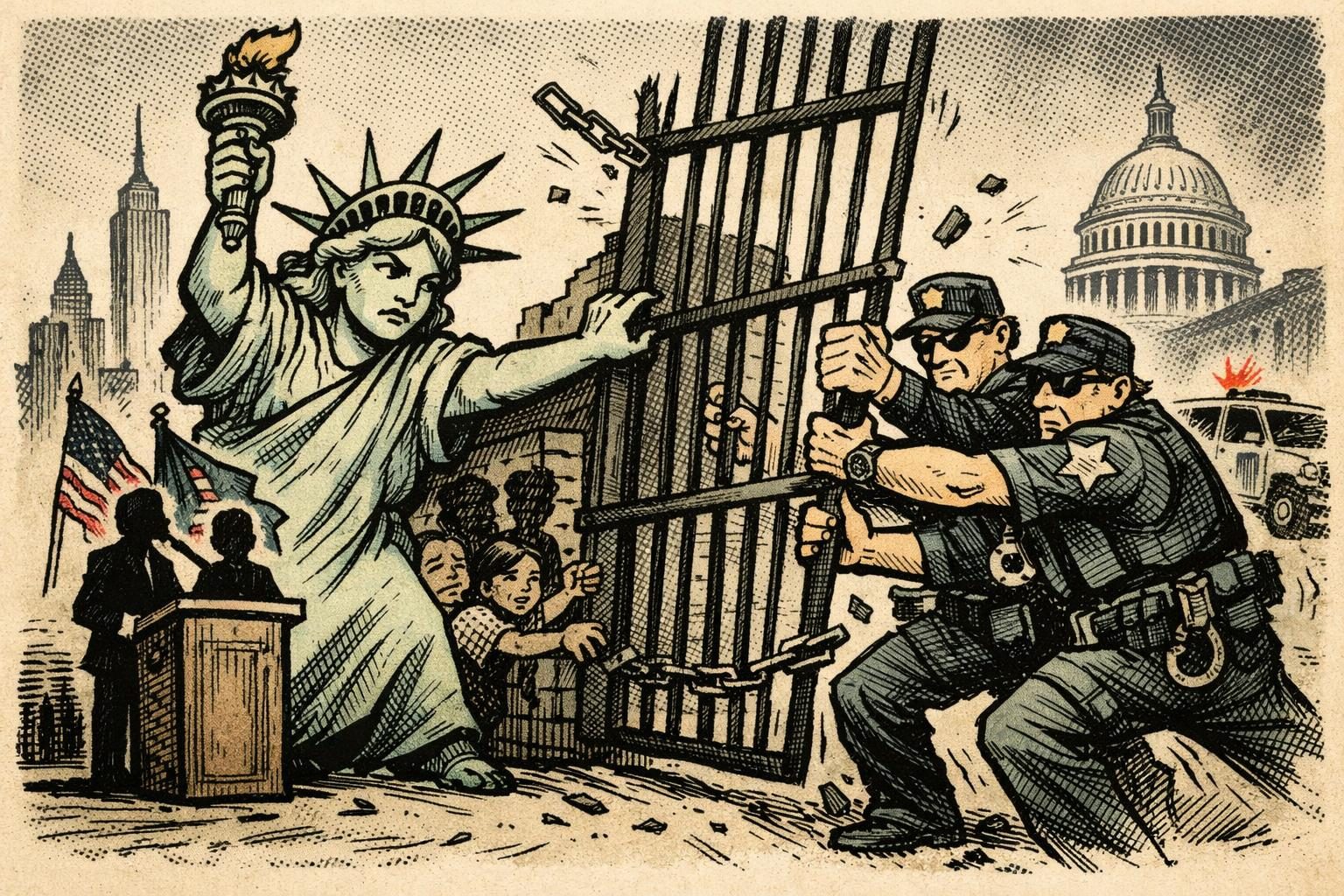
New York’s fight over local immigration enforcement is back in the spotlight after Attorney General Letitia James and Governor Kathy Hochul issued a fresh defense of the state’s ban on 287(g) agreements. The state’s latest statement, released on August 24, comes in response to litigation challenging the law and underscores that the dispute is far from a routine procedural skirmish. At issue are agreements that allow local agencies to take on federal immigration enforcement powers, a role that critics say can blur the line between ordinary policing and immigration policing. Supporters of New York’s ban argue that the state has every right to refuse that kind of deputization. Opponents say the restriction interferes with cooperation that they view as necessary to federal immigration enforcement.
The legal fight sits at the center of a much larger political argument about what local police are for, and what they should be asked to do. In the state’s view, the challenge to the ban is part of a broader push to force local agencies into immigration work they do not want and, in many cases, cannot responsibly carry out. That argument reflects a familiar tension in states that have tried to draw a clearer line between community policing and federal immigration priorities. Local officers, the state contends, should be focused on public safety, not turned into immigration agents during traffic stops, jail bookings, or other routine encounters. The opposing side sees the ban as an obstacle to federal law enforcement and argues that limiting local cooperation makes it harder to identify, detain, or remove people who are subject to immigration action.
What makes 287(g) agreements such a persistent flashpoint is that they sit at the intersection of law, politics, and day-to-day policing. Supporters of these agreements say they give federal authorities more reach and can help coordinate detention and transfer decisions. Critics counter that the programs can create fear in immigrant communities, discourage cooperation with police, and transform local encounters into opportunities for immigration enforcement. New York’s position reflects the view that those consequences are not abstract, but practical and immediate. If local departments start acting as extensions of federal immigration authorities, the state argues, the result is a shift in how residents experience police power. The debate is therefore not just about legal authority, but about the kind of relationship state leaders want between immigrant communities and local law enforcement.
The latest response from James and Hochul also shows how these disputes tend to become long-running court battles rather than quick political resolutions. Each new filing or statement becomes another round in a larger conflict over state sovereignty, federal enforcement, and the limits of local cooperation. The immediate effect is more litigation, more briefing, and more pressure on both sides to keep spending time and money on a question that remains politically combustible. The broader effect is that immigration enforcement continues to move from the realm of campaign rhetoric into the courts, where the outcome is likely to be shaped by statutory interpretation, administrative power, and the willingness of judges to let states set boundaries on local participation. However that unfolds, New York’s ban has now become more than a policy preference. It is a test case for how far a state can go in refusing to let local police become part of the federal immigration apparatus.
Comments
Threaded replies, voting, and reports are live. New users still go through screening on their first approved comments.
Log in to comment
No comments yet. Be the first reasonably on-topic person here.