
Deloitte agrees to $21.5 million settlement over alleged discrimination fraud
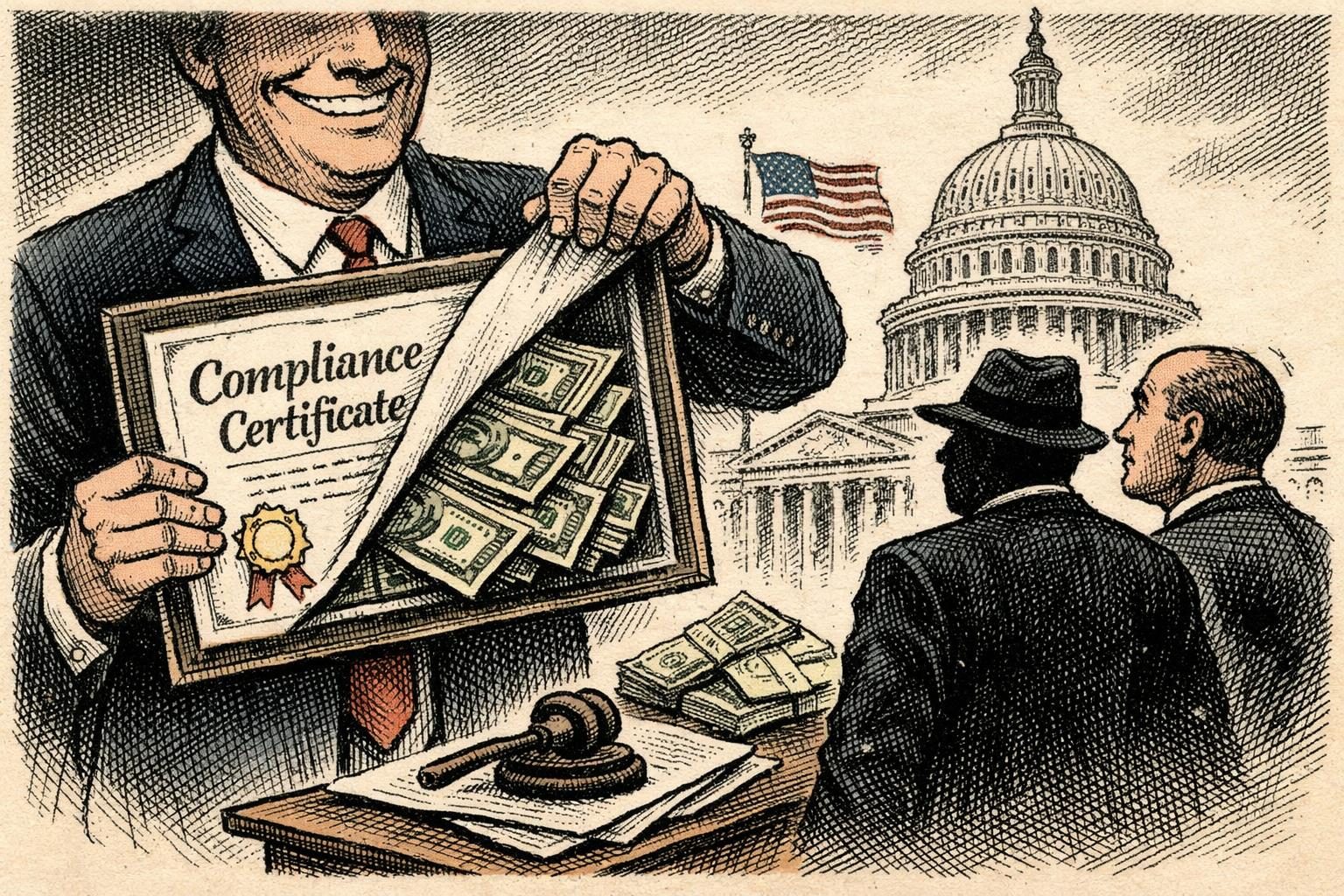
The Justice Department said on August 25, 2026, that Deloitte agreed to pay $21.5 million to resolve allegations tied to employment discrimination and false claims, a deal that puts civil-rights compliance squarely into the language of fraud. According to the government, the company misrepresented its compliance with federal anti-discrimination law while seeking federal money, making the issue larger than a routine workplace dispute or an internal human resources review. The settlement, as described by federal officials, is built on the theory that Deloitte’s own representations to the government were false enough to create liability under the False Claims Act. That is a much sharper legal posture than simply accusing a contractor of sloppy personnel practices. It suggests that the paperwork companies submit to win or keep public business can become the center of the case itself, not just background noise.
What gives the matter broader significance is the way it blends civil-rights enforcement with fraud enforcement. In practical terms, the government is saying that discrimination is not only a matter of fairness or employee relations when federal funds are involved, but also a potential fraud on taxpayers if a contractor certifies compliance it does not actually meet. That approach turns compliance statements, diversity policies, and hiring certifications into more than public-facing branding exercises. It makes them legally consequential promises that can carry financial penalties if they are found to be inaccurate. For federal contractors, the message is difficult to miss: if you say you complied, regulators may later ask for proof, not slogans. For workers, especially those who believe recruitment and hiring systems are being gamed behind polished compliance language, the settlement offers a rare example of those claims translating into a real monetary consequence.
The case also fits into a larger enforcement environment in which federal officials have shown a willingness to treat discrimination and fraud as overlapping problems when public money is on the line. That creates a powerful tool for prosecutors, because the False Claims Act lets the government pursue damages and penalties based on allegedly false certifications rather than waiting for a traditional civil-rights case to unfold in isolation. Supporters of that approach will argue it is long overdue, since some contractors have long benefited from vague assurances about equal opportunity while quietly screening out certain workers or manipulating recruitment processes. Critics are likely to say the line between unlawful discrimination and imperfect but defensible hiring practices can be hard to draw, and that aggressive enforcement could chill ordinary business decisions or invite litigation over every staffing choice. Both views capture part of the tension here, but the settlement itself shows where the government currently wants to draw the line: if compliance is promised to secure federal funds, the promise is not decorative.
The immediate impact may be felt less in one company’s balance sheet than in the way other contractors read the warning. Compliance teams, legal departments, and executive leadership at firms that do business with the government are likely to see this as another reminder that certifications, training records, internal audits, and hiring documentation are not just administrative clutter. They are evidence that may be examined later if a whistleblower, investigator, or prosecutor decides the company’s public assurances did not match reality. The broader political backdrop matters too, because the Trump administration has made discrimination claims against contractors part of its enforcement posture, even as it attacks other civil-rights frameworks it dislikes. That contradiction is hard to ignore: tough rhetoric about discrimination on one hand, selective pressure on the legal architecture of civil rights on the other. What remains is the practical effect. Federal contractors now have one more reason to assume that the bill for compliance shortcuts, if there were any, may arrive years later and with a much larger price tag than the original paperwork ever suggested.
Comments
Threaded replies, voting, and reports are live. New users still go through screening on their first approved comments.
Log in to comment
No comments yet. Be the first reasonably on-topic person here.