
Justice Department Puts Poll Monitors in South Carolina, Selling It as Transparency While the Voting Wars Keep Escalating
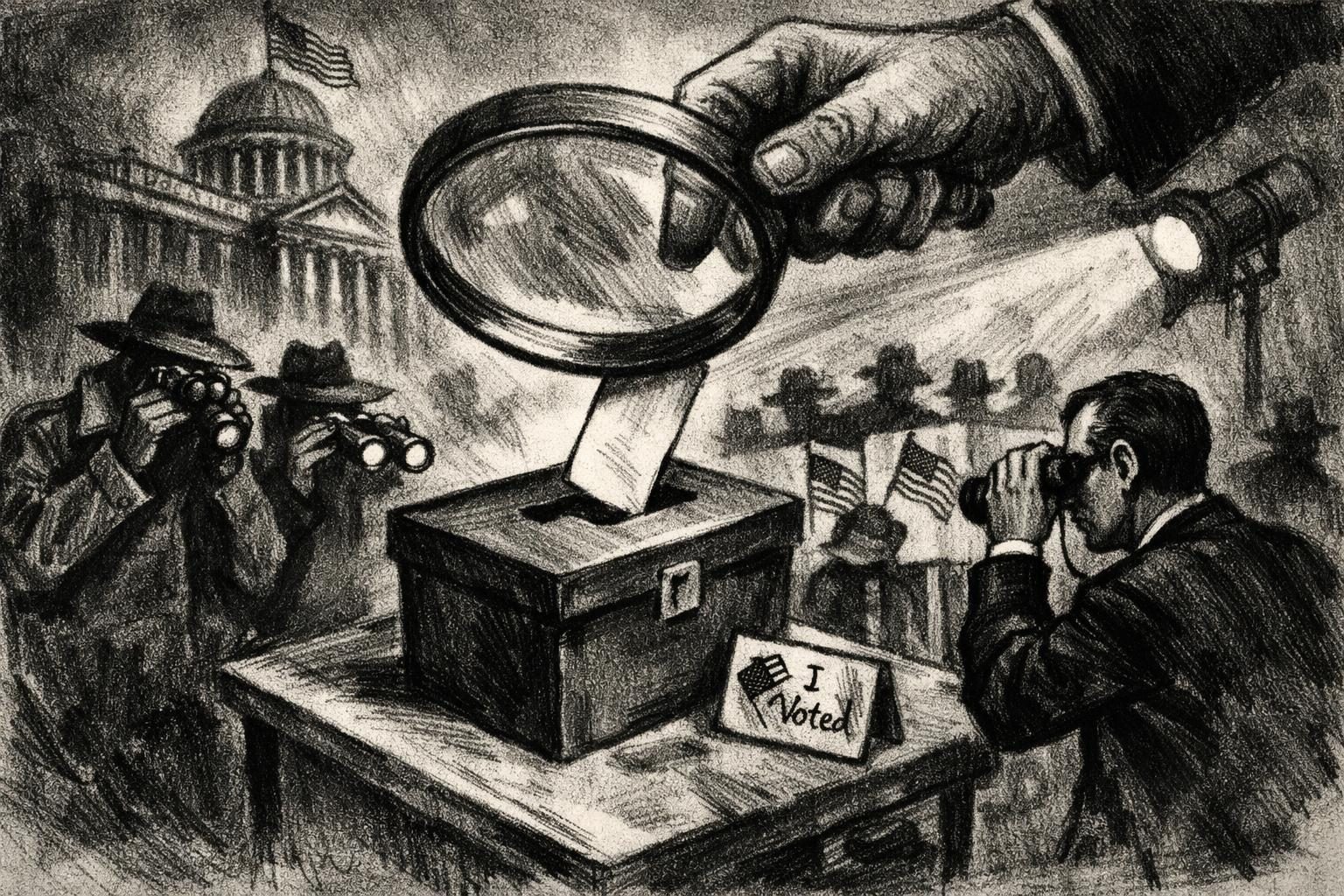
The Justice Department said Tuesday that it will monitor polling sites in South Carolina’s primary runoff election, sending Civil Rights Division staff into Charleston County as part of what it is presenting as a straightforward voting-rights enforcement effort. According to the department, four attorneys, one assistant U.S. attorney, and one additional staff member have been assigned to the county to oversee compliance with federal election law and to respond to questions or complaints that may come in during the voting period. The department framed the move as a transparency measure meant to support ballot security and improve communication between election observers and officials. It is also part of a larger monitoring push that the department says has already extended to seven states and more than 200 polling locations this season. That framing matters because the same federal presence that is supposed to reassure voters can just as easily become the kind of thing people interpret through their own political suspicions.
On paper, this looks like the sort of routine civil-rights activity the Justice Department has long claimed authority to carry out. Federal officials monitor elections, collect information, and keep an eye out for practices that might interfere with the right to vote. The problem is that election monitoring no longer lands in a neutral environment, if it ever truly did. In a climate shaped by years of fights over voting access, election administration, and the meaning of “integrity,” any federal footprint at polling places is likely to be read in competing ways. Supporters of the deployment will say it shows the government is paying attention and willing to respond if there are problems. Skeptics, especially those already wary of how election disputes get politicized, will see a federal agency placing itself directly inside a process that is supposed to belong to local officials and voters. The department says its personnel are available through the general election cycle to receive voting-rights complaints, but the broader significance is less about the mechanics than about the message: Washington is here, and it wants to be seen.
That message is not landing in a vacuum. The broader voting environment has become more tense, not less, and the idea of a federal monitor now comes with a built-in argument over whether it is protecting the process or trying to shape the narrative around it. South Carolina’s runoff is only one piece of a wider pattern in which election officials, political activists, and federal lawyers all claim to be guarding the system, while each side accuses the others of overreach. The Justice Department says the current effort is part of a broader campaign across multiple states, and that it has already deployed more than 80 monitors this primary season. That suggests a standing operation rather than a one-day presence, which is important because permanent-looking temporary measures tend to create their own expectations. Once the government starts showing up regularly at polling sites, the presence itself becomes part of the political atmosphere, whether or not any actual dispute arises. For some voters, that can be reassuring. For others, it can feel like the election is being treated less as a civic exercise than as a scene requiring surveillance.
The practical questions are the ones that will determine whether this is seen as a success or another source of friction. Election officials generally want clear lines about who is doing what, while voters mostly want to cast ballots without feeling watched or directed. The administration, for its part, has an interest in showing that it is taking election protection seriously, especially in a period when every move around voting tends to be decoded for partisan intent. That creates an awkward dynamic: the same federal presence that is supposed to reduce uncertainty can increase it if people are unsure how broadly it will be used or how aggressively it will be interpreted. The department’s description of the deployment as a transparency and security effort may be technically accurate, but the political meaning depends on how it is experienced at the ground level. If the process is quiet, orderly, and largely invisible to most voters, the government will call that proof the system works. If there are complaints, confusion, or accusations of favoritism, the monitoring itself could become part of the fight. Either way, the fact that this is now a story at all says something about the brittle state of trust around elections. In an ideal world, monitors would be boring and unnoticed. In this one, they arrive carrying the weight of every recent argument about power, access, and who gets to define fairness at the ballot box.
Comments
Threaded replies, voting, and reports are live. New users still go through screening on their first approved comments.
Log in to comment
No comments yet. Be the first reasonably on-topic person here.