
Justice Department clears the way for a Montana forest project
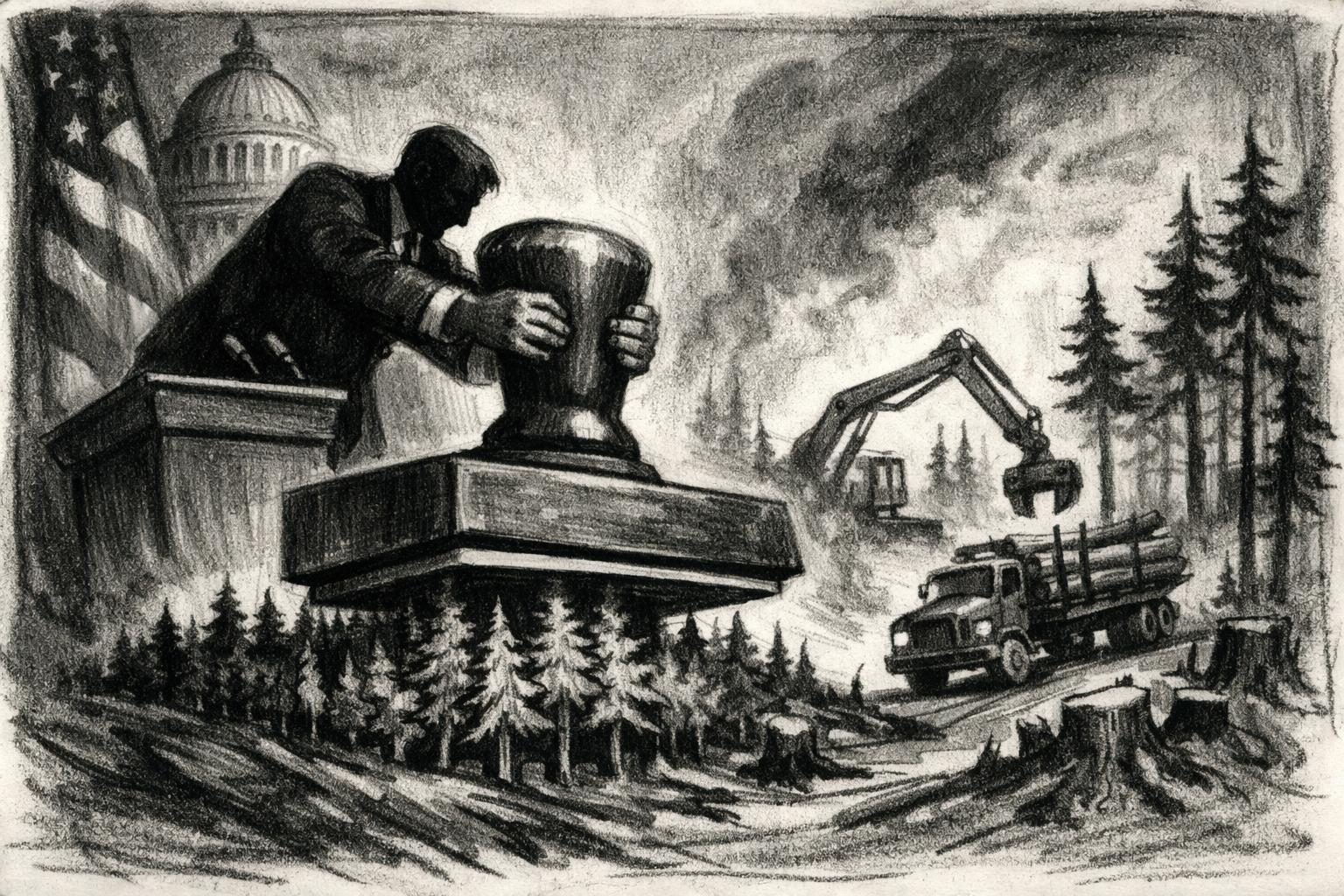
The Justice Department said on August 25 that a Montana forest management project can move ahead after a court decision removed a legal obstacle, giving the federal government a fresh win in one of its recurring battles over land use. The announcement is another example of the administration leaning on litigation victories to push resource decisions forward, and it fits neatly into a broader pattern of treating court rulings as a practical tool for moving policy instead of as the end point of a dispute. In simple terms, the government got the clearance it wanted, while opponents were left with fewer immediate options to slow the project down. That does not end the argument, but it does shift the balance toward implementation. For the moment, the administration can point to the ruling as proof that its approach to federal land management is holding up under legal pressure.
The stakes in a forest project like this go well beyond the trees themselves, which is why these fights often become so bitter and so slow. Forest management decisions can touch wildfire mitigation, timber production, wildlife habitat, road access, watershed concerns, and the larger question of how aggressively the federal government should intervene on public land. Supporters of projects like this usually argue that active management is overdue, especially in places where drought, pests, and fire risk have made inaction look increasingly expensive. Critics counter that the word “management” can be used as cover for cutting, thinning, and commercial extraction that put ecosystems at risk while dressing up the policy in the language of safety. The court-backed clearance means those arguments are no longer theoretical. Machinery, contracts, schedules, and field work can now move from planning toward action while the legal and political debate tries to catch up.
That is why this ruling matters in the broader fight over federal land policy. The administration has consistently signaled that it wants to move faster than opponents would prefer, and it has shown little interest in treating every challenge as a reason to pause indefinitely. From its perspective, repeated lawsuits can become a form of obstruction, turning environmental review into a permanent brake on any project that might alter the landscape. From the other side, speed is exactly the problem, because once work begins, some of the harm opponents fear may already be done before a case is fully resolved. The Justice Department’s announcement suggests it sees the ruling as a correction to delay rather than a controversy demanding retreat. That framing matters because it tells both supporters and critics how the government wants this fight understood: not as a policy failure, but as a legal victory that validates its approach.
What happens next will depend on whether opponents keep pressing the issue through new litigation, administrative challenges, or public pressure campaigns. Forest projects often move on multiple tracks at once, and even a court win does not guarantee a smooth path if other permits, operational details, or local disputes remain unresolved. If the project proceeds without further interruption, it may become one more quietly consequential federal action that alters conditions on the ground long before most people outside the region notice. If it triggers more court fights, it could turn into another example of how the administration is trying to use the judicial system to muscle through its land-use agenda. Either way, the decision gives the federal side an immediate advantage and leaves opponents in a defensive posture. For now, the government can say the project survived legal review, and that is often enough to keep the work moving while everyone else scrambles to respond.
Comments
Threaded replies, voting, and reports are live. New users still go through screening on their first approved comments.
Log in to comment
No comments yet. Be the first reasonably on-topic person here.