
Justice Department sues Ohio court over its obstruction of federal law enforcement
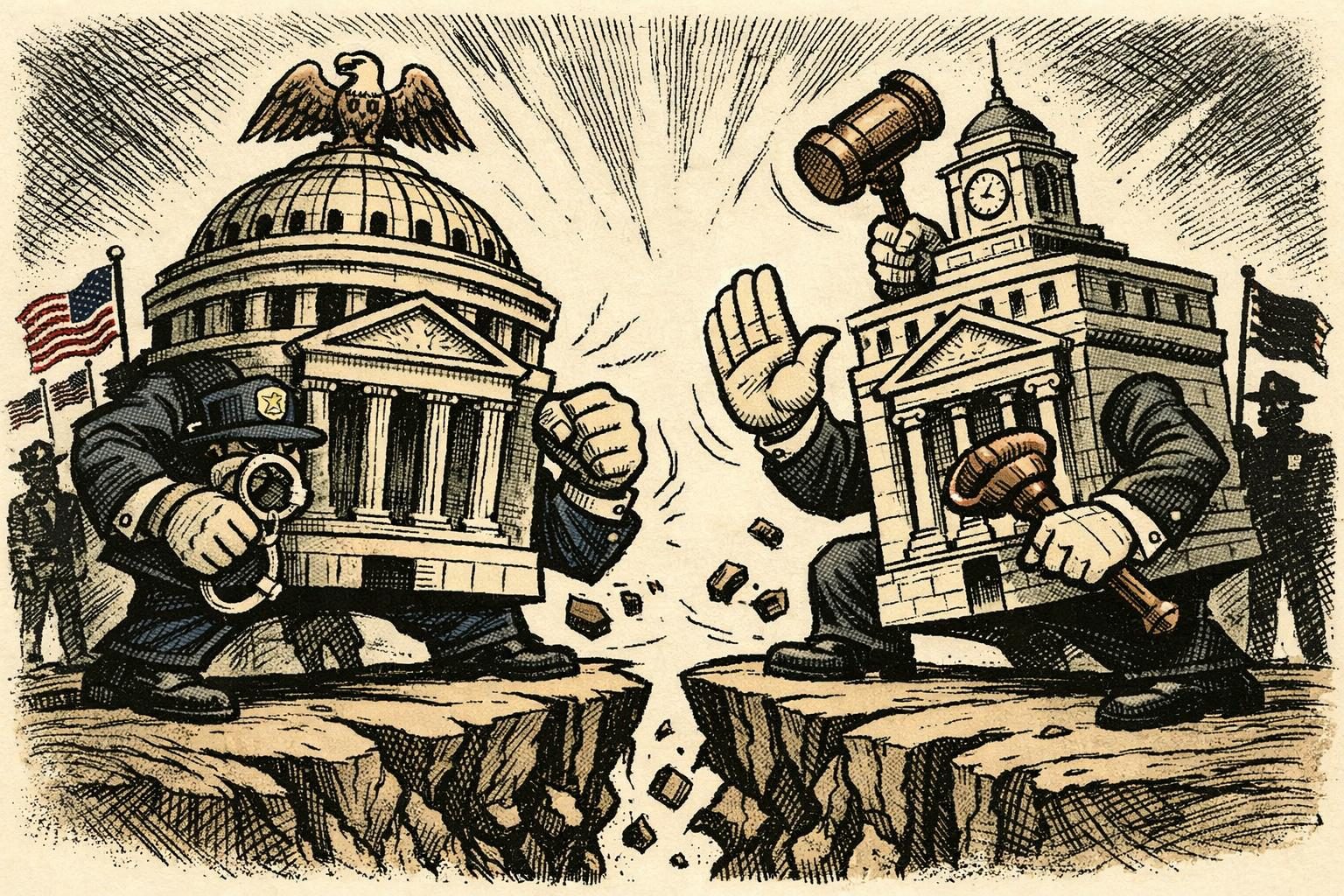
The Justice Department has taken its fight with local government into a new phase, filing suit on August 25 against the Franklin County Municipal Court in Columbus, Ohio, as well as court officials and local authorities it says have crossed the line from ordinary friction into unlawful obstruction. At the center of the case is a claim that local practices are interfering with federal law enforcement activity and making cooperation harder than the law allows. The filing turns what might otherwise have remained a bureaucratic dispute into a formal courtroom battle over the limits of federal power and the obligations of local institutions. In practical terms, it means the administration is no longer content to complain about resistance; it wants a judge to order compliance. The case is another sign that Washington is willing to push local conflicts into federal litigation when it believes public safety and federal authority are being compromised.
The lawsuit matters because it is not just about one court in one county, but about the broader question of who gets to set the rules when federal agents and local systems come into contact. Federal law enforcement relies heavily on some level of coordination with local courts, jails, police, and clerks, and when that relationship breaks down, the consequences can ripple far beyond a single file or hearing date. The Justice Department is signaling that it sees the alleged conduct in Franklin County as more than an administrative annoyance; it views it as an institutional barrier that could obstruct legitimate federal operations. That framing is important, because the department is not merely asking for a policy adjustment or a private conversation behind closed doors. It is reaching for the strongest tool available, which suggests it believes the issue is serious enough to require a judicial remedy. At the same time, the move sets up a constitutional and political fight over federal supremacy, local autonomy, and how much leverage Washington can exert when a court system is accused of resisting cooperation.
This kind of case also fits a broader pattern in which the administration has leaned into litigation as a means of enforcing its priorities and challenging local resistance. Supporters are likely to see the suit as a necessary response to what they would call institutional obstruction, especially if they believe public safety or federal investigations are being slowed down by local practices. Critics, by contrast, may argue that the department is turning a governance dispute into a public confrontation and using the courts to punish political or procedural disagreements. That tension is baked into cases like this one, where the line between legitimate oversight and aggressive federal pressure can be hard to define. Even if the department ultimately prevails, the strategy itself carries risks, because it can deepen distrust between local officials and federal prosecutors while also inviting accusations that the government is stretching legal authority to force compliance. If it loses, the administration will not only absorb a legal setback but also hand local officials a public argument that federal demands went too far.
For Franklin County officials, the immediate effect is simple but significant: they now have to defend their practices in federal court. That is expensive, time-consuming, and politically fraught, especially when the underlying dispute touches on policing, court administration, and cooperation with federal agents. The lawsuit also adds another front to a wider struggle in which the administration has shown a willingness to challenge institutions it believes are standing in the way of its law-and-order agenda. The outcome will likely hinge on the specific conduct alleged in the complaint and how a judge interprets the boundary between local discretion and federal enforcement rights. But even before a ruling, the message is clear enough. The federal government is prepared to use the courts to force the issue, and local officials are now in the position of having to answer whether they were simply managing their own system or crossing into unlawful obstruction. Either way, the dispute is no longer theoretical, and the political stakes are large enough to make this more than a routine institutional squabble.
Comments
Threaded replies, voting, and reports are live. New users still go through screening on their first approved comments.
Log in to comment
No comments yet. Be the first reasonably on-topic person here.