
Oregon man sent to prison for tax crimes and other fraud
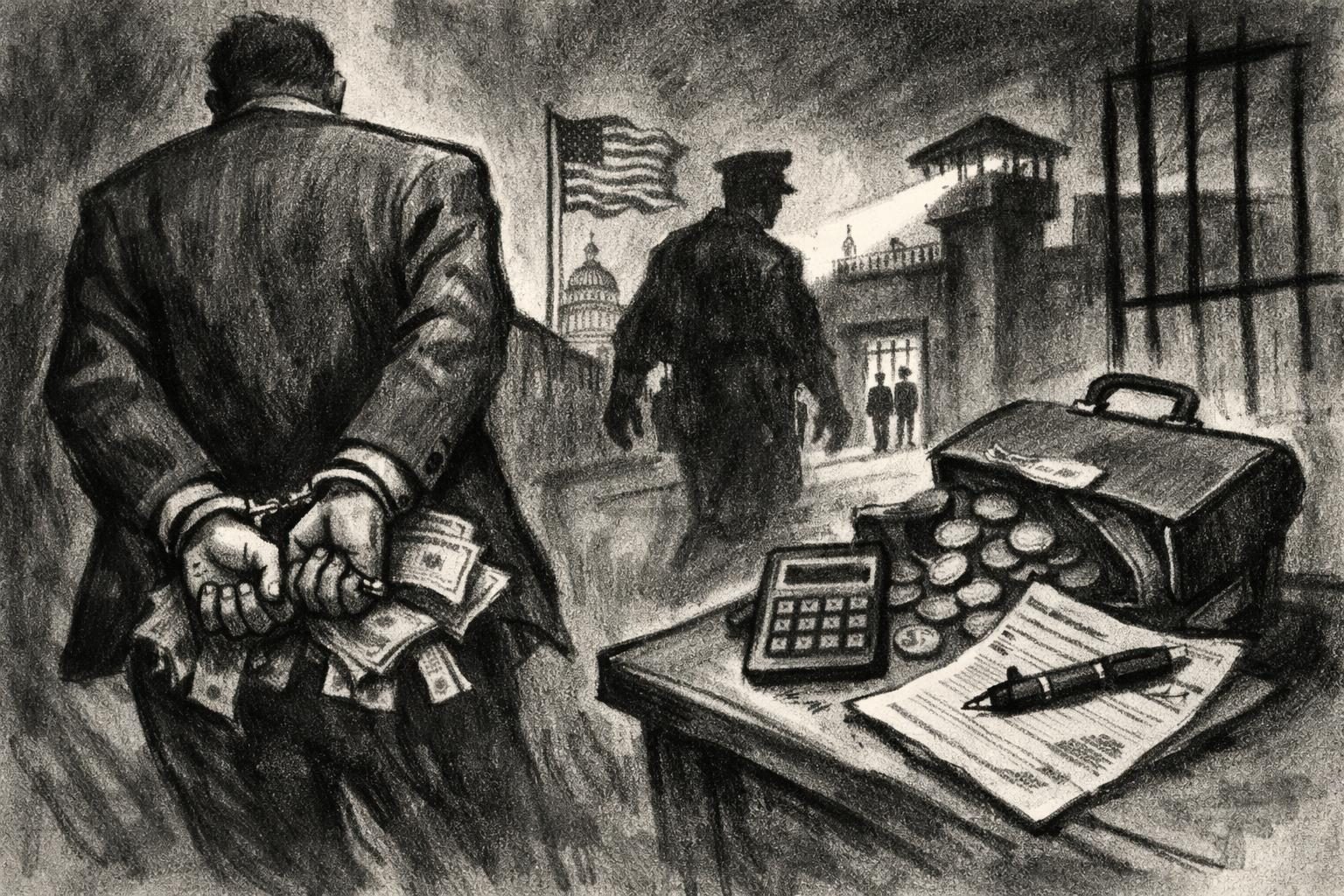
A federal sentencing in Oregon has put a man behind bars for tax crimes and related fraud, giving the Justice Department another routine but meaningful example of white-collar enforcement doing the unglamorous work that keeps the tax system from becoming a voluntary suggestion box for people who think rules are meant for other people. The case does not carry the drama of a marquee corruption trial or the instant political resonance of a campaign scandal, but it still matters because it ends with an actual prison sentence, which is the point of a criminal case after all. According to the Justice Department’s announcement on August 25, the defendant was sentenced after being found responsible for conduct that crossed from paperwork games into criminal fraud. That distinction matters because tax crimes are not just accounting mistakes with better PR. They are theft dressed up in forms, and the government’s response is supposed to be more than stern language and a pamphlet about compliance.
The broader significance of a sentence like this is that it shows prosecutors moving from accusation to consequence. In a news environment dominated by loud political standoffs and sprawling fights over elections, budgets, and power, a case involving tax crimes can look small by comparison. Yet the system of public finance depends on a basic assumption that people will report honestly, pay what they owe, and avoid treating the tax code as a personal challenge level. When that assumption breaks down, enforcement is what keeps the whole thing from turning into a joke told at the expense of everyone else. A prison sentence also tells the public that the government had enough evidence to persuade a court that the conduct was serious enough to merit incarceration, not just a fine or a slap on the wrist. That does not resolve every question about the case, but it does confirm that the matter moved beyond allegations and into punishment.
Cases like this are often easy to overlook precisely because they lack spectacle, but their value lies in that very ordinary quality. Tax fraud and related white-collar schemes tend to be built on concealment, layering, and the assumption that the bureaucracy will be too slow, too cluttered, or too polite to catch up. When enforcement actually works, it tends to do so in a way that is less cinematic than people expect and more procedural than anyone wants to hear about. That is why these actions are important even when they are not the lead story of the day. They remind the public that accountability is not only about the big national fights that dominate speeches and social feeds. It is also about whether people who cheat on taxes or use fraud to gain an advantage can be identified, prosecuted, and sentenced. If the answer is yes, then the system still has some teeth. If the answer is no, the rhetoric about fairness and equal treatment starts to look like decoration.
The case also fits into a larger pattern of justice system activity that is often tedious, sometimes messy, and occasionally unglamorous, but still essential. Enforcement is rarely neat, and public confidence rarely turns on one case alone, but the cumulative effect of prosecutions like this one matters. A prison sentence in an Oregon fraud case will not shake the political calendar or rewrite the day’s major narratives, and it is not pretending to. What it does offer is a grounded reminder that white-collar theft remains theft, even when it arrives with forms, invoices, and the vocabulary of business. For a public that is constantly told to be skeptical of institutions, there is at least some value in seeing an institution do the simple job it is supposed to do: investigate, charge, prove, and punish. The result may be dull by headline standards, but dull is often what accountability looks like when it is functioning as intended.
Comments
Threaded replies, voting, and reports are live. New users still go through screening on their first approved comments.
Log in to comment
No comments yet. Be the first reasonably on-topic person here.