
FTC pushes new pricing policy fight into the open
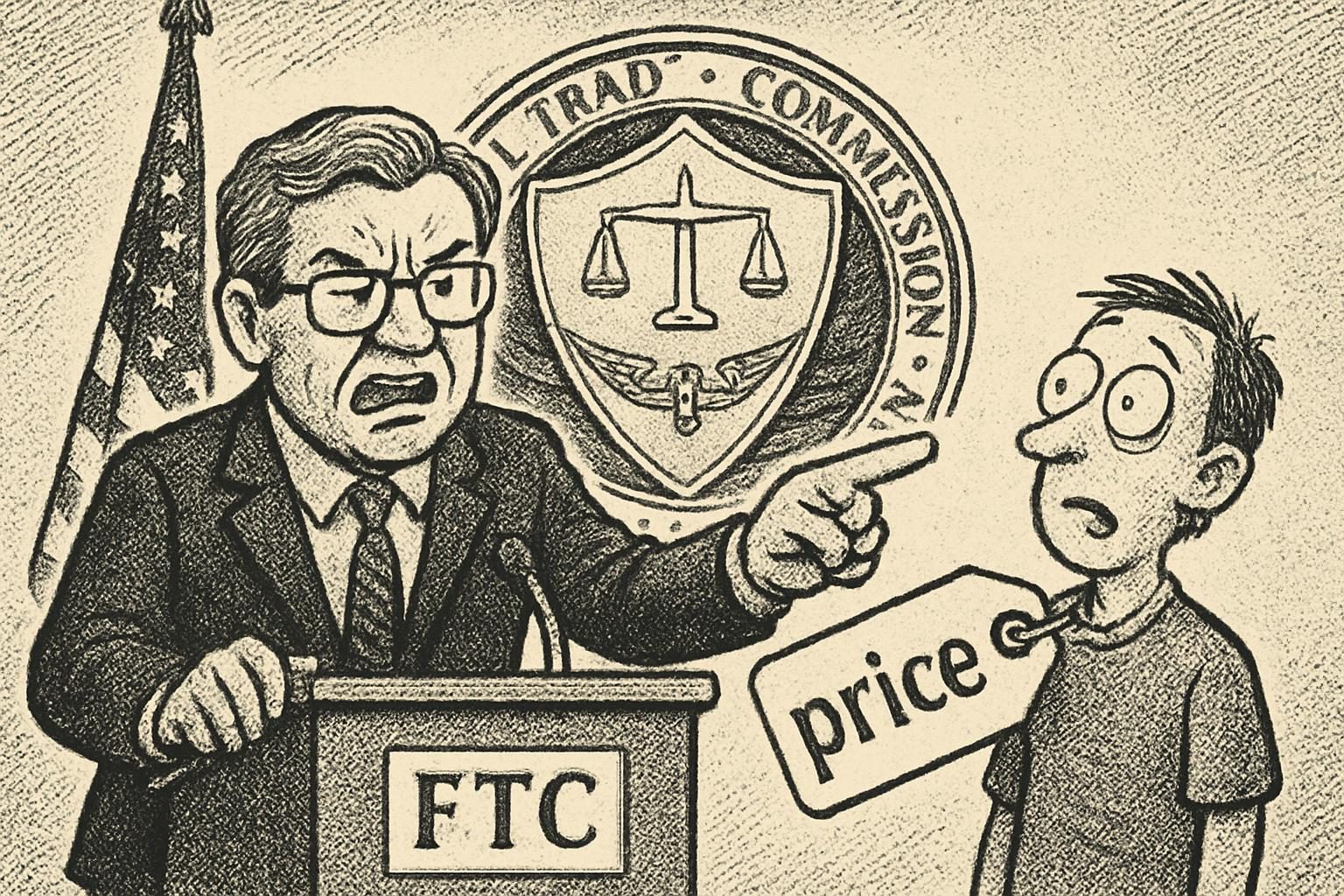
The Federal Trade Commission is taking a fresh public swing at one of the more irritating frontiers of modern commerce: the possibility that the price on a product or service is not just changing with the market, but changing with you. On August 25, the agency said it is seeking public comment on a proposed enforcement policy statement concerning personalized pricing, a practice it describes as using personal data to estimate what a specific consumer is likely willing to pay. That framing matters because the FTC is not talking about ordinary sales, seasonal discounts, or the familiar mess of airline fares and hotel rates that rise and fall with demand. It is talking about a system in which consumer data can be used to tailor the price itself, potentially turning information about a shopper into a tool for extracting more money from that shopper. The commission is trying to make clear that this is not a completed rule or a final judgment about every form of variable pricing. Still, even as a proposed policy statement, it signals where the agency thinks the line should be drawn and what kind of conduct may attract enforcement scrutiny.
The FTC’s central concern is not that businesses adjust prices. Businesses have always adjusted prices, and many industries rely on dynamic pricing to manage inventory, demand, and competition. The agency is drawing a distinction between pricing that responds to broad market conditions and pricing that depends on personal data gathered about a specific person, often in ways that are not obvious to the person paying. In the commission’s view, companies that fail to disclose how personal data is used in setting individualized prices could run into problems under the FTC Act and other laws the agency enforces. That is an important clue about the direction of travel here. The agency is not merely asking whether a price is high or low in some abstract sense. It is asking whether the consumer has been given a fair chance to understand that data about them is being used to shape the deal in front of them. If the answer is no, the FTC appears ready to treat that opacity as more than a harmless business tactic. It wants to know whether the consumer is actually consenting to a pricing system or being quietly sorted into a higher-paying category by a machine.
The policy debate around personalized pricing is likely to split along predictable lines, but the stakes are real enough to make the fight more than a talking point. Consumer advocates are expected to argue that data-driven price discrimination is inherently opaque and extractive, especially when shoppers have no meaningful way to tell whether they are seeing the same price as everyone else. They will likely say the practice rewards surveillance, penalizes vulnerability, and turns ordinary commerce into a test of how much a company can squeeze out of someone based on what it knows about them. Business groups, by contrast, are likely to argue that dynamic pricing is simply modern commerce armed with better analytics, and that companies should be allowed to use lawful data to match offers to demand, inventory, and market conditions. Some firms will probably insist that individualized pricing can benefit consumers by producing targeted discounts or more efficient markets. The FTC is aware of those arguments, which is part of why it is framing the proposal as a request for public comment rather than a finished declaration. But the agency is also signaling that convenience for sellers does not automatically excuse secrecy for buyers.
Even without a final rule, the proposal matters because it pushes a debate that has mostly lived in the background into an open enforcement conversation. That can change behavior on its own. When regulators say they are watching for certain kinds of data use, companies tend to reassess their practices, their disclosures, and their legal risk, sometimes before any formal action is brought. The commission’s move also underscores how far pricing has drifted from the old idea that a price is simply a price. In a digital marketplace, prices can be adjusted in real time using location data, browsing patterns, purchase history, device information, and other signals that consumers may never see. The more those systems rely on personal data, the harder it becomes to defend the idea that everyone is at least playing the same game. The FTC is trying to make sure the market does not decide for itself that surveillance-based price discrimination is just another line item in the cost of doing business. Whether the agency ultimately issues a final policy, and how aggressive it chooses to be in enforcement, remains to be seen. For now, though, it has put the question where it belongs: in public, where consumers, companies, and critics can argue over whether shopping should feel like a transparent transaction or a personalized ambush.
Comments
Threaded replies, voting, and reports are live. New users still go through screening on their first approved comments.
Log in to comment
No comments yet. Be the first reasonably on-topic person here.