
GSA says it uncovered $13 billion in suspected procurement fraud
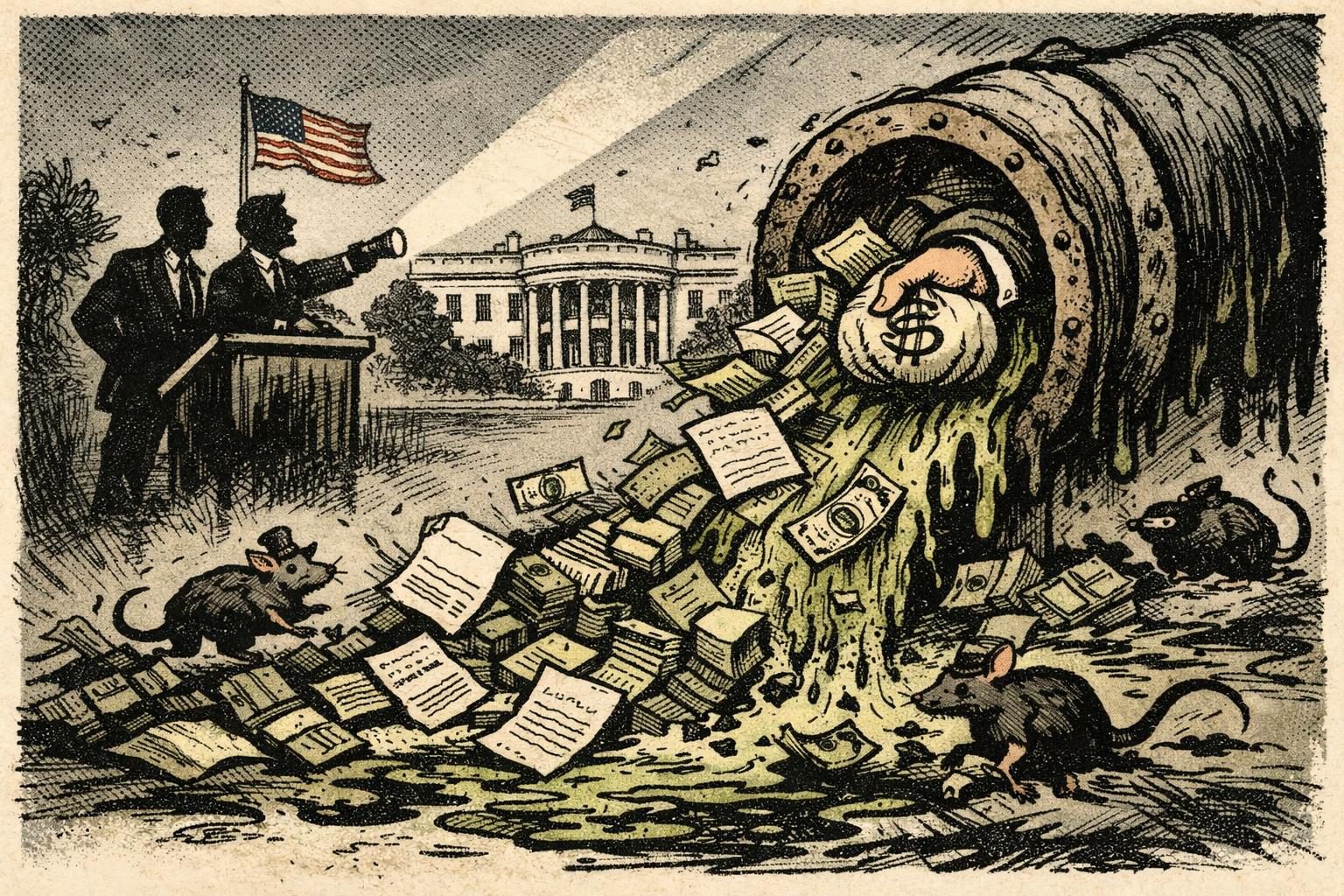
The General Services Administration says it has uncovered more than $13 billion in suspected procurement fraud by federal contractors since March, a figure it described on August 25 as the largest suspected fraud case cluster in the agency’s history when measured by both the number of contractors involved and the total dollar amount. That is not a typo, and it is not the kind of number government readers can shrug off as routine waste management. GSA says the discovery came from a mix of governmentwide contracting data, public reporting, and inspector general enforcement information, suggesting the agency assembled a broader picture by connecting records that are usually scattered across separate systems. Even if the cases are still only suspected fraud rather than proven criminal conduct, the scale alone is enough to raise hard questions about how much abuse can hide inside the federal purchasing apparatus before anyone notices. Procurement is supposed to be the boring plumbing of government, the place where rules turn dollars into services, equipment, and infrastructure. Instead, this announcement makes it sound like a pipe cavern full of leaks, bad joints, and a lot of expensive surprises.
The political and institutional meaning of the announcement may be almost as important as the underlying allegations. GSA did not simply release a number and move on; it framed the discovery as evidence that the federal contracting system has been riddled with weaknesses and that a new crackdown is overdue. The agency tied the announcement to a White House anti-fraud task force and presented the effort as part of a broader campaign against waste, fraud, and abuse in government contracting. That is an effective way to turn an ugly internal problem into a policy victory lap, but it also raises a basic accountability problem: if such a massive pile of suspected misconduct was sitting in plain sight, who failed to catch it earlier, and why? The answer may involve everything from stretched oversight staffs to fragmented data, from sloppy contractor controls to agency habits that assume compliance unless proven otherwise. It may also involve a political incentive to portray the current cleanup as an aggressive break with the past rather than as a delayed response to longstanding management failures. Either way, the public is being asked to see both a scandal and a reform moment at once. Those two things can coexist, but they do not cancel each other out.
There is a reason procurement fraud produces such a corrosive reaction when it finally comes into view. Federal contracts fund the government’s most practical work, and they depend on a level of trust that can be abused with remarkable ease if records are weak and enforcement is inconsistent. When a large suspected fraud tally emerges, it suggests the system was either not monitored closely enough or was actively gamed by contractors who thought they would not get caught, or both. GSA’s emphasis on governmentwide data and enforcement information implies that the agency is trying to show it can finally see patterns that had been obscured by bureaucracy and compartmentalization. But a better view is not the same thing as a healthy system. The agency has not, based on the available information, laid out a detailed public list of every contractor, every scheme, or every case disposition, so the exact shape of the alleged misconduct remains unclear. That matters because “suspected fraud” can cover a range of behavior, from false claims and billing irregularities to more coordinated schemes that may require criminal referral. It also matters because the public often hears a big dollar figure and assumes a neat conclusion, when in reality large-scale procurement cases usually take time to sort through and may end in civil action, administrative sanctions, or no formal penalty at all. The announcement therefore functions as both a warning and a reminder of how much of the federal contracting system is still too opaque for comfort.
For contractors, the practical message is simple: assume the government is looking harder, and assume it may be using more data to do it. That could mean tighter vetting, more scrutiny of invoices and performance records, greater attention to subcontracting chains, and fewer opportunities to treat compliance as a box-checking exercise. For agencies, the announcement is a cautionary tale about how quickly a procurement problem becomes a credibility problem. If billions in suspected fraud could accumulate before being identified at this scale, then the challenge is not just to punish bad actors but to rebuild confidence in the controls that were supposed to stop them in the first place. The White House-backed framing of the discovery may give the administration a clean political narrative: the system was broken, the cleanup is underway, and the new team is willing to expose what came before. But the policy test will be whether this produces durable structural fixes or merely another round of public embarrassment, selective enforcement, and triumphant language. The public gets the headline number, the agencies get the talking points, and contractors get the message that the temperature has risen. What remains unanswered is the most important question of all: how much other procurement rot is still waiting to be found.
Comments
Threaded replies, voting, and reports are live. New users still go through screening on their first approved comments.
Log in to comment
No comments yet. Be the first reasonably on-topic person here.