
Massachusetts rolls out school immigration guidance before the new year
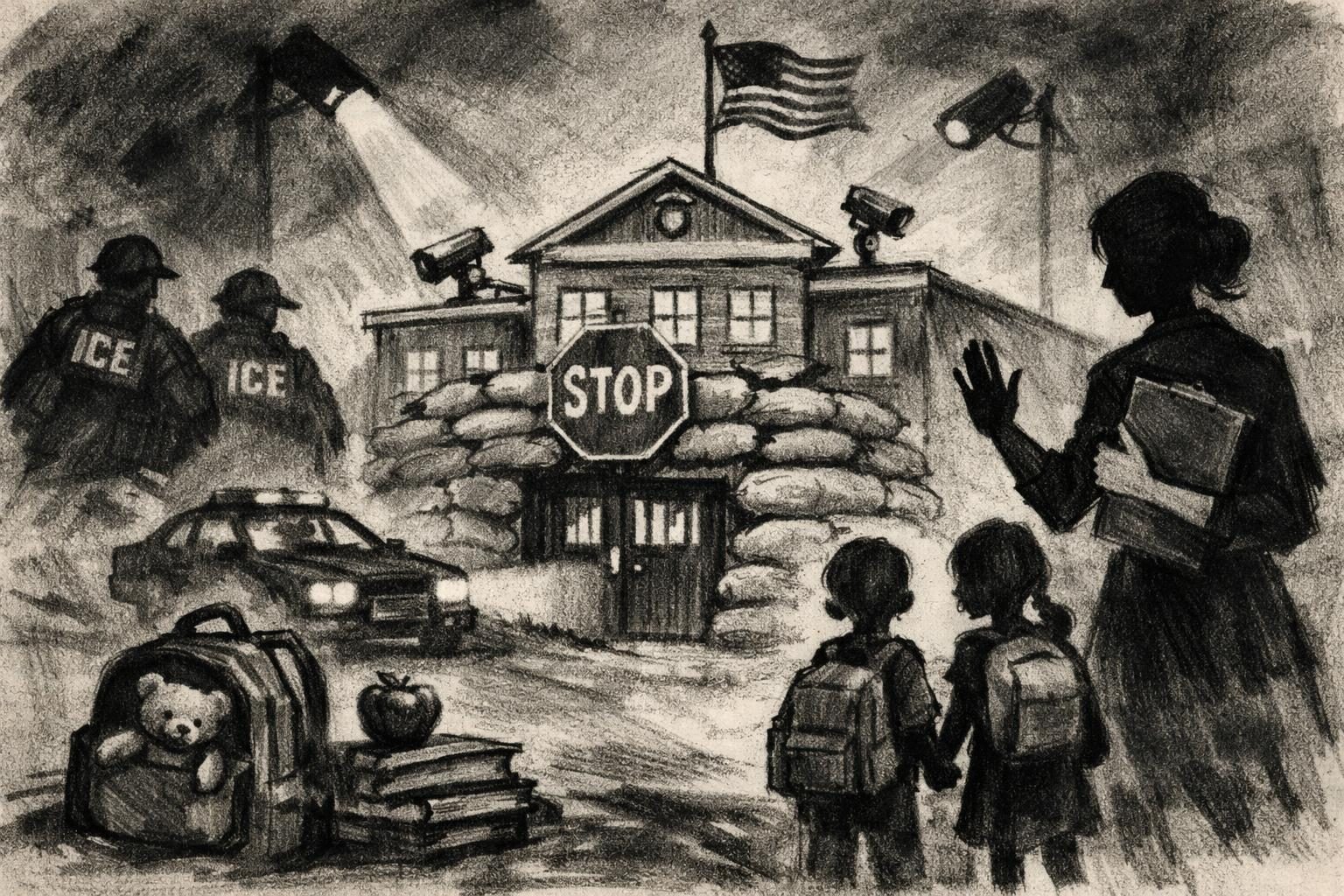
Massachusetts on Aug. 25 rolled out new model policies and guidance aimed at helping schools and child care programs respond to civil immigration enforcement, protect confidential information, and carry out the state’s PROTECT Act. State officials said the material is meant to give districts, educators, and providers something concrete to lean on before the new school year begins. That may sound bureaucratic, but the timing tells the real story: this is a defensive move made in anticipation of the possibility that federal immigration activity could intersect with ordinary school life. In other words, the state is telling institutions that deal with children to be ready for a kind of disruption no school should have to plan for. The guidance does not change federal law, and it does not eliminate the legal tension around immigration enforcement, but it does offer a framework for keeping students’ information and school routines from becoming easy targets.
The fact that Massachusetts felt compelled to publish a playbook at all says plenty about how far the issue has moved into everyday civic life. Schools are not immigration offices, border checkpoints, or law-enforcement staging grounds, yet administrators increasingly have to know how to respond if officers show up asking for records, access, or cooperation. That puts educators in the awkward position of trying to safeguard students while also navigating a complicated set of legal obligations that can vary depending on the circumstance. The practical risks are obvious: confusion at the front office, uncertainty about what can be shared, and unnecessary fear among families who may already be on edge. The guidance is meant to reduce that chaos by giving districts and child care providers a clearer sense of what to do and what not to do, especially when confidential student or family information is involved. It is a reminder that the politics of immigration no longer stay confined to courts, campaign rallies, or Washington. They spill into attendance sheets, pickup lines, enrollment files, and the daily administrative routines that keep schools functioning.
That is why the move matters beyond one state’s education department. Massachusetts is not just reacting to a hypothetical administrative headache; it is responding to a climate in which families with mixed immigration status may increasingly view school as one more place where enforcement anxiety can land. The underlying objective here is straightforward: preserve access to education services and reduce panic when communities are already vulnerable. Officials can describe that as implementation of state law and good governance, which it is. Supporters will likely see it as a necessary protection of children and families, particularly those most likely to avoid public institutions if they fear exposure. Critics, on the other hand, will probably treat the guidance as an attempt to wall schools off from federal authority. But that framing misses the larger point. The state is trying to keep schools focused on education instead of turning them into pressure points in a broader immigration fight. Even if the guidance only helps districts avoid a few bad encounters, it could still spare schools from confusion at the start of the year.
The broader national backdrop is what gives the announcement its edge. States including California and Pennsylvania have also issued school-focused guidance or legal reminders addressing immigration enforcement issues, a sign that education officials around the country are trying to anticipate conflicts before they hit the front door. That pattern reflects a deeper normalization of fear in public institutions, where administrators are forced to think not just about lesson plans and staffing but about how to respond if federal officers or related inquiries enter the picture. The practical effect is that ordinary school operations now carry a layer of legal caution that would have seemed extraordinary not long ago. Massachusetts’ guidance will not settle the political dispute over immigration, and it will not stop enforcement activity if and when it happens. But it may help districts, child care centers, and families move through the school year with slightly less uncertainty and slightly more clarity about boundaries. That is the narrow promise of the document, and also the larger indictment of the moment: governments are now issuing detailed school guidance because the routine business of educating children has become one more place where federal immigration fear has to be managed instead of imagined.
Comments
Threaded replies, voting, and reports are live. New users still go through screening on their first approved comments.
Log in to comment
No comments yet. Be the first reasonably on-topic person here.