
Pallone demands a congressional investigation into denied disaster aid for New Jersey
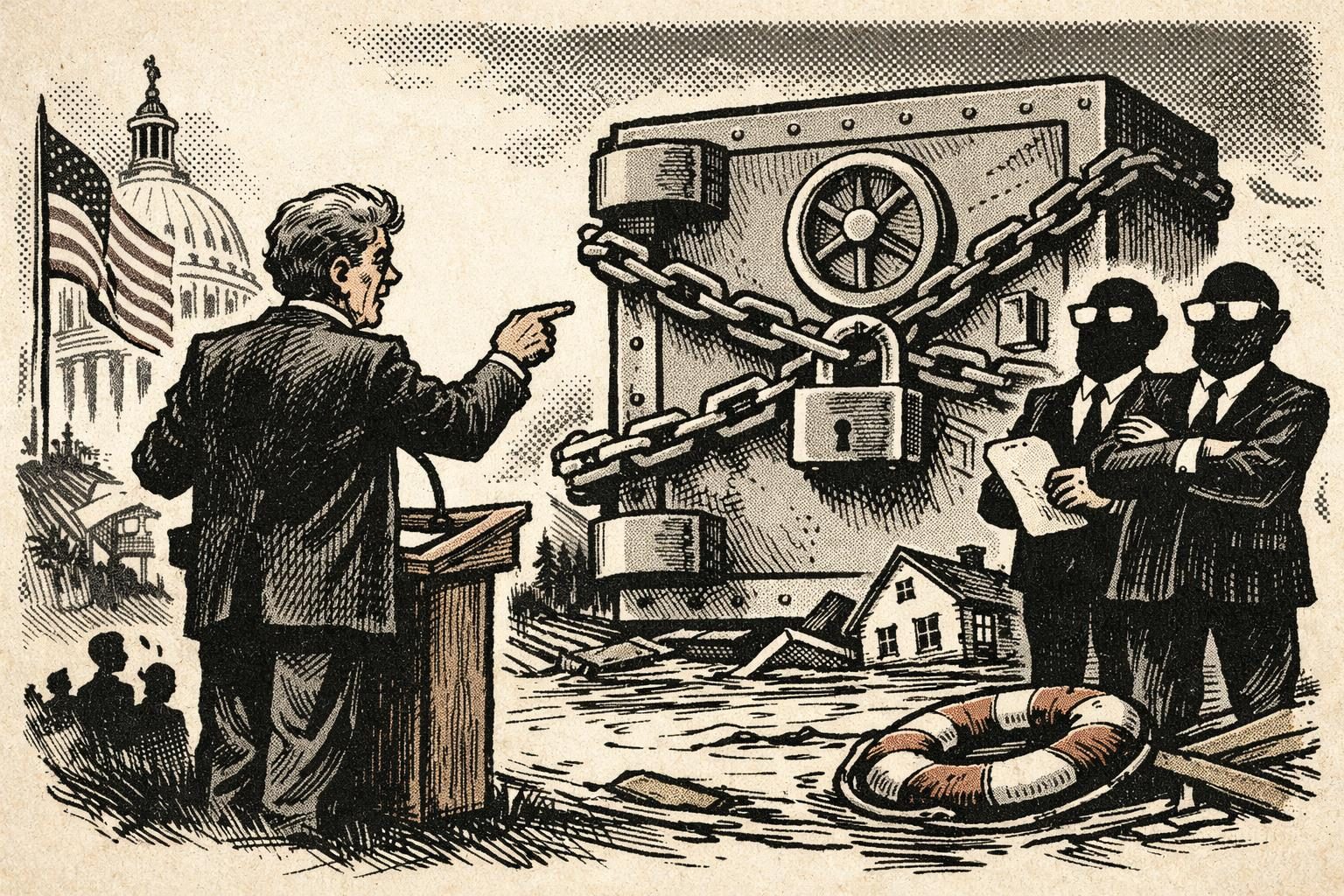
Rep. Frank Pallone is calling for Congress to dig into why New Jersey was denied $84.4 million in disaster aid, even though federal officials reportedly found the state had met the threshold for assistance. Pallone’s demand, made Aug. 25, turns what might otherwise have been dismissed as a routine administrative dispute into a potentially serious oversight fight over how disaster money is awarded and withheld. The underlying question is simple but politically explosive: if the state qualified under the rules, why was the aid denied? That is not the kind of question that disappears just because the paperwork says the decision is final. It becomes harder to shrug off when the amount involved is large, the need is real, and the official explanation does not seem to match the reported findings. In that sense, the dispute is no longer only about one allocation of federal funds. It is about whether disaster relief is being administered as a neutral public function or as a tool that can be bent by politics when it is convenient.
The allegation matters because disaster aid is supposed to be determined by need, damage, and federal criteria, not by whether a state happens to be in the good graces of the White House. New Jersey’s case has quickly become a test of that principle because the reported facts suggest the state cleared the standard for help and was still turned down. If that is accurate, the denial looks less like a judgment about eligibility and more like an override that deserves explanation. Pallone is treating it that way, pressing Congress not merely to complain but to investigate the decision itself. That push is significant because it shifts the matter from partisan grumbling into institutional scrutiny, where lawmakers can ask who made the call, what evidence was considered, and whether the process followed normal federal practice. It also raises a broader concern that has been lingering for years: the fear that blue states, in particular, are too often made to wonder whether they will be treated fairly when federal dollars are on the line. The concern is not theoretical when a state that supposedly qualified can still be left empty-handed. And once a denial starts to look discretionary rather than mechanical, every future disaster decision becomes more suspect.
A congressional probe would not resolve the issue by itself, but it could force the public record to become more complete. House committees could seek documents, question officials, and determine whether FEMA’s recommendation, the White House’s role, or some other internal review altered the outcome. If the matter was handled properly, that process should produce a clear explanation that matches the reported threshold finding. If it was not, then the investigation could expose a pattern of pressure or interference that would be hard to dismiss as a one-off mistake. The stakes are especially high because disaster aid is one of those areas where the federal government is supposed to act quickly, predictably, and on the basis of need. Delay is bad enough when communities are waiting for help; denial after qualification is something else entirely. It sends a message that the rules are flexible for some and rigid for others. That is the kind of message Congress is supposed to be able to challenge, especially when the money at issue is meant to help people recover from events they did not choose and could not control. If lawmakers fail to follow through, the precedent would be ugly: the next state that believes it was treated unfairly may have little reason to expect any better treatment or any meaningful oversight.
Even now, before any formal hearing is announced or any documents are released, the political consequences are already obvious. A denial of this size will feed suspicion that federal emergency management can be used to reward allies and punish enemies, or at least to signal who is in favor and who is not. Pallone’s decision to frame the issue as a congressional investigation makes clear that he is not willing to accept a vague administrative answer if the reported facts show New Jersey met the standard. That stance could increase pressure on House leadership and on committees with jurisdiction over disaster response to take the complaint seriously rather than bury it in procedural limbo. It also puts FEMA in the spotlight, whether the agency’s role was decisive or merely advisory. And because the allegation sits at the intersection of public safety and partisan power, it has a way of cutting through ordinary political noise. People may disagree about a lot of federal spending fights, but disaster aid usually has a basic moral logic behind it: if communities are hurt badly enough, the government helps. When that logic appears to break down, confidence in the system breaks down with it. That is why Pallone’s demand matters beyond New Jersey, and why Congress will be judged not just by whether it investigates, but by whether it treats the denial as a serious warning about how far politics may already have crept into disaster relief.
Comments
Threaded replies, voting, and reports are live. New users still go through screening on their first approved comments.
Log in to comment
No comments yet. Be the first reasonably on-topic person here.