
Raskin expands Kushner probe over shady Albanian land deal
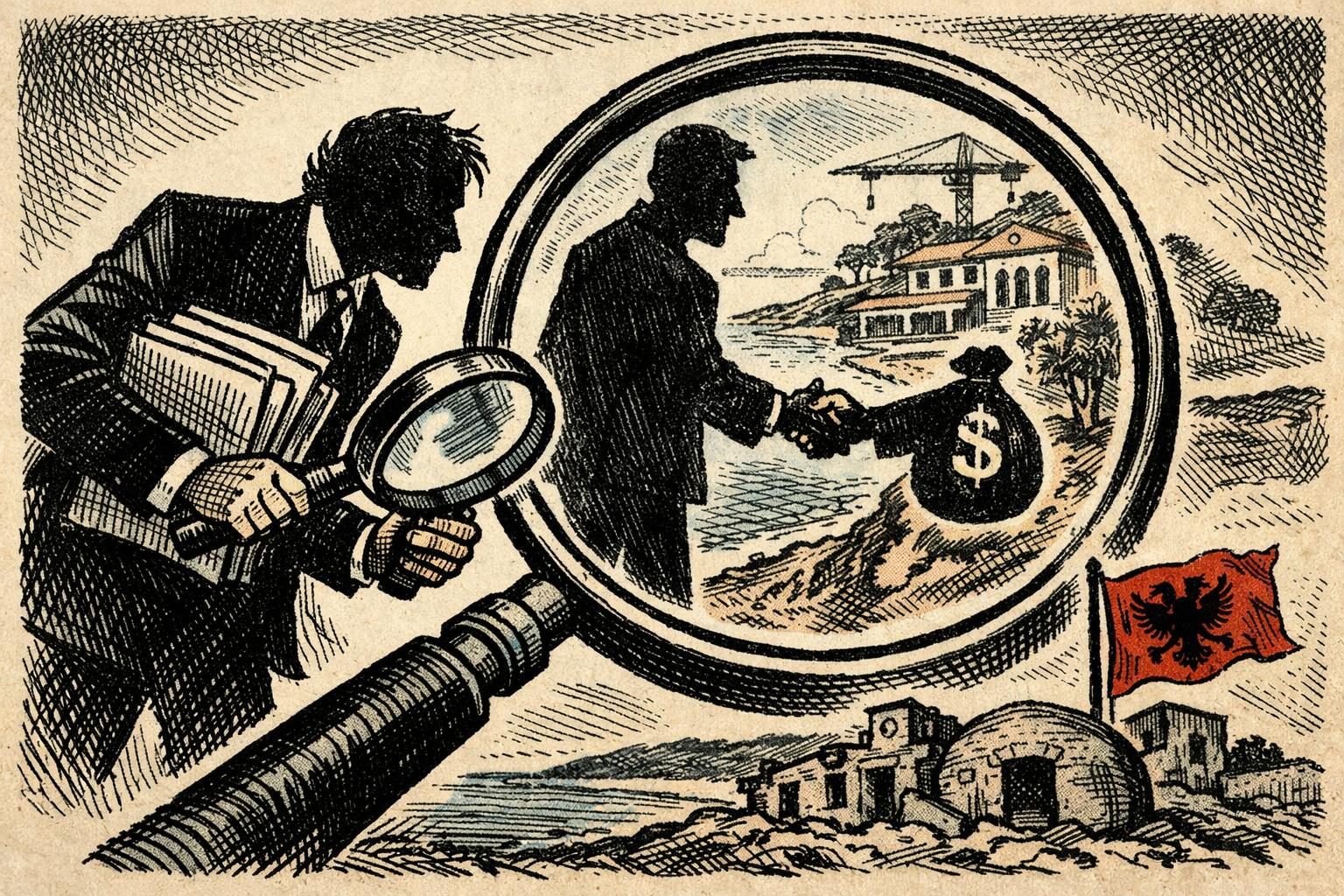
House Judiciary Democrats have widened their inquiry into Jared Kushner’s overseas business dealings after saying he failed to answer an earlier congressional request for records and after fresh allegations surfaced about a disputed land purchase in Albania tied to a luxury real-estate project. In a new letter dated Aug. 25, Ranking Member Jamie Raskin said the panel is expanding its review of whether Kushner’s private investment activity overlapped with his former public role in ways that should have triggered stricter ethics scrutiny. The new focus centers on a reported $120 million acquisition of land in Albania, a deal Democrats say is now shadowed by questions about the identity and ownership history of the seller. According to the committee’s account, the seller has been described in the letter as a suspected gangster and drug trafficker, and there were warnings that the person may not have actually owned the property in the first place. That combination, Democrats argue, raises more than one red flag at once: whether proper diligence was done, whether Kushner’s side knew about the seller’s background, and whether the purchase was pushed through despite obvious warning signs.
The committee’s latest move suggests lawmakers are no longer treating the Albania matter as a narrow real-estate dispute, but as part of a broader pattern in which political access, foreign capital, and private enrichment can end up intertwined. Raskin and his colleagues are asking for records that could help determine who knew what, when they knew it, and how the project was structured from the start. That kind of paper trail matters because the central issue is not simply whether a deal was controversial after the fact, but whether it was built on information and relationships that should have made any reasonable ethics review stop and stare. If the allegations hold up, the concern is not only that a dubious property transaction may have gone forward, but that it did so with the advantage of Kushner’s name, his former proximity to power, and the confidence those connections can confer on international partners. Democrats are also trying to learn whether the same network of advisers, investors, and intermediaries involved in the Albania purchase had any reason to believe the transaction would benefit from political protection or from the perception of access. In that sense, the investigation is about more than one plot of land; it is about the recurring question of whether public office becomes a kind of marketable credential once officials leave government.
The failure to respond to Congress is itself part of what is driving the escalation. When investigators ask for documents and get no meaningful reply, they tend to infer that the underlying records may be sensitive, incomplete, or inconvenient. That is not proof of wrongdoing, but it does deepen suspicion, especially when paired with an allegation involving a foreign land acquisition, a disputed title history, and a seller said to have criminal ties. Democrats have framed the silence as unacceptable given the seriousness of the questions and the public responsibilities that once attached to Kushner’s role in government. They are also using the episode to underscore a larger complaint about the Trump family orbit: that it has normalized foreign entanglements and opaque private deals in a way that would have drawn far more alarm in earlier administrations. In their view, the lack of cooperation does not make the matter go away; it gives lawmakers more reason to keep digging. And as with many oversight fights, the absence of answers can be almost as politically revealing as the answers themselves, because it suggests either that records are being withheld or that the parties involved believe Congress will eventually move on.
What happens next will depend on whether the committee can force more disclosure and whether the facts eventually support the suspicion that the land purchase was tainted by misconduct or simply by reckless judgment. Additional subpoenas are possible, along with deeper scrutiny of Kushner’s investment vehicles and the foreign partners linked to the project. Even if the inquiry does not quickly produce sanctions or criminal referrals, it keeps alive a corruption narrative that has dogged the Trump world for years and is not easily brushed aside as stale partisan theater. The broader stakes are also clear enough: Congress is testing whether former senior officials and their families can leverage public service into private advantage abroad with little consequence, or whether oversight still has enough muscle to make that kind of arrangement costly. The Albania allegations are especially combustible because they combine a large sum of money, an overseas government, and possible criminal associations into one difficult-to-explain transaction. That does not prove a crime, but it is exactly the sort of fact pattern that invites scrutiny and resists easy reassurance. For Democrats, the case is becoming a test of whether the rules meant to prevent conflicts of interest mean anything when the people under review are wealthy, well-connected, and accustomed to treating controversy as a manageable expense.
Comments
Threaded replies, voting, and reports are live. New users still go through screening on their first approved comments.
Log in to comment
No comments yet. Be the first reasonably on-topic person here.