
State Department is preparing to revoke visas for some asylum applicants
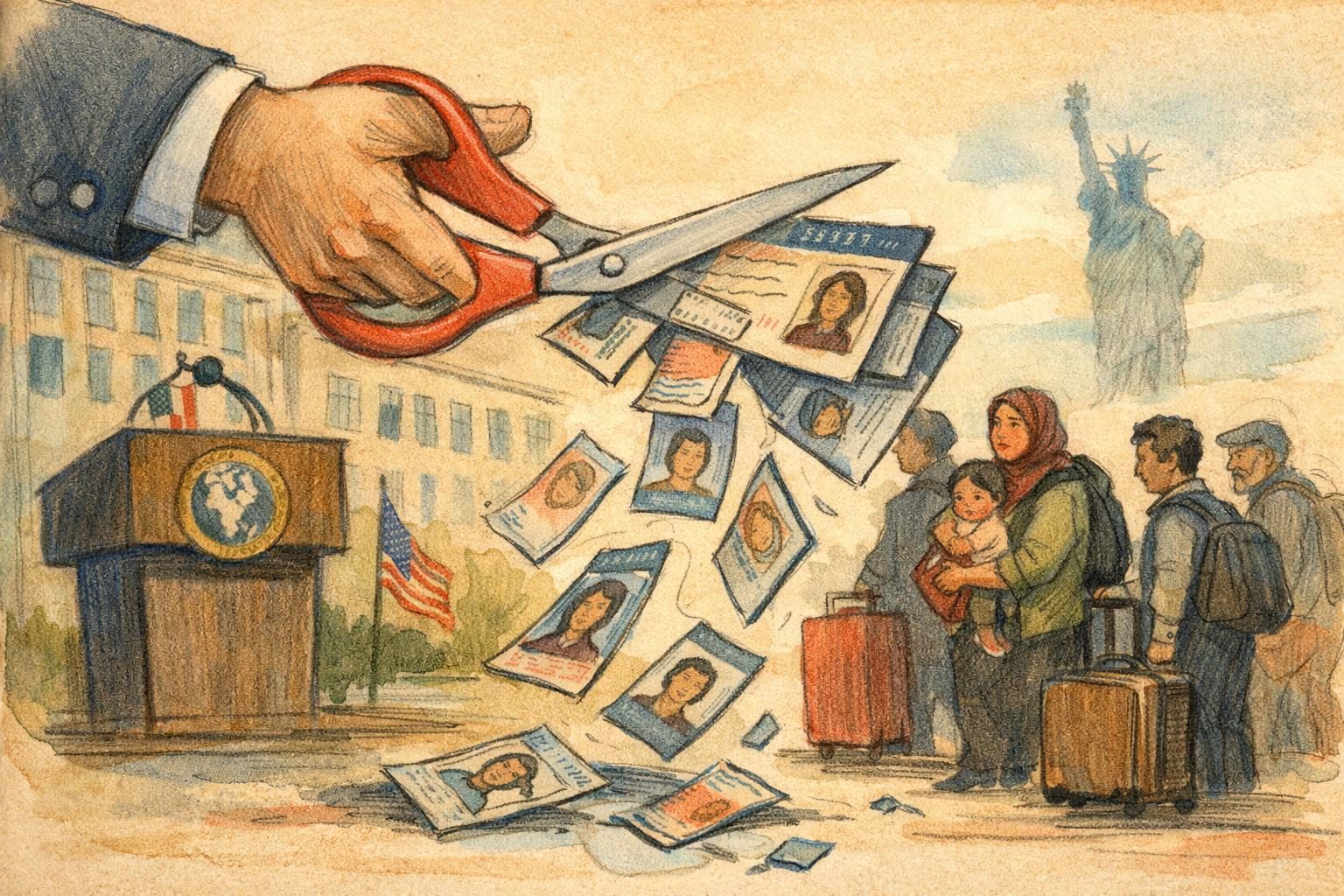
The State Department is preparing a broad visa revocation move that would target some foreign nationals who held B-1 business or B-2 tourist visas and later applied for asylum in the United States. According to reporting that cites State Department documents and two U.S. officials, the department expects to announce the policy in the coming weeks. The plan would reach visas issued between 2016 and 2026 and could affect as many as 200,000 people. If carried out as reported, it would be the largest single mass revocation of visas in U.S. history.
The reported policy is not a blanket cancellation of all business or tourist visas. Instead, it appears aimed at people whose asylum claims put them in a different legal category than the one attached to their original nonimmigrant visa. Reuters reported that the administration is treating some of those filings as evidence the visa was used in a way the government now considers improper. Bloomberg Law also reported that the White House described seeking asylum on a visa as fraud and said that could be grounds for revocation.
The practical effect, if the plan is adopted as described, would be immediate uncertainty for a large number of people who entered with government-issued travel permission and later asked for protection. Revocation would not necessarily mean instant deportation, but it would strip the underlying business or tourist status and could complicate travel, work, and immigration cases already moving through an overloaded system. Reuters reported that some pending asylum cases would be re-categorized.
The move would likely face legal challenges. Visa decisions are generally handled case by case, and a mass review based on a single later filing status would invite arguments over notice, process, and the standards used to justify revocation. The scale alone makes this stand out: the administration is not talking about a narrow enforcement action, but about a sweeping review of visas issued over a ten-year window. That is the part likely to matter most in court and in practice, because the policy would turn a large class of already-admitted travelers into revocation targets almost all at once.
Comments
Threaded replies, voting, and reports are live. New users still go through screening on their first approved comments.
Log in to comment
No comments yet. Be the first reasonably on-topic person here.