
Trump’s new Canada blast shows trade still means chaos first, explanation later
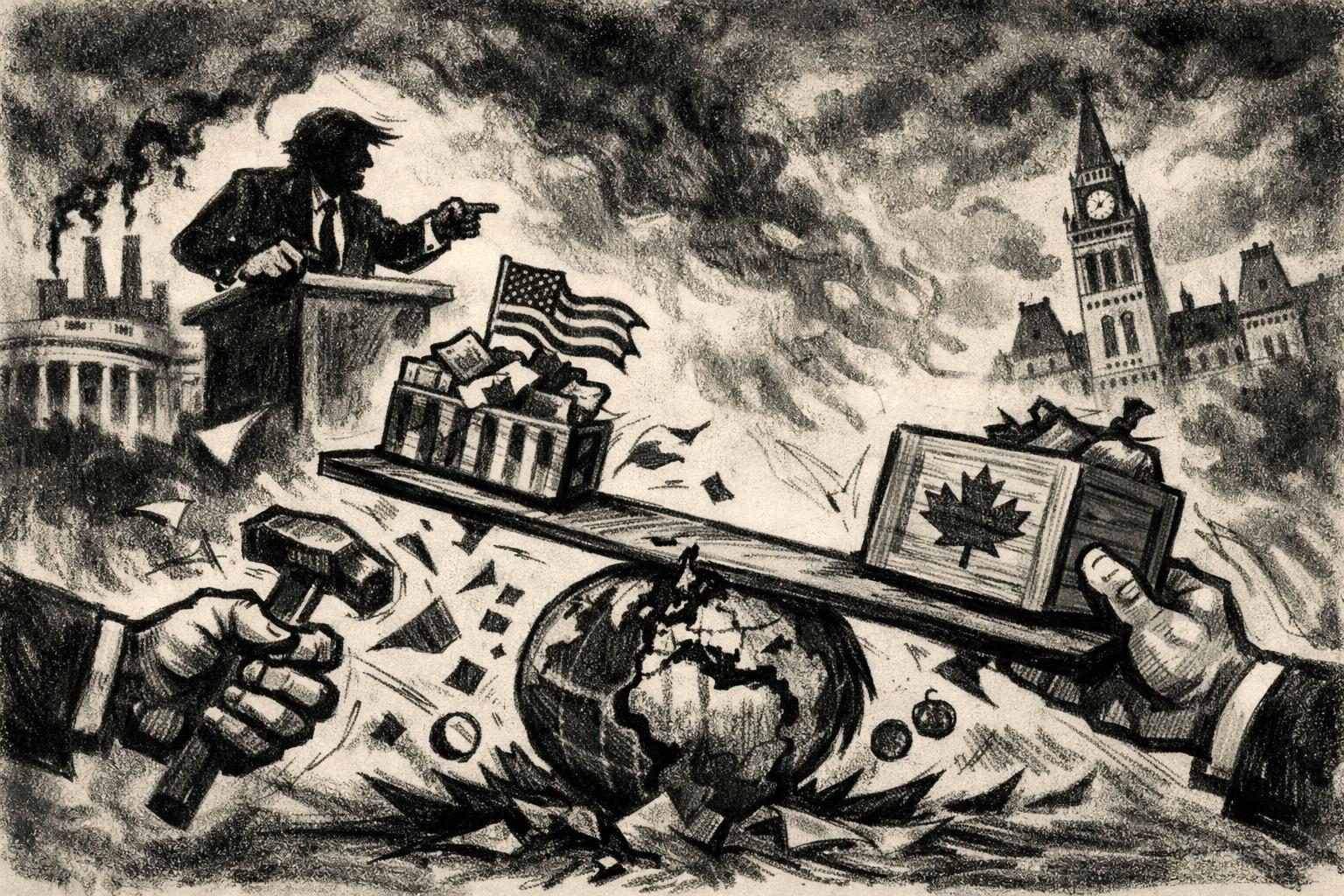
The White House on August 25 added a fresh layer of noise to its trade fight with Canada, turning the latest move into a showpiece for presidential toughness rather than a calm explanation of what, exactly, the policy is supposed to accomplish. The message was unmistakable: this is being sold as leverage, as if the mere act of escalating pressure counts as economic strategy. That may work as a political performance, especially for an audience that likes to hear tariffs described as victories instead of disruptions. But the underlying reality does not change just because the release uses the language of strength. Businesses still have to plan around it, border flows still have to absorb it, and the people who buy, sell, ship, and insure goods across the boundary still have to deal with the fallout.
This matters because Canada is not some peripheral target chosen for symbolic reasons. It is one of the most important trading partners the United States has, a deeply integrated market tied to American manufacturing, agriculture, energy, and retail supply chains. Goods do not simply stop and start at the border because a statement says they should; they move through contracts, logistics networks, inventory schedules, and pricing decisions that can take months to adjust. When Washington treats tariff escalation as a rhetorical victory lap, the ripple effects show up in ways that are harder to brag about on camera: higher costs, delayed investment, hedging behavior, and a general reluctance to make long-term commitments in an environment where policy can change in a single burst of messaging. That uncertainty is the point critics keep returning to. A stable trade framework is supposed to reduce surprise, not manufacture it.
There is also a familiar political pattern here, and it is one the administration seems intent on repeating. The White House puts out a stern announcement, frames it as proof of resolve, and leaves everyone else to figure out whether the move is narrowly targeted, broadly disruptive, temporary, or a prelude to something larger. That ambiguity may be useful if the goal is to keep headlines moving and allies guessing. It is much less useful if the goal is to give American firms a predictable operating environment. Trade policy experts, business groups, and lawmakers who have watched the last several years of tariff whiplash have long warned that uncertainty can behave like a tax on planning. It is not always visible in a single day’s market movement, but it accumulates in postponed hiring, frozen orders, and cautious capital spending. The White House message on August 25 did not answer those concerns so much as brush past them, assuming that a declaration of toughness is enough to substitute for a coherent economic explanation.
The larger problem is that this style of policy keeps confusing motion with progress. An administration can absolutely create the appearance of action by ratcheting up trade pressure and presenting retaliation as proof of strength. It can probably even get some short-term political benefit from that move, especially among voters who equate confrontation with competence. But the scorecard is not written in slogans. If the aim is to improve outcomes for American workers and industries, then the evidence has to be measured in durable gains, not in the volume of the announcement. So far, the recurring lesson of this approach is that the costs arrive quickly and the benefits are harder to pin down. That does not mean every tariff threat is automatically unjustified or that every cross-border dispute should be avoided. It does mean the administration keeps choosing spectacle first and explanation later, with Canada once again absorbing the blast radius. If this is what trade toughness looks like in practice, then the country is being asked to mistake chaos for strategy and branding for policy.
Comments
Threaded replies, voting, and reports are live. New users still go through screening on their first approved comments.
Log in to comment
No comments yet. Be the first reasonably on-topic person here.