
Trump administration weighs massive visa revocation tied to asylum claims
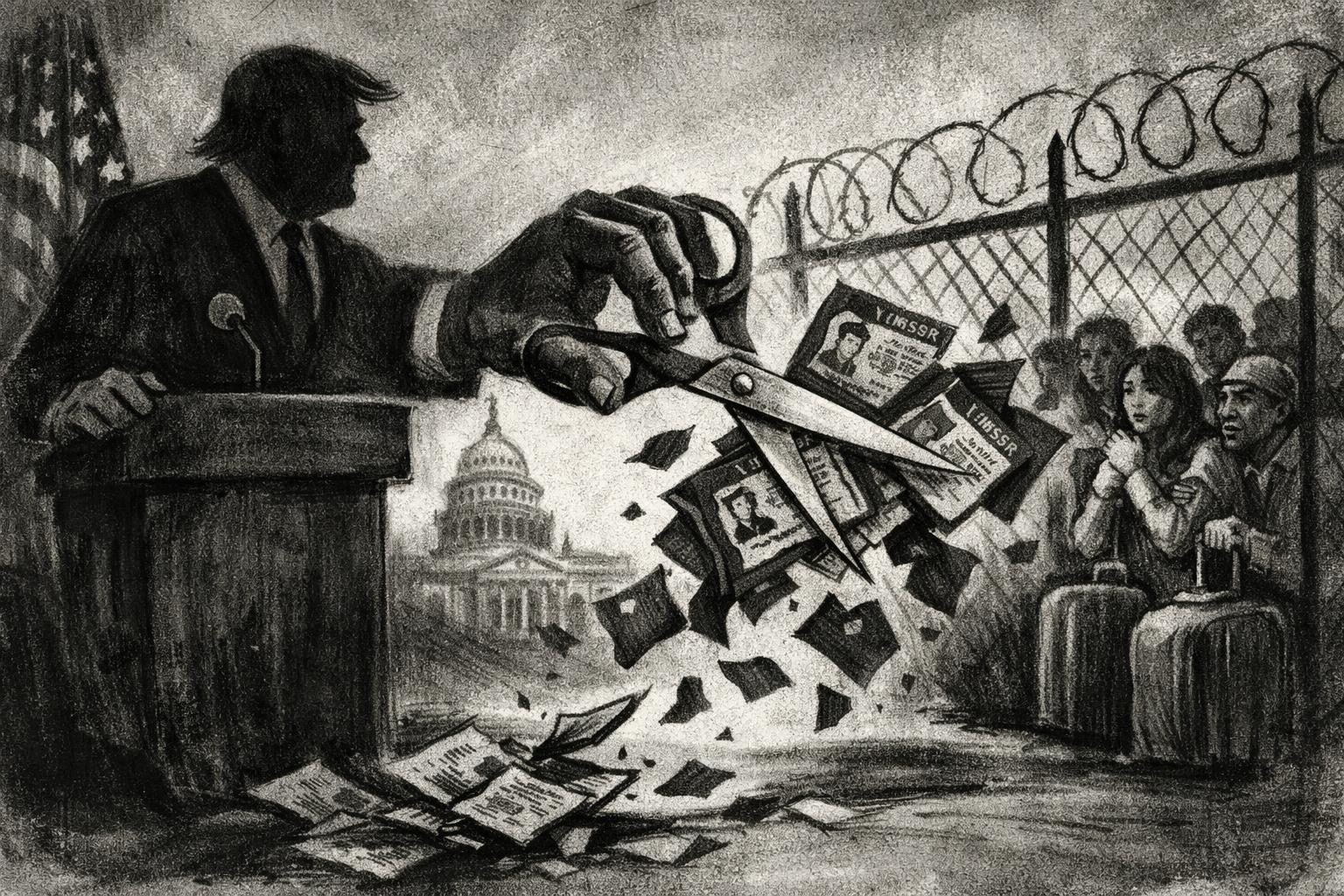
The Trump administration is weighing a sweeping new immigration move that would revoke business and tourist visas from as many as 200,000 foreigners who have applied for asylum or are currently seeking it in the United States. If carried out, the plan would amount to the largest mass visa revocation ever attempted by the federal government, and it would hit people who entered legally on temporary visas before later asking for protection from deportation. That detail matters because it shifts the proposal from a narrow enforcement action into something much broader: a reordering of how the government treats a large group of people who are already inside the country and are navigating the asylum system. The report, which surfaced Monday and was still being discussed Tuesday, suggests the administration is actively considering the idea rather than merely floating it as a political talking point. Even so, it remains a plan under discussion, not a final directive, which leaves room for it to change, stall, or be challenged before it ever takes effect.
The administration’s rationale will sound familiar to anyone who has followed its immigration policy over the last several years. Officials argue that the asylum system has been abused and that aggressive enforcement is needed to restore order and deter what they see as manipulation of the rules. That argument is politically potent because it frames the issue as one of basic system integrity rather than mass punishment, but the scale of the reported proposal is what makes it so combustible. Revoking visas in bulk would not simply affect the people named in any enforcement action; it would likely create immediate complications for employers, universities, landlords, family members, and immigration attorneys trying to figure out who is still authorized to remain, work, or travel. It could also add new strain to immigration courts, where already backlogged cases would have to absorb a fresh wave of legal challenges over notices, evidence, timing, and whether people were given a real chance to respond. In other words, what is being described as an administrative clean-up could quickly become a system-wide jam.
There is also a due-process problem at the center of the debate, and it is the kind of problem that tends to turn policy into protracted litigation. People with pending asylum claims are not all in the same legal situation, and the reasons they sought asylum can vary widely, which makes a one-size-fits-all response especially risky. Some may have arrived on tourist or business visas and later applied for asylum when conditions changed in their home countries, while others may have been in the middle of regularizing their status when the asylum application was filed. If the government tries to strip temporary visas from people in bulk, advocates are likely to argue that it is effectively punishing individuals without the individualized review that immigration law and constitutional norms ordinarily require. Civil-rights groups and immigrant advocates are expected to characterize the move as collective punishment dressed up as enforcement, and they will almost certainly frame it as another example of the administration using administrative power to make the immigration system harsher by default. The legal questions would not be limited to whether the government has the authority to revoke visas; they would also include whether the process used was fair enough to survive court scrutiny.
The practical effect could extend far beyond the legal fight itself. For many asylum seekers, a lawful temporary visa is what allows them to work, attend school, maintain housing, and move through the bureaucratic maze without constantly fearing immediate removal. Pulling that status in bulk would create an obvious chilling effect, especially for people who are already reluctant to interact with government agencies for fear of triggering enforcement action. Employers would suddenly have to check employment eligibility for workers who may have been authorized just days earlier, while universities could face disruptions if students lose the documents that allow them to remain enrolled and present in the country. Families would be caught in the middle, often with mixed immigration histories that make a single revocation ripple through spouses, children, and dependent relatives. The broader message would be unmistakable: even lawful temporary status is fragile if the government decides an asylum claim has become a marker of suspicion rather than a request for protection. That is why this story is not just about visa rules or one president’s immigration posture; it is about how far executive authority can stretch before it collides with basic expectations of notice, fairness, and stability. For now, the proposal remains exactly that — a proposal — but the fact that such a large-scale revocation is being seriously considered shows how far the administration is willing to push the machinery of immigration enforcement in the name of deterrence.
Comments
Threaded replies, voting, and reports are live. New users still go through screening on their first approved comments.
Log in to comment
No comments yet. Be the first reasonably on-topic person here.