
White House uses Abbey Gate anniversary for a memorial—and a political cudgel
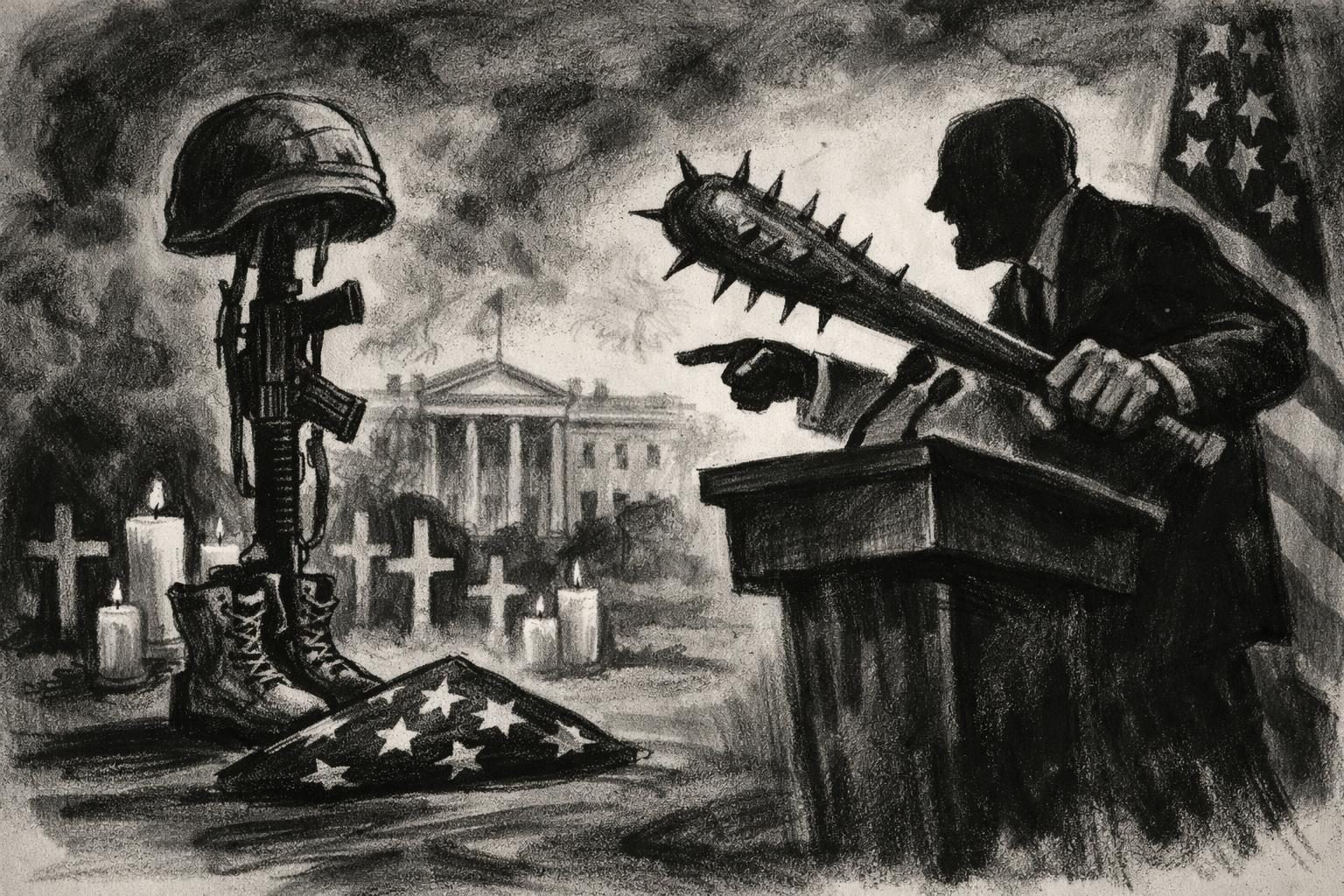
On August 26, the White House marked the fifth anniversary of the Abbey Gate attack with a presidential proclamation that did two things at once: it honored the 13 U.S. service members killed during the Afghanistan evacuation, and it used the occasion to deliver a sharp political attack on the administration that oversaw the withdrawal. The text memorializes the dead, emphasizes their sacrifice, and asks Americans to remember what happened at Kabul’s airport gate in 2021. It also places blame with unusual force, arguing that the collapse of the evacuation reflected a failure of judgment and execution by the previous White House. The result is a document that is plainly solemn in one register and plainly combative in another. That tension is not an accident; it is the point.
The Abbey Gate anniversary has always carried more weight than a routine calendar marker because it sits at the intersection of grief, foreign policy, and domestic political reckoning. For many Americans, the attack remains one of the most vivid symbols of the end of the Afghanistan war and the chaotic scenes that accompanied the final withdrawal. The White House clearly understands that symbolic power and is using it to keep Afghanistan alive in the national conversation, not as a distant episode but as a continuing lesson about competence, responsibility, and the cost of failure. In that sense, the proclamation is not just a remembrance of the dead. It is also an effort to define the meaning of the withdrawal itself, and to make sure the administration’s preferred lesson is the one that sticks. Anniversaries can either invite reflection or become tools of narrative control, and this one leans decisively toward the latter. The grief is real, but so is the intention to shape how that grief is understood.
That does not mean the proclamation is insincere, and it would be too easy to dismiss it as a cynical exercise in score-settling. A memorial statement from the president on the fifth anniversary of a deadly attack is, at minimum, an acknowledgment that the loss still matters and that the names attached to it should not fade into abstraction. Supporters of the administration are likely to argue that it would be irresponsible not to pair remembrance with a candid account of what they view as a disastrous withdrawal. From that perspective, the proclamation is doing what presidential statements often do: preserving memory, assigning meaning, and drawing a line between competing versions of history. Critics, however, will see something more opportunistic in the same language. They are likely to read the document as an example of grief politics, where the honor paid to the dead becomes inseparable from the effort to embarrass political opponents. Both readings can coexist, which is what makes the proclamation politically potent. It asks the country to mourn and to blame in the same breath.
The larger significance of that move is less about one anniversary than about the ongoing struggle over how Afghanistan will be remembered in American politics. The war’s end remains a potent source of grievance because it implicates decisions made over many years, but the evacuation scenes and the Abbey Gate attack have become the shorthand for collapse. By keeping the attack front and center, the White House is reinforcing a broader message about sovereignty, military competence, and the consequences of disorderly withdrawal. It is also reminding voters that Afghanistan is still available as a political cudgel, even if the practical policy questions are now mostly settled. The immediate fallout is rhetorical rather than operational, but rhetorical fallout is often enough to shape future debates about war powers, the conduct of withdrawals, and the degree to which civilian leaders are held accountable for failures abroad. This proclamation does not resolve those debates. It does, however, ensure that they remain charged, personal, and very much open for reuse in the next argument about who broke what and when. In other words, the White House has turned a solemn anniversary into a carefully aimed lesson, which is exactly the kind of thing modern politics keeps rewarding.
Comments
Threaded replies, voting, and reports are live. New users still go through screening on their first approved comments.
Log in to comment
No comments yet. Be the first reasonably on-topic person here.