
ATF says a cybersecurity incident hit a major federal law-enforcement system
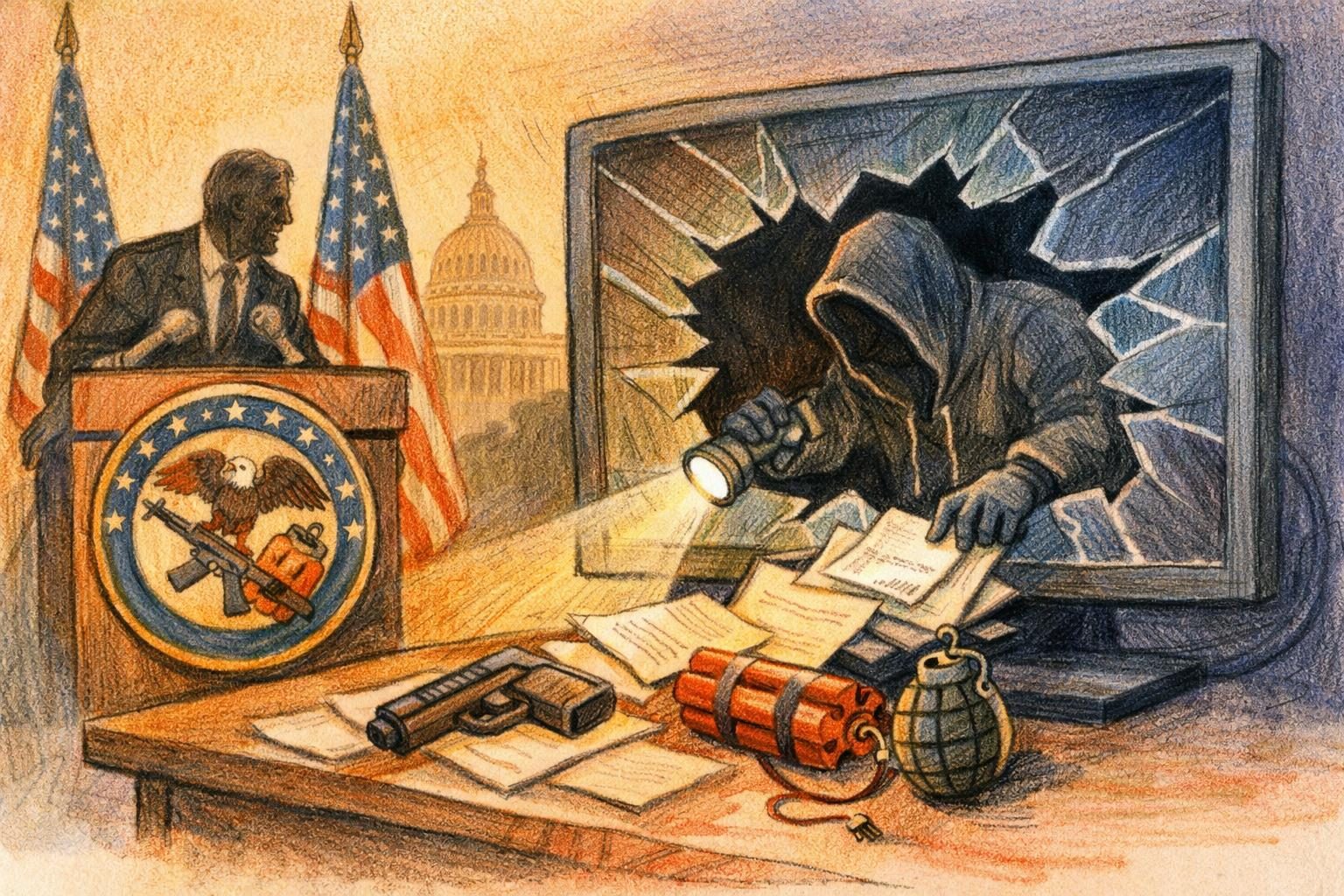
The Bureau of Alcohol, Tobacco, Firearms and Explosives disclosed on August 26 that it had responded to a cybersecurity incident affecting agency operations, and federal officials elevated the matter to a major incident under government rules. That is not the sort of classification agencies hand out for routine annoyances or a few jammed workstations. It signals that the problem was serious enough to move out of ordinary IT troubleshooting and into the higher-stakes world of coordinated federal response. The agency said required notifications had already been completed, which suggests the incident had reached the point where internal handling alone was no longer enough. In plain English, the government is now dealing with a security event inside one of the country’s most sensitive law-enforcement organizations, and it is doing so under the scrutiny that comes with that label.
The ATF’s role makes any cybersecurity disruption especially delicate. The bureau is not just another administrative office with a few spreadsheets to protect; it handles enforcement-related material, investigative support, and internal systems tied to firearms, explosives, and other highly sensitive federal work. That means even a limited intrusion can raise questions that go beyond whether email is down or a server needs to be rebuilt. A compromise in this environment could affect investigations, personnel information, operational planning, or coordination with other agencies that depend on secure communication. The bureau has not publicly laid out the scope of the incident, how it began, or whether sensitive data were accessed, so the most responsible reading at this stage is that the risk remains unsettled rather than resolved. Still, the fact that officials treated it as a major incident indicates they are not treating it as a minor inconvenience.
That uncertainty is part of what makes federal cyber disclosures so frustrating. When a major law-enforcement agency acknowledges a breach-related incident but stops short of describing the full damage, the public is left to infer the seriousness from the response itself. In this case, the response tells its own story: notifications were made, officials stepped in, and the issue was important enough to trigger elevated handling. Those are not the steps of an agency that thinks it can quietly mop up a small glitch and move on. They are the steps of an organization trying to contain exposure before it spreads or becomes more visible. Whether the incident involved unauthorized access, malware, data theft, or some other compromise has not been disclosed in the material available now, and that absence matters. Without those details, the public can only judge the event by its administrative footprint, which is substantial enough to warrant attention but not yet detailed enough to measure the full blast radius.
The broader problem for the Justice Department is that cyber incidents in sensitive agencies are no longer rare enough to be shrugged off as technical bad luck. Repeated warnings about federal cybersecurity, tighter incident-response procedures, and promises of improved coordination have not eliminated the basic vulnerability: a determined attacker, a successful intrusion path, and an agency forced into damage control. The ATF incident lands in that familiar gap between what government says it can manage and what reality keeps proving it must manage again. Even if the final assessment shows limited exposure, a major-incident designation means the bureau still has to work through containment, forensic review, and whatever remediation is needed to reduce the chance of recurrence. If the incident turns out to have touched sensitive systems or data, the consequences could extend beyond one agency’s network into investigations and interagency trust. For now, the official picture is serious but incomplete, which is often how these federal cybersecurity events begin: with enough alarm to confirm the risk, and not enough disclosure to explain it.
Comments
Threaded replies, voting, and reports are live. New users still go through screening on their first approved comments.
Log in to comment
No comments yet. Be the first reasonably on-topic person here.