
California scores an early restraining order in the Trump administration’s driver-data fight
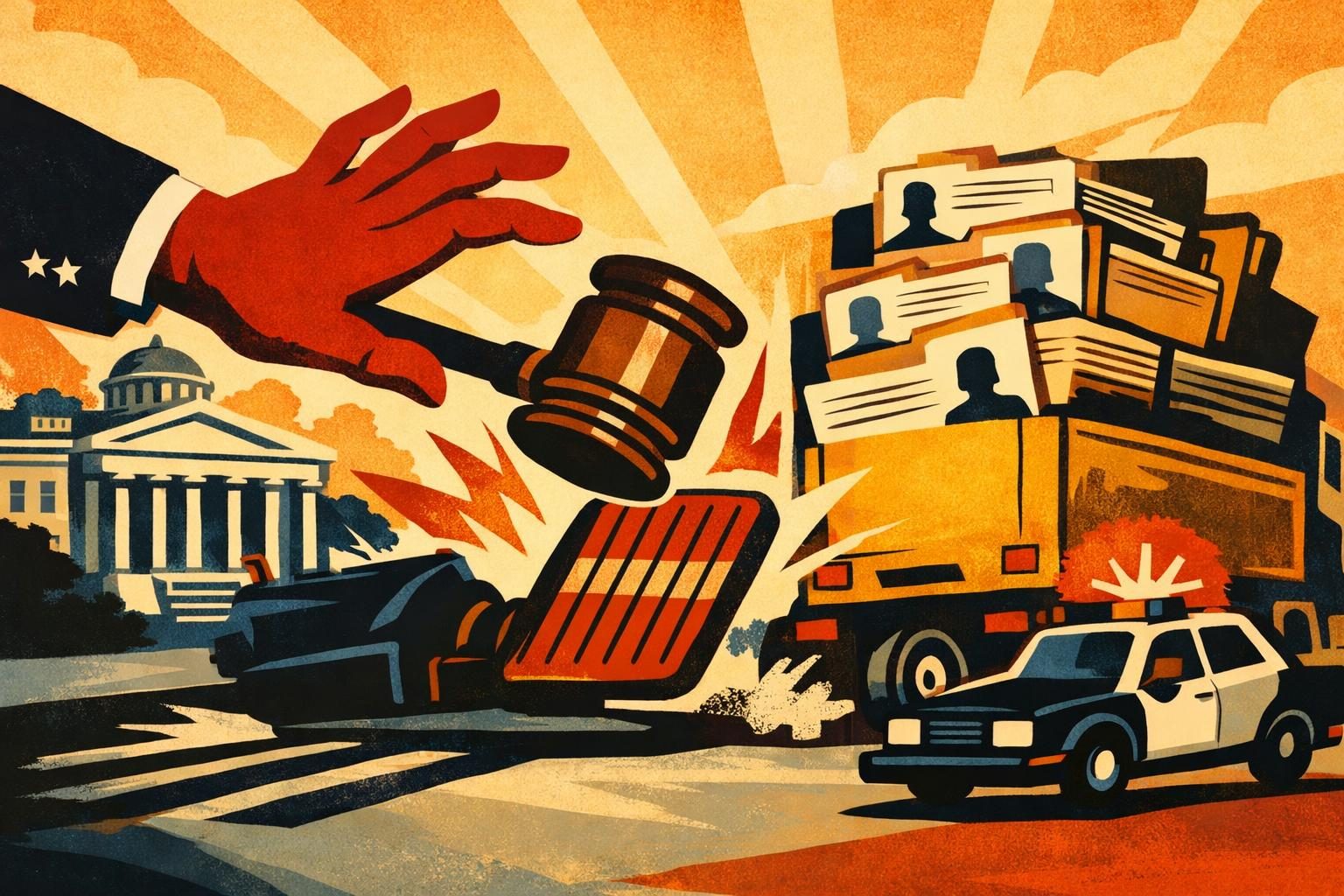
A federal court in Virginia has temporarily stopped the Trump administration from moving forward with an effort to collect sensitive commercial driver data from states, handing California and other plaintiffs an early procedural win in a fight with implications far beyond trucking databases. The order, issued on August 26, blocks the administration from pressing ahead with the disputed demand while the case plays out. At the center of the fight is the Commercial Driver’s License Information System, the national repository that helps states share information about commercial driver’s licenses and permits. California and its allies say the federal government is trying to use that system as a back door to obtain personal information it is not entitled to receive. The immediate question before the court is narrow, but the stakes are broader: whether Washington can compel states to turn over driver records containing sensitive details about workers who depend on those licenses to make a living.
California has framed the administration’s request as both unlawful and dangerous, arguing that it runs afoul of federal privacy protections and the Driver’s Privacy Protection Act. In the state’s telling, the federal government is not simply asking for routine administrative cooperation; it is demanding access to personal records in a way that exceeds its authority and ignores limits Congress already put in place. The state attorney general’s office cast the court order as a needed check on a sweeping data grab, saying the administration had no right to insist on immediate access to the information. The federal government, for its part, has said it needs broad access to data in the name of enforcement, though the dispute over exactly how far that authority reaches is now in the hands of the court. That tension is familiar in Trump-era governance: Washington argues for maximal tools, while states push back against what they describe as federal overreach dressed up as administration.
The temporary restraining order does not settle the underlying legal question, but it does force the administration to slow down and justify its position under judicial scrutiny. That matters because the government’s request is not abstract in the way many intergovernmental fights can be. Commercial driver records touch real people, and the information attached to those records can include personal details that state officials do not want circulating beyond the purposes for which it was collected. Once a court signals that the government’s demand may be too broad, the politics of the case changes quickly. What might have looked like a routine information dispute becomes a privacy showdown with a visible federal loss attached to it. And because the order is temporary, the administration still has a chance to argue for the data later, but it now has to do so from a weaker position than it would have preferred.
The larger concern for states is not only what happens to trucker records, but what happens to the principle behind the request. If the federal government can obtain commercial driver data over state objections, officials worry that similar theories could be used in other areas where personal records are stored for limited administrative purposes. That is why the issue is drawing attention well beyond transportation policy. A ruling that expands federal access could ripple into immigration enforcement, labor oversight, licensing, and other places where the government may want information that states have traditionally treated as restricted. For now, California can claim a meaningful first-round victory, and the White House has to explain why it believed the data was necessary and lawful enough to pursue in the first place. Even if the case eventually ends differently, the early court loss has already turned the administration’s push for driver information into a public reminder that privacy fights can become political liabilities very quickly.
Comments
Threaded replies, voting, and reports are live. New users still go through screening on their first approved comments.
Log in to comment
No comments yet. Be the first reasonably on-topic person here.