
Colorado wins a key round against GEO’s attack on detention oversight
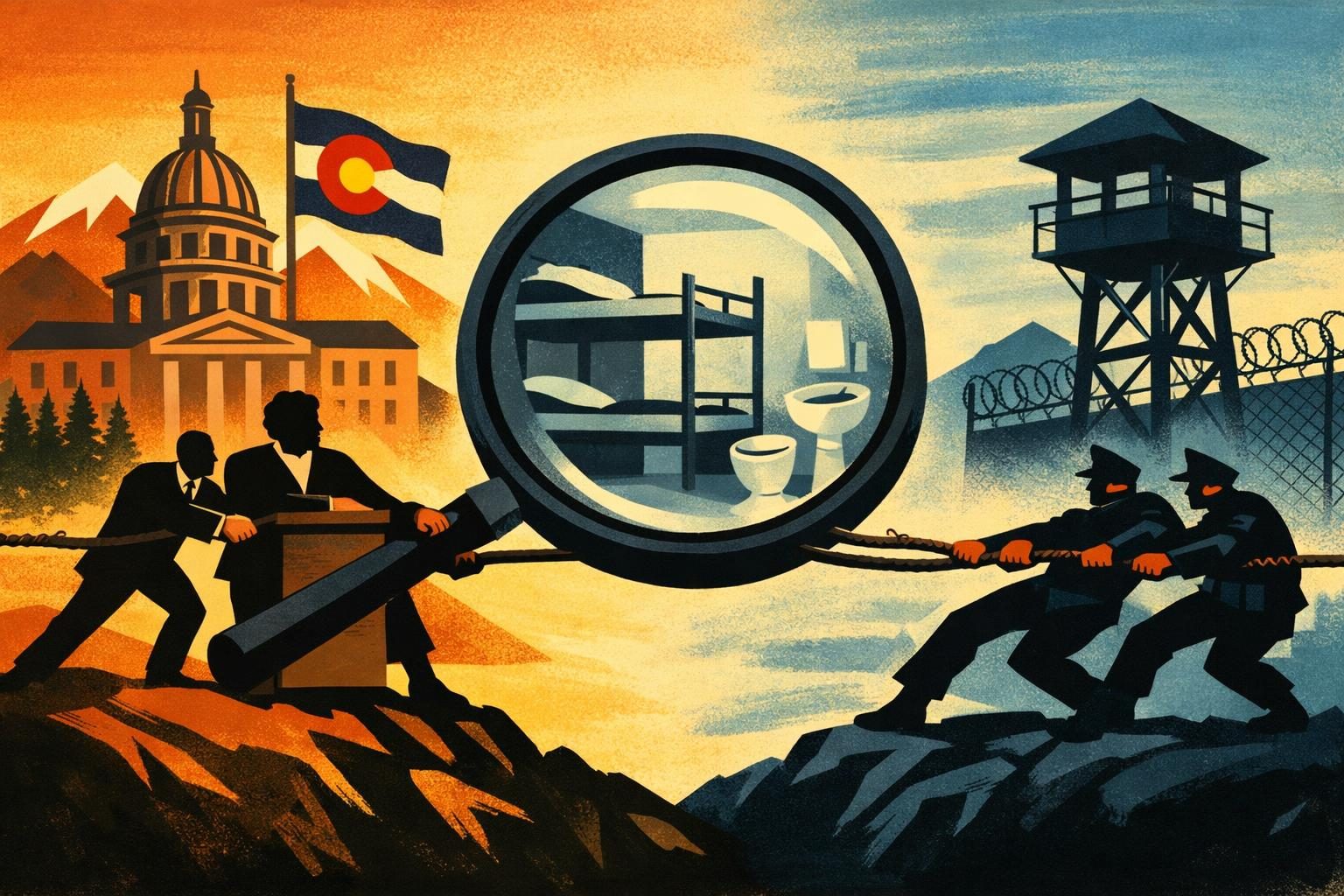
A federal judge has given Colorado a significant early victory in its fight to impose health and safety oversight on private immigration detention facilities, rejecting a challenge brought by GEO Group and leaving the state’s new law intact for now. The ruling does not resolve every legal question around the statute, and it does not end the larger battle over who gets to police detention centers operating within Colorado’s borders. But it does preserve the state’s ability to enforce a fresh regulatory framework that was only enacted this year, which makes the decision more than a technical procedural win. It is a live affirmation that state officials can still press for minimum standards even when a private contractor argues that federal immigration detention is supposed to sit beyond ordinary local regulation. Colorado Attorney General Phil Weiser immediately framed the outcome as a victory for public accountability, and that is exactly how supporters of the law are likely to treat it. For them, the ruling is not just about one company’s liability, but about whether detention facilities can be treated as a shielded exception to basic safety oversight.
The law at the center of the case reflects a broader effort by states to assert some control over facilities that are deeply tied to the federal immigration system yet physically located inside their own borders. Colorado’s position is that detention centers should still have to comply with health, sanitation, workplace, and safety rules that protect the people inside them and the workers who enter them every day. GEO, which runs detention facilities and has long profited from holding immigration detainees, argued in court that the statute intruded too far into a federally regulated field and improperly burdened the company’s operations. The judge was not persuaded enough to strike the law down, at least not at this stage, and that matters because the company’s core legal strategy depended on convincing the court to wall off its facilities from meaningful state inspection. That approach has become familiar across the private detention industry: when local authorities try to inspect, regulate, or discipline facilities, contractors often respond by insisting that federal immigration authority should override all else. Colorado’s ruling suggests that argument does not automatically succeed, especially when the state is acting through a general health-and-safety measure rather than trying to control immigration policy itself. Even so, the case is still unfolding, and a live legal fight can continue to produce appeals, revised arguments, and narrow wins for either side.
The broader significance of the decision is tied to the long record of controversy surrounding immigration detention facilities. Across the country, those sites have faced allegations of neglect, unsafe conditions, inadequate medical care, transparency problems, and occasional abuse, which is why the issue of oversight has become so politically charged. Supporters of Colorado’s law say that state inspection power is not radical at all; it is the kind of ordinary public-health authority that governments regularly use to protect workers, residents, and vulnerable people in institutions that hold large numbers of human beings under constrained conditions. GEO and its allies, by contrast, cast that oversight as interference that could complicate operations and expose contractors to state-level enforcement they believe should not apply in a federal detention context. The judge’s ruling does not settle that philosophical fight, but it does keep the state’s accountability tool alive at a time when private detention operators continue to seek insulation from scrutiny. That is why the decision has a wider resonance than the immediate dispute might suggest. It tells the industry that courts may not be eager to hand over a blanket immunity from basic regulation just because a facility is connected to immigration enforcement. It also signals that states still have room, however limited, to push back against an industry model built on privatized custody and aggressive resistance to outside oversight.
Politically, the outcome is likely to energize Democrats and immigrant-rights advocates who have been looking for evidence that state governments can still act as a counterweight to detention contractors, especially when federal policy is hostile or unpredictable. They will probably point to the ruling as proof that Colorado is not powerless in the face of a large private prison company, and that elected officials can still insist on minimum standards for a system that has long operated behind layers of legal and bureaucratic distance. For GEO, the setback is not only legal but reputational, because it reinforces a public narrative that the company is more interested in avoiding scrutiny than in embracing the obligations that come with operating a detention facility. The case also highlights a growing fault line in the immigration debate: whether detention should be treated as a specialized federal function exempt from normal state regulation, or as a commercial enterprise that must meet the same health and safety expectations imposed on other institutions. Colorado’s victory does not end that fight, and it certainly does not mean the state will have the final word. But it does mean the oversight question remains squarely in play, and that is the sort of outcome the private detention industry has spent years trying to prevent.
Comments
Threaded replies, voting, and reports are live. New users still go through screening on their first approved comments.
Log in to comment
No comments yet. Be the first reasonably on-topic person here.