
DOJ and FBI seize China-linked hacking infrastructure used against U.S. critical systems
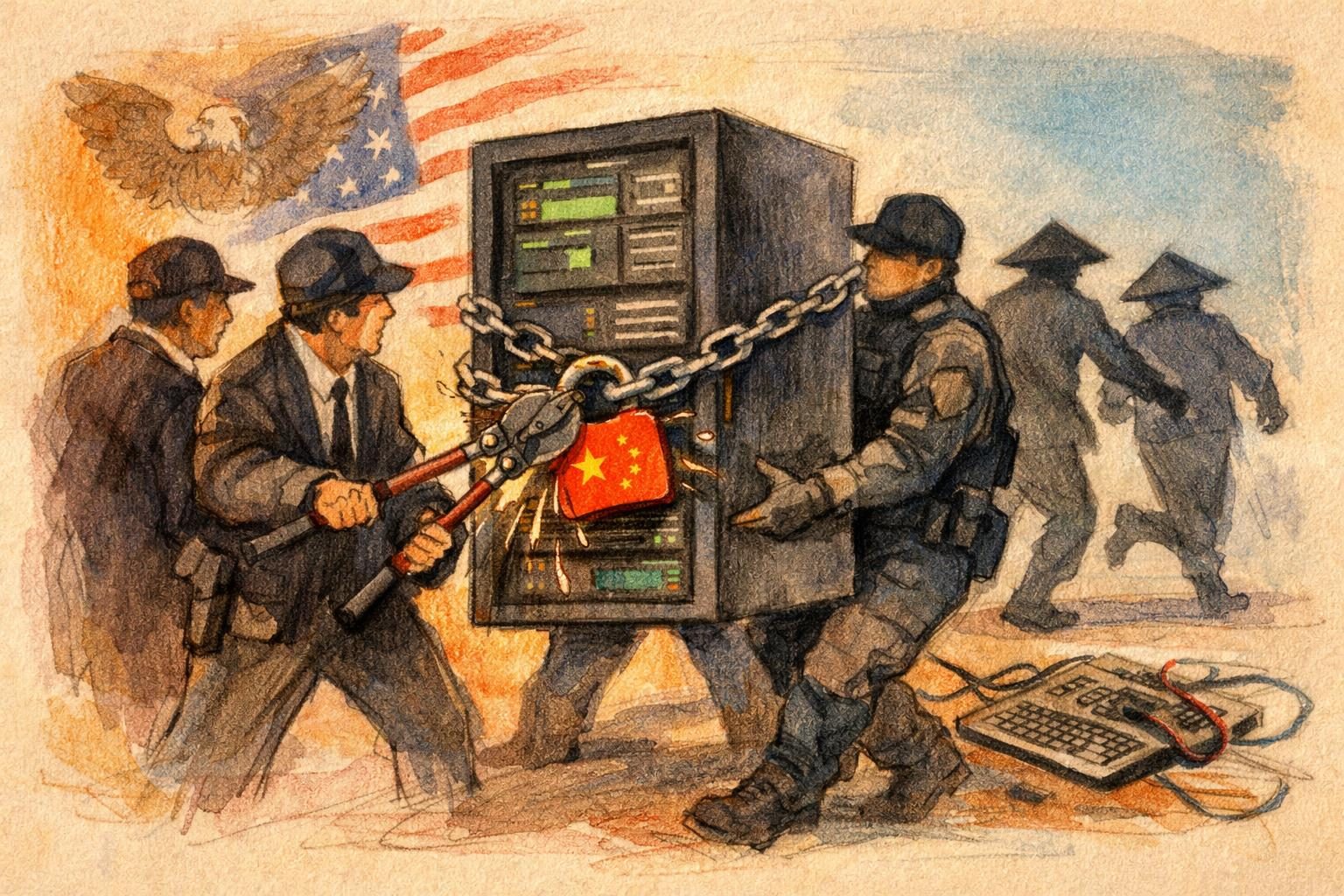
Federal investigators said Wednesday they carried out court-authorized seizures of two hacking platforms, QScan and QTRouter, in a move aimed at disrupting a China-linked operation that had been used to scout U.S. critical infrastructure and other sensitive targets. The Justice Department and the FBI described the action as a direct takedown of tools associated with a state-sponsored group they identify as QTFY, rather than a symbolic attribution exercise or a warning for later. Court documents were unsealed at the same time, giving the public a rare look at the legal machinery behind the disruption. Officials said the infrastructure had been used against networks tied to major federal institutions, which raises the stakes beyond a routine cybercrime case. In practical terms, the government is signaling that it believes the evidence is strong enough to justify not only naming a threat but physically removing part of its operational toolkit.
The seizures matter because platforms like QScan and QTRouter are not the kind of tools that attract attention from the average internet user, yet they can play an outsized role in long-term intrusions. According to the government, the platforms were used to probe systems that matter to the functioning of the country, including infrastructure that supports essential public services and sensitive government operations. That makes the case different from a one-off breach or a random criminal intrusion, because it suggests persistent access efforts against systems where visibility and uptime are critical. Even when an attack does not immediately cause obvious damage, the act of reconnaissance can be enough to create risk later on if the operators return with more refined access. The seizure therefore represents a defensive step meant to interrupt the pipeline from probing to exploitation before it matures into something worse.
The announcement also highlights how often modern cyber conflict sits inside ordinary administrative and commercial structures. Federal officials said the operation was tied to a Chinese company and to the group they call QTFY, which suggests the infrastructure was not just a loose collection of hacked servers but part of a more organized ecosystem. That distinction matters because it implies planning, maintenance, and likely repeated use over time. If the government’s allegations hold, the platforms were built to keep watch, test defenses, and map out weak points in networks that the public tends to think about only when they fail. The fact that court-approved domain seizures were used means investigators believed they had enough evidence to ask a judge to temporarily take control of the online real estate itself. That is a stronger move than an advisory or an attribution statement, and it usually reflects confidence that the operation is sufficiently documented to survive legal scrutiny.
There is still a lot that has not been publicly spelled out, including how long the platforms were active, how many targets were touched, and what level of access the operators may have achieved inside victim systems. Those details may emerge gradually as agencies release more information, notify affected organizations, or follow up with technical guidance. For now, the most immediate significance is that the government has chosen disruption over passive monitoring, and that choice tends to imply a serious concern that the threat would continue if left alone. Agencies that were reportedly among the targets may face scrutiny over what they detected, when they detected it, and how aggressively they responded. That does not automatically make this a political scandal in the traditional sense, but it is an accountability event with obvious national-security implications. If later disclosures show the intrusion set was broader than first described, or that the platforms supported more activity than initially acknowledged, the story could grow considerably from here.
Comments
Threaded replies, voting, and reports are live. New users still go through screening on their first approved comments.
Log in to comment
No comments yet. Be the first reasonably on-topic person here.