
DOJ’s voter-data grab gets knocked back again in Michigan
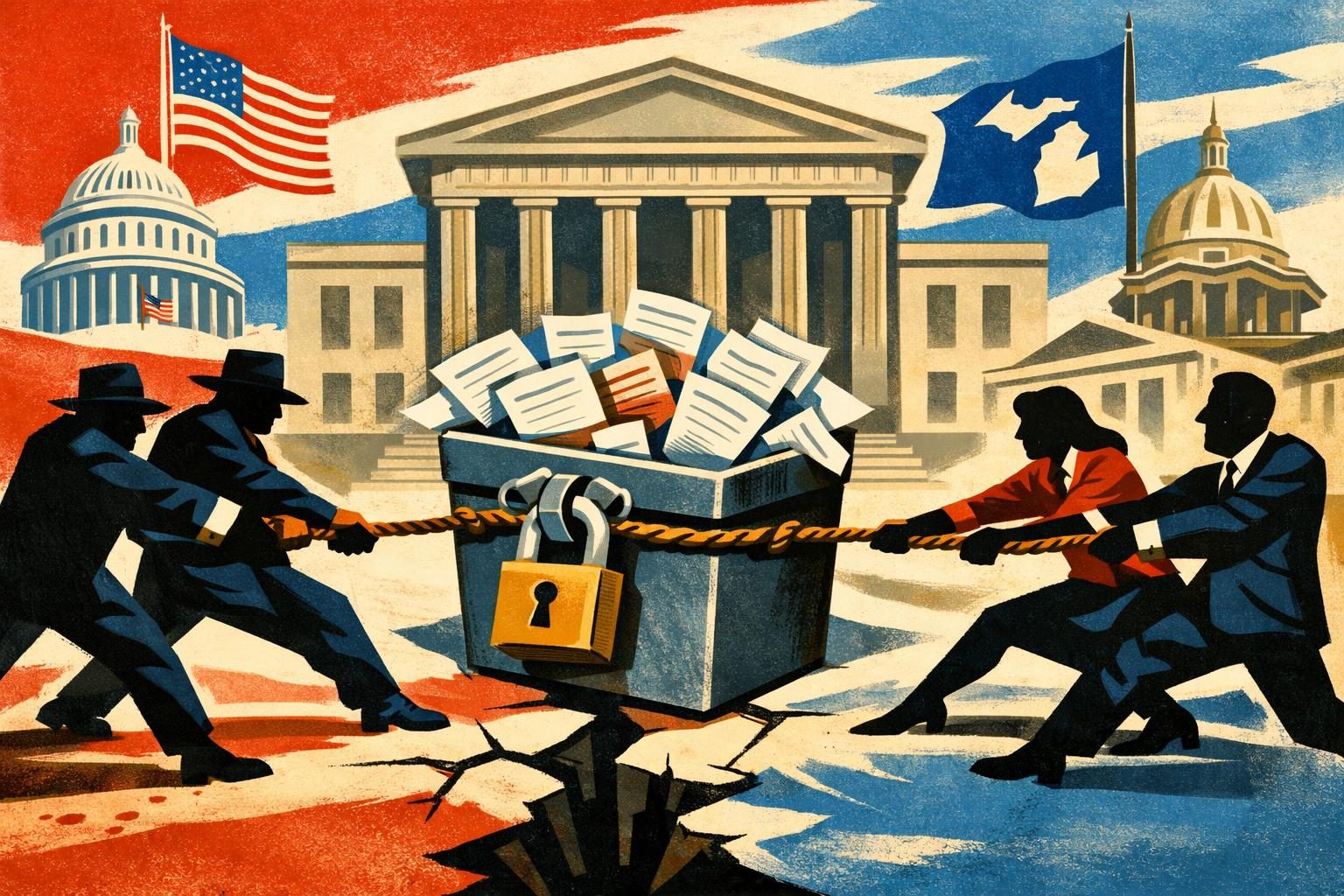
A federal court in Michigan has again turned aside the Justice Department’s bid to revive its effort to obtain a more detailed version of the state’s voter file, leaving the department with another setback in a dispute that has become as much about data control as it is about election law. Michigan officials announced the denial on August 26, saying the court refused to reopen the department’s attempt to press for sensitive voter information after earlier efforts had already been rejected. The ruling does not end the broader argument over what the federal government can demand from state election systems, but it does keep the immediate balance where it has been for months: Michigan in possession of the file, and the Justice Department still on the outside looking in. For state officials, that matters because voter data is not just a stack of records; it is the core administrative infrastructure that elections depend on. For the department, the repeated refusal suggests that the judiciary is not persuaded that the legal basis for broader access has been sufficiently established.
The practical effect of the decision is narrow, but the political and institutional implications are larger. The federal government had sought access to a fuller set of voter records, including information Michigan officials consider sensitive enough to warrant caution before disclosure. State election administrators have treated the demand as an overreach from the start, arguing that they are responsible for maintaining the integrity and confidentiality of the voter rolls they manage. When a federal agency comes back for another try after losing once, and then gets denied again, it can look less like a serious legal clarification and more like an attempt to keep pressing until someone relents. That is not how election officials want these disputes handled, especially when the underlying material affects both privacy and public confidence. Michigan’s announcement framed the ruling as a confirmation that the department had not earned the access it was seeking, and the court’s response appears to have reinforced that view.
The case fits into a broader fight over election data that has become a recurring flashpoint between the Trump administration and Democratic-led states. In those disputes, the surface issue is usually technical: who gets what information, under what authority, and with what safeguards. But the stakes are obviously broader, because voter files are tied to registration maintenance, list accuracy, and the public’s confidence that election systems are not being used as a political lever. State officials have not treated the federal inquiry as routine oversight, and they have not spoken about it as a neutral information request either. Instead, they have presented it as a test of how far Washington can go in prying into systems that states administer themselves and are expected to protect. That is why the latest denial drew attention even though the immediate legal consequence is limited. It signals that the court is still willing to check the federal government’s reach, even in a politically charged environment where both sides are inclined to read each filing as a referendum on control of elections.
The optics of the fight are especially pointed because it is happening in a climate where almost any election-related dispute is treated as a preview of the next one. Officials in Michigan are signaling that the issue is not just about this single file or this one request; it is about the principle that states should not be forced to turn over broad voter data simply because a federal agency wants a deeper look. That position resonates with election administrators who see privacy and trust as inseparable from the mechanics of registration and voting. If people start believing that voter information can be swept up too easily, or that the federal government can repeatedly push for access without a clear and durable justification, the system absorbs the damage even if no single database is actually compromised. The department, meanwhile, appears to have little to show for its efforts beyond a string of adverse rulings and a growing sense that the legal path it chose is not producing the result it wanted. Whether it will keep pressing, refine its legal theory, or move on to other avenues remains uncertain, but the repeated rebuffs suggest the courts are not eager to hand over a broad election-data win on the government’s terms.
There is also a more mundane but important point here: election administration works best when the rules are stable, the responsibilities are clear, and the people managing the process are not forced into constant defensive litigation over the basic contents of their own records. That is what makes this dispute more consequential than a simple paperwork quarrel. Michigan officials are effectively saying that the federal government has not justified why it should receive a fuller voter file, and the court has so far agreed. The department’s loss does not settle every question about federal authority over election data, but it does reinforce the idea that such authority has limits, especially when sensitive information is involved. For now, Michigan keeps its data protections intact, and the Justice Department remains stuck in a case that has not yielded the breakthrough it sought. In an area of government where trust is already fragile, even a narrow loss can have an outsized effect, because each failed push for access encourages the suspicion that the request was broader than it needed to be or weaker than it was made to sound.
Comments
Threaded replies, voting, and reports are live. New users still go through screening on their first approved comments.
Log in to comment
No comments yet. Be the first reasonably on-topic person here.