
Education Department Sends Schools a Parent-Rights Warning Shot
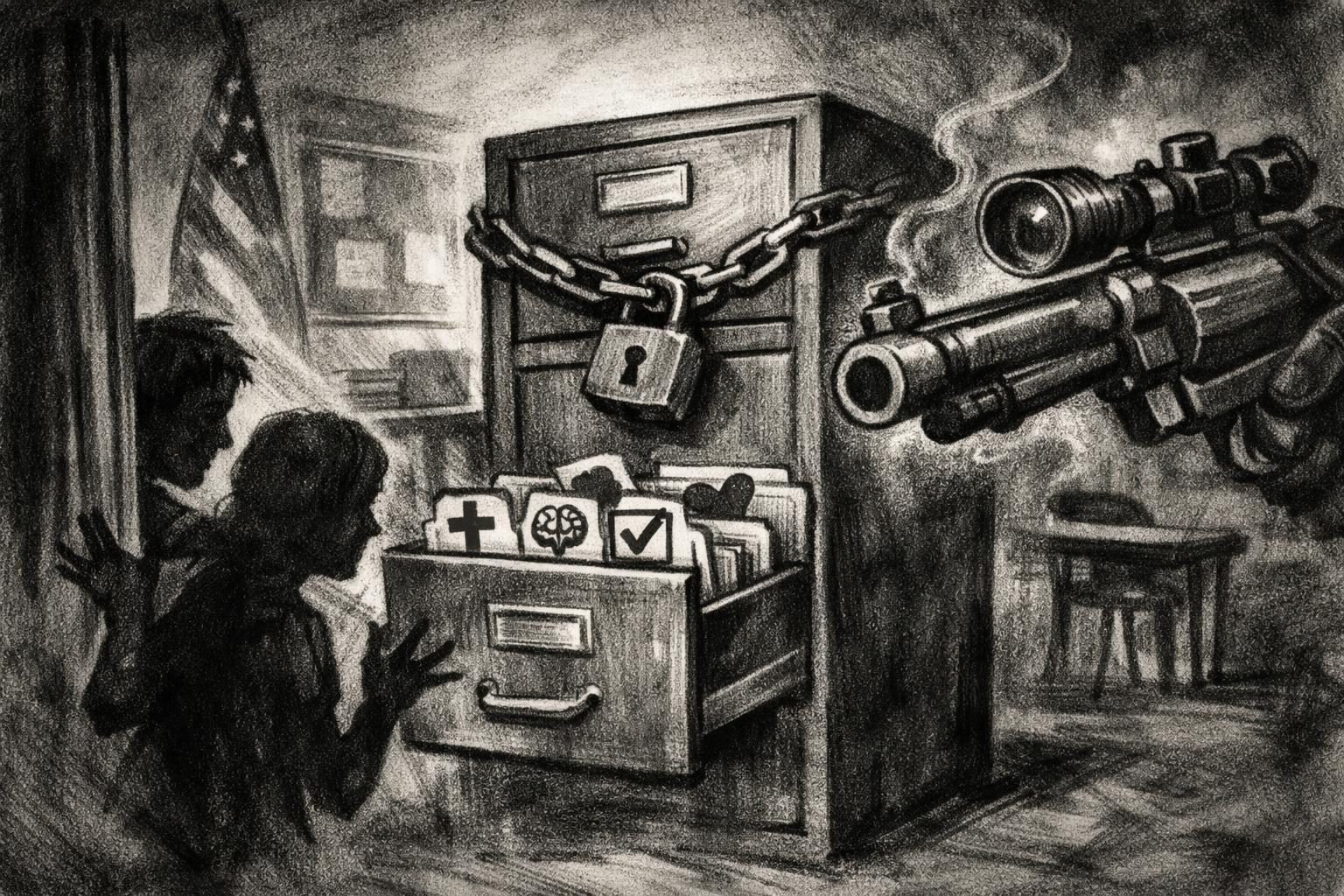
The Education Department on Aug. 26 issued a fresh reminder to state and local education agencies that the federal government expects schools to follow long-standing student privacy rules, including the Family Educational Rights and Privacy Act and the Protection of Pupil Rights Amendment. On paper, the notice reads like a compliance refresher. In practice, it lands like a warning shot aimed at districts that have spent the past few years navigating heated disputes over what schools can ask students, what parents can see, and how much room administrators have to collect sensitive information in the classroom or through school-sponsored surveys. The department said schools must continue to honor the obligations attached to student records and to parental rights under federal law. That includes recognizing that certain categories of information are not routine housekeeping matters and cannot be treated that way. The timing matters because privacy fights in education have become increasingly tangled up with broader arguments over school culture, curriculum, and the role of parents.
The notice specifically points schools back to the limits imposed by FERPA and PPRA when students are asked to provide information about political beliefs, mental or psychological health, sex behavior or attitudes, and religious beliefs. Those are not the kinds of topics that can be tossed into a survey packet or classroom evaluation without consequences. Under the federal framework the department is invoking, schools generally need written parental consent before pushing students into certain surveys or assessments that probe those areas. That requirement may sound obvious to lawyers and administrators, but the reminder suggests the department thinks some schools either need a refresher or need a sharper nudge. The message is less about inventing a new rule than about emphasizing that the old ones still apply, even as districts experiment with more data collection and more sophisticated student-support systems. The memo also reflects a broader federal posture that sees parental notification and consent as central to student privacy when the subject matter gets personal or politically sensitive.
For school systems, the practical burden is not just legal theory but paperwork, training, and risk management. Districts already have to sort through a steady flow of forms, permissions, disclosures, and vendor arrangements, and a federal reminder like this can force them to review whether their current practices are as tight as they think they are. Surveys used for counseling, wellness, climate assessments, demographic research, or classroom planning can drift into sensitive territory quickly, especially if they are written broadly or administered through outside platforms. The department’s warning means administrators may need to recheck which instruments require consent, how notices are delivered to families, and whether staff members understand the difference between ordinary educational information and protected material. Any district that has been moving quickly on student data collection, or relying on assumptions about what counts as harmless, now has reason to slow down and look again. In an environment where parents are more likely than ever to challenge school decisions, even routine compliance failures can become public fights.
The larger political backdrop helps explain why a memo like this has such sharp edges. Student privacy has become one of the places where federal law, local school policy, and culture-war politics overlap most awkwardly. Parents who want more say over what their children are asked at school often frame the issue as transparency and consent, while school leaders tend to frame it as balancing privacy, student support, and administrative flexibility. The Education Department’s reminder does not resolve that conflict, but it does tilt the conversation toward formal rights and statutory boundaries. That may reassure families who worry that schools are collecting sensitive information without enough oversight, and it may frustrate educators who see another layer of compliance pressure in already crowded school operations. Either way, the memo reinforces the idea that student data is not just a technical issue for district legal teams. It is now part of the broader struggle over trust in public education, and that struggle is unlikely to get any calmer soon.
Comments
Threaded replies, voting, and reports are live. New users still go through screening on their first approved comments.
Log in to comment
No comments yet. Be the first reasonably on-topic person here.