
Education Department turns parental rights into a fresh school culture-war cudgel
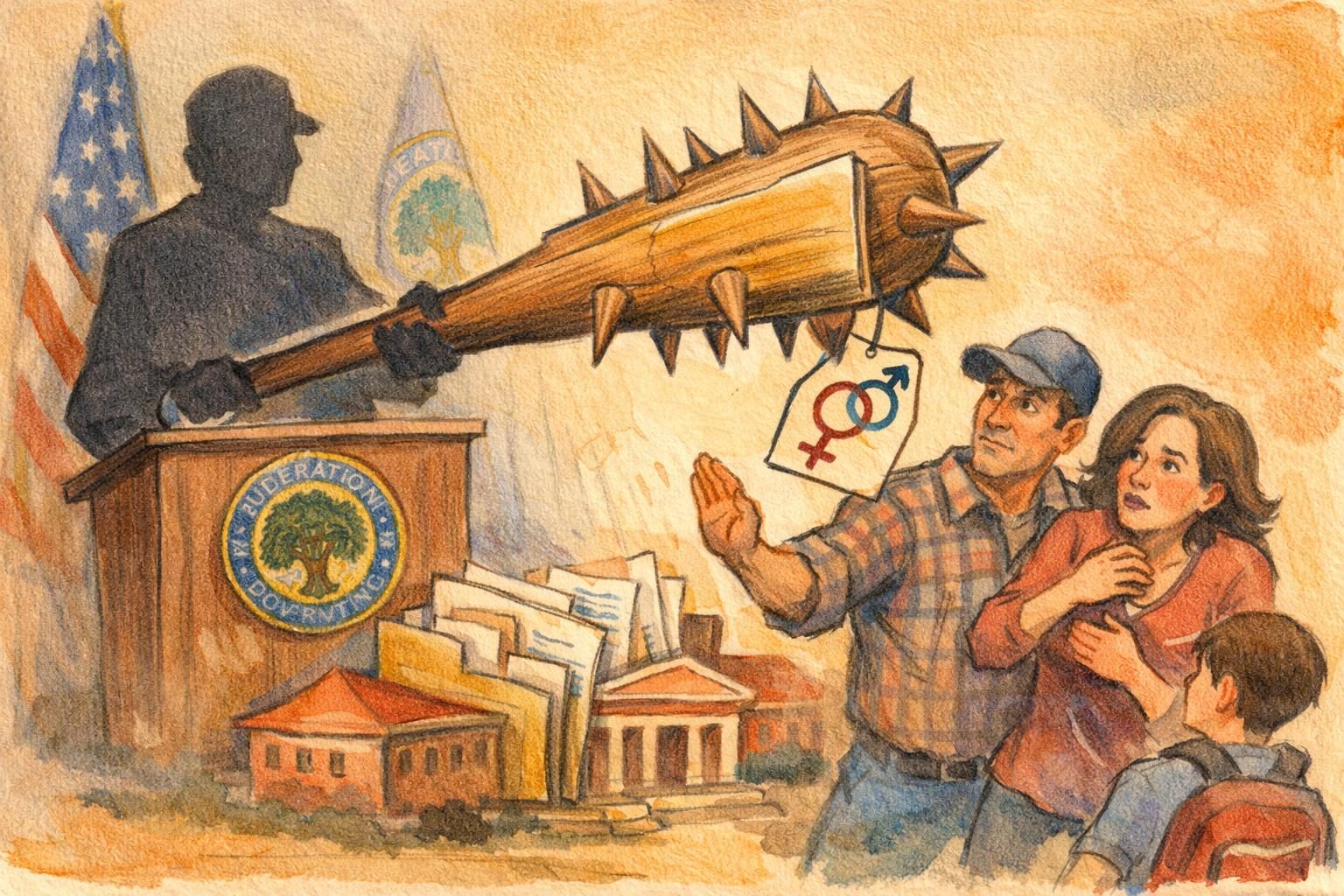
On August 26, the Education Department put out a new Dear Colleague letter reminding schools that parents have rights under the Family Educational Rights and Privacy Act and the Protection of Pupil Rights Amendment, and warning that schools that block those rights could put federal money at risk. On its most basic level, that is not a novel move. Federal agencies routinely send out compliance guidance to districts that take public dollars, and schools are already expected to follow the law when it comes to inspecting education records, handling sensitive information, and giving parents access to material they are entitled to see. But this letter was not presented as a dull administrative refresher, and that is where the political temperature starts to rise. The department framed the guidance as part of a broader push to stop schools from keeping parents in the dark about matters involving students’ gender identity and related records, turning a standard reminder about privacy law into something much more charged. That does not change what FERPA and PPRA say, but it does change the public meaning of the memo. Instead of reading like a straightforward compliance notice, it lands like a warning shot in the middle of the administration’s larger campaign against schools it sees as too secretive and too ideologically cautious for its taste.
That framing matters because the administration is not simply talking about paperwork or record requests. It is using the language of parental rights to place schools on the defensive in one of the country’s most combustible cultural fights, where disputes over gender, classroom policy, and family authority are already fused together. Parents do have real legal protections under federal privacy law, and there is no serious argument that those protections should be ignored. Schools that receive federal funding cannot just invent their own rules for disclosure and pretend the law stops at the district office door. Yet the way this guidance is being marketed suggests something larger than a dry enforcement reminder. The message is that schools have too much discretion, too much secrecy, and too little accountability to parents, and that the federal government is prepared to step in as the enforcer. That is a politically useful posture because it lets the administration cast itself as the guardian of families while casting educators and administrators as gatekeepers. The problem is that this approach also assumes bad faith on the part of schools before any specific violation has been shown. In practice, that makes a compliance question feel like a moral indictment.
The likely pushback is not hard to imagine. School districts, civil-liberties advocates, and many educators will almost certainly argue that the department is using privacy law as a weapon in a broader ideological struggle, one that risks dragging local schools into endless conflict over how to handle sensitive student information. They are likely to say that rigid federal pressure could make it harder for schools to deal carefully with complicated situations involving minors, family conflict, and confidentiality, especially when students may be vulnerable or when parents and school officials are already at odds. At the same time, the department appears to believe that it is responding to a real and widespread problem: that some parents have been shut out of information they believe they have a right to see. The letter does not need to prove every allegation in detail to make that claim politically potent, because the broader idea resonates with parents who already feel schools have become opaque institutions. That is why the memo matters beyond its legal text. It is a signal that the administration wants to keep school policy tethered to suspicion rather than trust, and it is comfortable using the threat of funding consequences to make that point stick. Whether that pressure produces cleaner compliance or just deeper resentment will depend on how aggressively the department decides to follow up.
For now, the fallout is likely to be institutional rather than immediate, but that does not make it small. Districts may review record-access policies, retrain staff, and revisit how they handle requests from parents who want to inspect files or challenge what is being withheld. Some systems will probably move quickly to tighten procedures so they can show they are in compliance if the department comes knocking. Others may wait, resist, or prepare for legal challenges if they believe the guidance goes beyond what the law actually requires. Either way, the administration has found another way to use federal education power to shape a national argument about family authority and school transparency. It is a familiar political tactic: announce that you are defending parents, warn that bureaucrats are standing in the way, and turn ordinary oversight into a loyalty test. The real question is not whether schools should follow federal privacy law, because they should. The question is whether this administration is interested in solving specific compliance problems or simply in keeping the education system locked in a permanent culture war where every records request becomes a referendum on who gets to control children’s lives.
Comments
Threaded replies, voting, and reports are live. New users still go through screening on their first approved comments.
Log in to comment
No comments yet. Be the first reasonably on-topic person here.