
Education Department leans harder on parental rights, and schools are the ones in the crosshairs
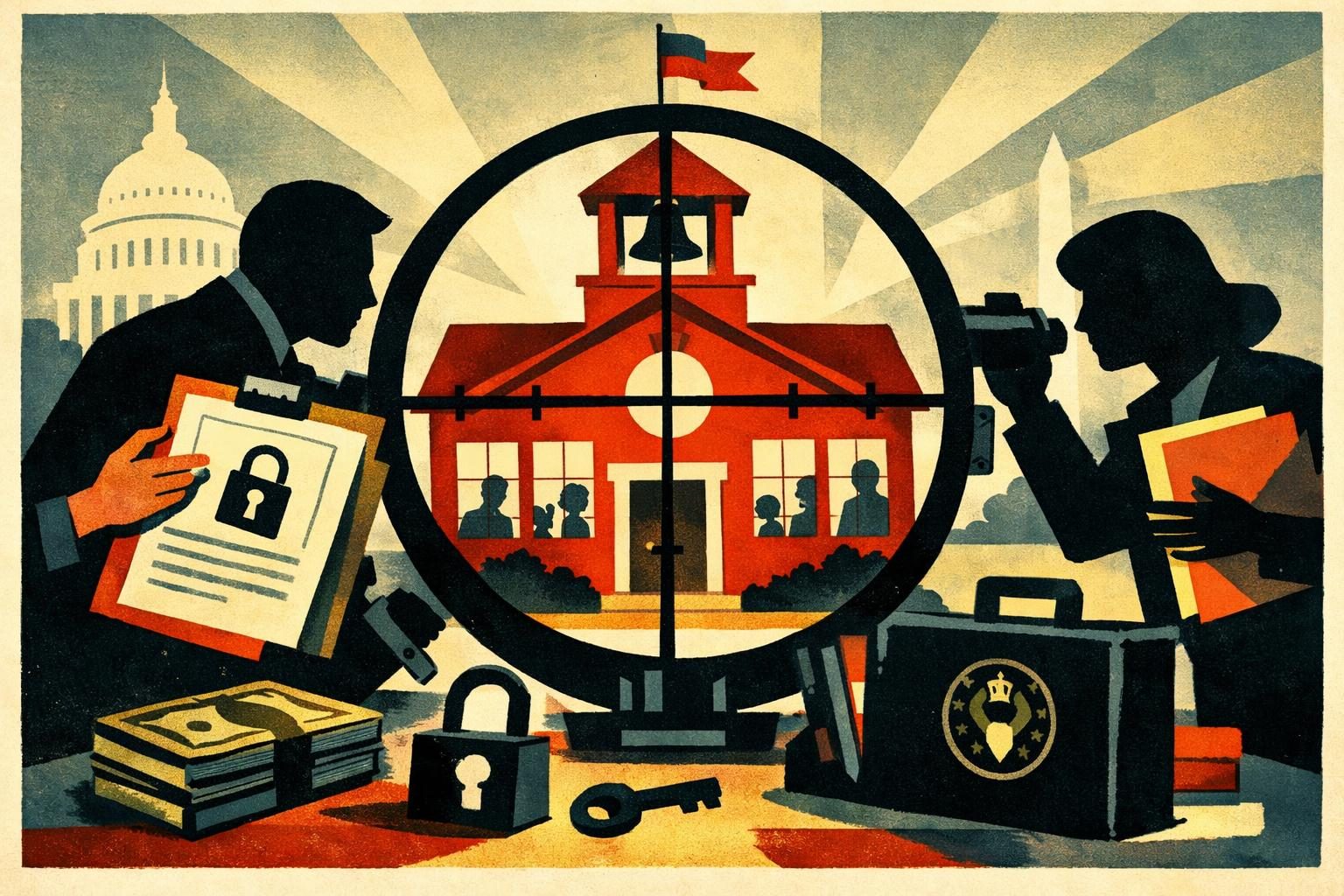
The Education Department is putting schools on notice that parental-rights rules are not optional housekeeping items, and that the consequences for getting them wrong can reach all the way to federal money. In a new Dear Colleague Letter released on August 26, the department’s Student Privacy Policy Office reminded state and local education agencies that receive federal funds that they are expected to comply with the Family Educational Rights and Privacy Act, better known as FERPA, and with the Protection of Pupil Rights Amendment. The message is straightforward on its face: parents have a legal right to review educational records, and schools that block access, delay responses, or otherwise fail to meet those obligations can face enforcement trouble. But the timing and tone suggest something more pointed than a routine compliance reminder. With the new school year getting underway, the department is sending a warning that the privacy and parental-consent issues long simmering in district offices are now back in the spotlight.
What makes the guidance feel sharper than a standard bureaucratic note is the way it frames those rules as leverage. The department says compliance failures can jeopardize federal funding, a phrase that carries real weight for districts already balancing tight budgets and a complicated web of mandates. FERPA has long governed access to student records, but the letter’s emphasis signals that the administration wants school systems to treat record requests, disclosure rules, and parental review rights as active legal duties rather than administrative chores. The same is true for the Protection of Pupil Rights Amendment, which places limits on how schools handle certain surveys and information gathering involving students. By restating those obligations in a public warning, the department is making clear that schools should not assume past habits or local policy shortcuts will be enough if federal officials decide to look more closely. The practical result is a climate where districts that once treated privacy compliance as a back-office matter may now have to treat it like a front-line risk.
The letter also sharpens the department’s view of what counts as a required survey, and that detail matters because it narrows the room schools have had to rely on opt-out systems. Under the department’s reading, some surveys cannot simply be placed in front of families with an opt-out box attached; if parental consent is legally required, then opt-out policies are not sufficient. That distinction may sound technical, but in school systems it can decide whether a district is following the law or inviting a complaint. It also touches a live nerve in many communities, where parents have increasingly scrutinized classroom forms, health-related questionnaires, social-emotional screening tools, and other information-gathering efforts they believe should not happen without their approval. The department is not saying every survey is a problem, and it is not rewriting federal law in the letter, but it is signaling a stricter posture toward when consent is mandatory and when notice alone will not do. For districts, that means the safest assumption is likely to be that more internal review is needed before any form goes out to students.
There is also a clear political edge to the timing, even if the document itself is written in the language of compliance. The administration has been openly critical of school districts it says have hidden records or conducted surveys without proper consent, and this guidance fits that broader effort to pull schools back into a tighter parental-rights framework. That does not necessarily mean every district is under immediate investigation, but it does mean the federal government is drawing a line and asking schools to notice it. The “Dear Colleague” format is often used to remind institutions of existing obligations, yet it can also function as a warning shot when officials want to influence behavior before formal enforcement starts. In that sense, the letter is less a neutral memo than a signal that the department is prepared to test how seriously schools take parent access, consent rules, and privacy protections. District leaders who have grown used to flexible interpretations or locally customized practices may now be forced to revisit them quickly.
For school systems, the immediate challenge is not just legal but operational. Administrators have to make sure records policies are consistent, staff members know what parents can request, and forms tied to surveys or screenings are reviewed for consent requirements before they are handed out. Mistakes in any of those areas can create complaints, delays, or federal attention at precisely the moment schools are juggling staffing issues, schedules, and the beginning of a new academic year. The broader implication is that privacy and parental-rights compliance may become one of the defining administrative headaches of the fall. Districts that already expected scrutiny now have reason to believe the microscope is getting closer, and schools that assumed these rules were mostly procedural may need to recalibrate fast. The department’s message is that federal dollars come with strings, parents have enforceable rights, and schools that ignore either one may find out the hard way that this is no longer an abstract policy debate.
Comments
Threaded replies, voting, and reports are live. New users still go through screening on their first approved comments.
Log in to comment
No comments yet. Be the first reasonably on-topic person here.