
FAA proposes $127,500 penalty against Ameriflight over drug and alcohol testing lapses
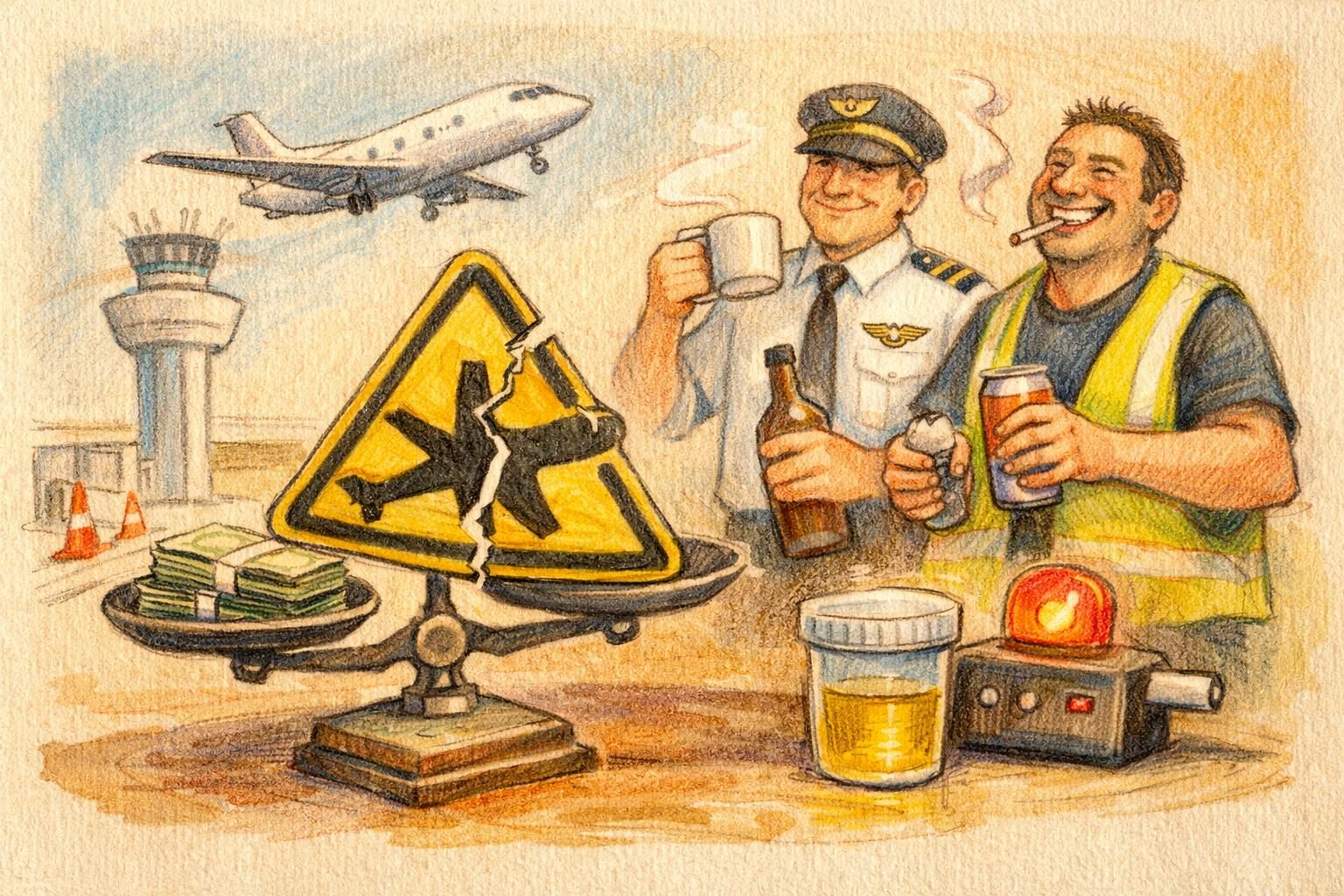
The Federal Aviation Administration is proposing a $127,500 civil penalty against Ameriflight after saying the cargo airline failed to include a pilot and a mechanic in its random drug and alcohol testing pool and still allowed them to perform safety-sensitive work. The alleged lapses, according to the agency, stretched from late 2024 through mid-2025, giving the case the feel of a prolonged compliance breakdown rather than a one-time administrative mistake. In aviation, that distinction matters because testing programs are not treated as box-checking exercises; they are part of the basic architecture regulators use to keep crews, aircraft, and the public out of trouble. A missing name in a pool may sound mundane, but in a safety regime built on documentation, timing, and accountability, the mundane can become the meaningful failure. The FAA’s proposal is not a finding of guilt by itself, but it does signal that the agency believes the alleged conduct was serious enough to merit a formal penalty.
The central concern is not the dollar amount, which is relatively modest for an airline, but the risk exposed when a testing program does not function as intended. Random drug and alcohol testing is designed to create an unpredictable check on employees in safety-sensitive positions, especially in industries where a lapse can have consequences far beyond the workplace. If a pilot or mechanic is omitted from the required pool, the system’s deterrent effect weakens and the oversight framework no longer operates evenly across the workforce. That is why regulators tend to treat these cases as more than paperwork errors, even when no accident or operational incident is tied directly to the violation. The FAA’s message is that compliance with testing rules is itself a safety obligation, not an optional internal policy. In other words, the agency is policing the process because the process is one of the things standing between routine operations and preventable disaster.
The allegations also highlight how much aviation safety depends on invisible administrative machinery that rarely gets public attention until something goes wrong. Cargo carriers like Ameriflight operate in a sector where deadlines are tight, aircraft are constantly moving, and maintenance and flight crews have to be managed with precision. That environment makes it easy for a testing program to become one more item on a long compliance checklist, but regulators are clearly saying that such drift is unacceptable. A system that misses a required worker for months at a time raises obvious questions about how the company tracks personnel, updates its testing pool, and verifies that safety-sensitive employees are covered. The FAA has not suggested in the public penalty notice that the two workers were impaired, only that they were allegedly excluded from the random testing pool and were still permitted to carry out duties subject to the rule. Even without a separate operational event, that is enough for enforcement because the violation is tied to the integrity of the safety system itself.
Ameriflight has 30 days to respond, so the case is still in the early bureaucratic stages and could develop further depending on how the company chooses to contest or resolve the matter. The carrier could accept the penalty, negotiate, or challenge the agency’s allegations, and the final outcome may differ from the proposed amount. Still, the public notice already frames the issue in a way that suggests the FAA sees a substantive lapse rather than a technical misread of the rules. For aviation workers and safety monitors, the case is another reminder that regulators often spend more time on the quiet failures than on the dramatic ones, because quiet failures are what keep accumulating until they no longer stay quiet. The fine may be small by airline standards, but the broader warning is not small at all: if a carrier is responsible for safety-sensitive personnel, it is also responsible for making sure the guardrails around those personnel are real, current, and enforced.
Comments
Threaded replies, voting, and reports are live. New users still go through screening on their first approved comments.
Log in to comment
No comments yet. Be the first reasonably on-topic person here.