
Federal Circuit clears out a trio of orders as case pressure keeps building
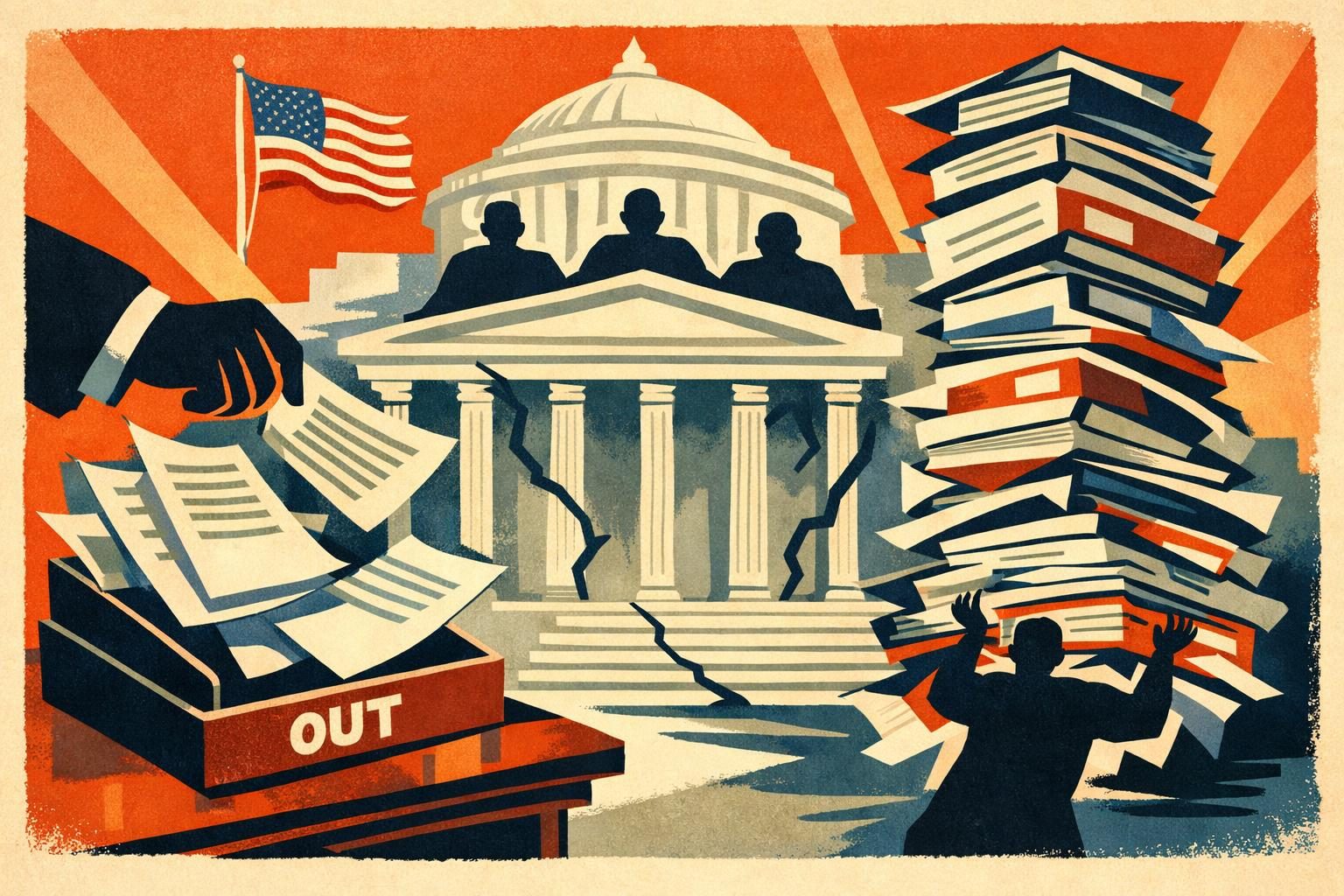
On August 26, the U.S. Court of Appeals for the Federal Circuit posted new orders in Vallejo v. United States, Kim v. United States, and Schofield v. Collins, adding a small but real update to a court docket that continues to carry disputes with practical consequences. The orders are not splashy on their face, and they do not read like the kind of developments that usually break through into the public conversation. But they are still current judicial action, and that matters in a moment when federal litigation is not standing still. Cases involving the federal government, military-related questions, benefits disputes, and other claims that can affect people’s daily lives keep moving through the system one order at a time. Even when the paperwork is terse, it can still determine whether a case advances, stalls, or disappears into procedural limbo.
That is part of why these kinds of orders deserve attention even when they look routine. The federal courts are often the place where disputes over government conduct get filtered, narrowed, or delayed, and the Federal Circuit sits in a particularly consequential position because of the types of matters that land there. A short order may not explain itself in a way that feels satisfying to outside observers, but it can still carry significant weight for the parties involved. In practical terms, an order can decide whether an appeal survives long enough to reach the merits, whether a procedural obstacle gets cleared, or whether the issue is pushed back for another round of litigation. For people waiting on relief, that distinction is hardly academic. A case that remains alive keeps hope alive, while a case that is cut off by procedure can leave the underlying dispute unresolved for a long time, or forever.
The public interest here is less about the dramatic content of any one order and more about the pattern it reflects. Federal courts are still actively processing disputes tied to state power, agency action, compensation, and institutional decision-making, even if that work happens in language that can seem opaque to anyone not already steeped in the legal system. That opacity is itself part of the problem. Court systems are nominally public, but they often function in a way that makes it difficult for ordinary people to see what is changing, who is affected, and why a matter has moved the way it has. Terse orders can be especially hard to read from the outside, which makes it easier for important decisions to pass without wider scrutiny. In cases involving the government, that matters even more, because the government usually has more resources, more institutional continuity, and more ability to wait than the individuals on the other side.
So while this latest batch of orders does not announce a major doctrinal shift or a headline-grabbing ruling, it still fits into a broader picture of a judiciary that is actively shaping live disputes in real time. The courts are not simply an abstract backstop; they are one of the mechanisms by which federal power is tested, constrained, and occasionally allowed to stand. Procedural decisions can be decisive in that process, even when they are brief enough to be overlooked by anyone not watching the docket closely. That is why an update like this is worth flagging now: it is new, it is current, and it is part of the ongoing work of the federal system. In a legal environment where delays, procedural dismissals, and quiet docket management can be as consequential as full opinions, even a modest order can matter a great deal to the people whose cases are still in motion.
Comments
Threaded replies, voting, and reports are live. New users still go through screening on their first approved comments.
Log in to comment
No comments yet. Be the first reasonably on-topic person here.