
DOJ hits KKR with record $250 million penalty for serial merger-law violations
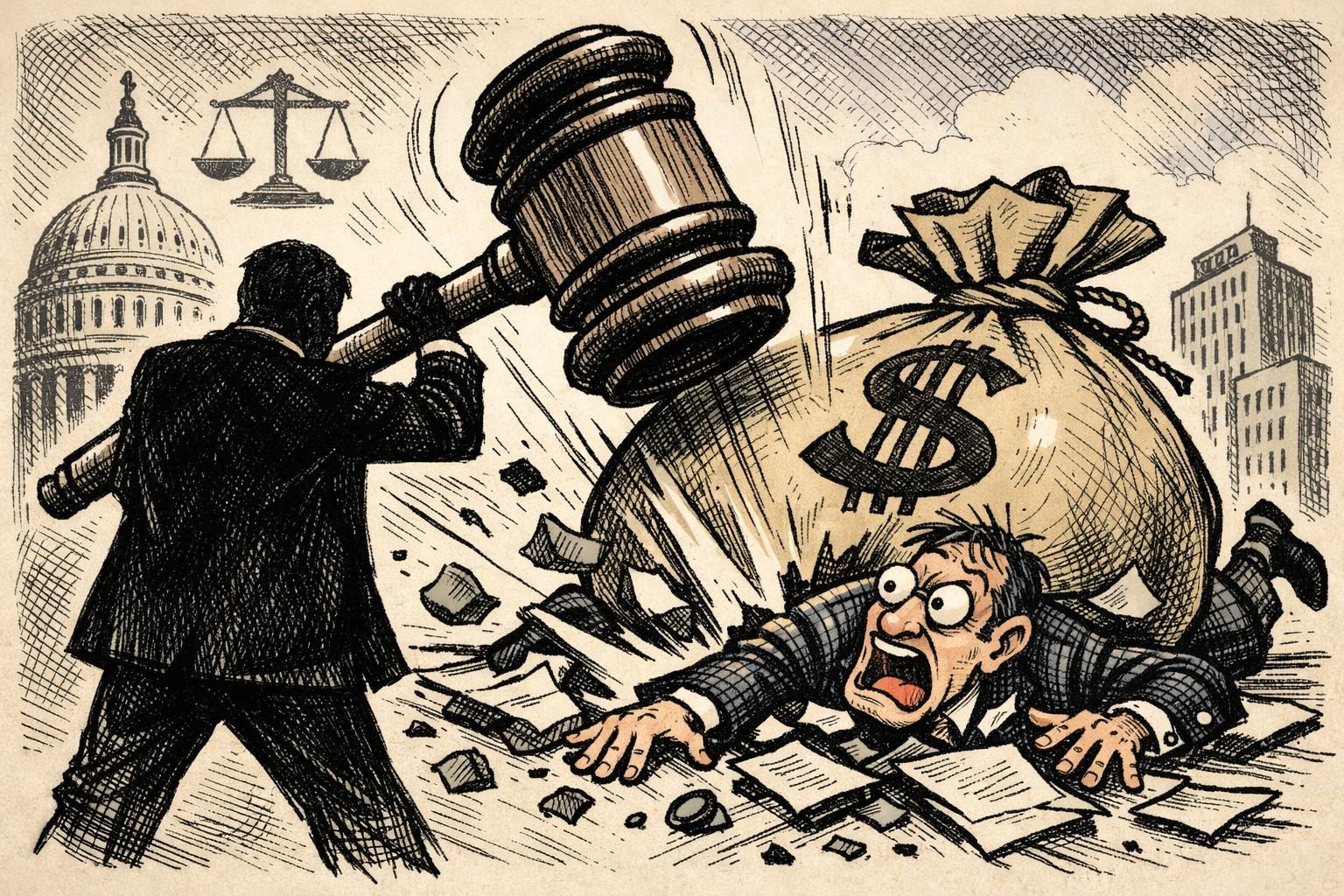
The Justice Department on August 26 said KKR has agreed to pay a record $250 million penalty after what federal officials described as repeated violations of the premerger filing rules that are meant to put big deals under antitrust scrutiny before they close. The case centers on the Hart-Scott-Rodino Act, the filing system that requires companies to notify regulators about certain mergers and acquisitions and wait for review before moving ahead. According to the government, KKR failed to comply with those requirements across at least 16 transactions, creating a pattern that regulators say was more than a paperwork slip. The department framed the matter as a serious enforcement action, not a minor compliance dispute, and the size of the penalty makes clear it intends the settlement to resonate far beyond one private equity firm. For an industry that lives and dies by deal speed, the message is blunt: the filing clock is not optional, and ignoring it can become extremely expensive.
What makes the case notable is not simply that a large firm paid a large sum, but that federal officials say the conduct was repeated. Premerger review exists so antitrust enforcers can examine potential competitive harms before transactions are completed and market structures are changed in ways that can be difficult to unwind later. If companies try to sidestep that process, they may gain a short-term advantage, but they also deprive regulators of one of the few practical tools available before a deal is done. The government’s complaint says the violations involved at least 16 transactions, which suggests a systematic breakdown rather than a one-off mistake. That distinction matters because enforcement agencies tend to treat deliberate or recurring filing failures much more seriously than isolated errors, especially when the party involved is a sophisticated financial sponsor with substantial legal resources. The penalty is also unusually large by any measure, signaling that regulators want the market to understand that repeated noncompliance will not be absorbed as a routine cost of doing business.
For private equity firms, the broader warning may be even more important than the specific dollar figure. These firms often move quickly, structure transactions creatively, and rely on teams of lawyers and advisers to keep the machinery running on schedule. That speed can be an asset in competitive bidding, but it can also create pressure to treat compliance as something to be managed after the fact rather than built into the front end of a deal process. Federal regulators have increasingly argued that sophisticated firms know how to exploit procedural gaps, and that those gaps can let market concentration rise before anyone has a chance to object. A record penalty against a marquee name is therefore meant to do more than punish misconduct; it is supposed to alter behavior across the dealmaking ecosystem. If dealmakers believe filing failures will trigger real financial consequences, they are more likely to slow down, disclose properly, and accept that antitrust rules come before closing, not after.
The political context also gives the settlement extra weight. Antitrust enforcement has become a prominent part of the broader conversation about economic power, market concentration, and whether large firms are able to outrun oversight through scale, complexity, and legal sophistication. Regulators have spent years warning that concentrated industries can leave consumers and workers with fewer choices, weaker bargaining power, and fewer avenues for accountability. In that environment, a record settlement against a private equity giant reads as a deliberate demonstration of force. It tells other firms that technical-sounding violations can still carry major consequences if the government concludes they are part of a pattern. It also raises the possibility that enforcement officials are willing to pursue more aggressive remedies when they believe repeat violations have undermined the integrity of the review process. Whether this becomes a one-off headline or the start of a broader crackdown is still an open question, but the signal is hard to miss. The federal government has now shown that if a firm treats merger disclosure rules as optional, the price can be measured in hundreds of millions of dollars rather than in a manageable fine and a stern warning.
Comments
Threaded replies, voting, and reports are live. New users still go through screening on their first approved comments.
Log in to comment
No comments yet. Be the first reasonably on-topic person here.