
Massachusetts state representative charged in pandemic-loan fraud case
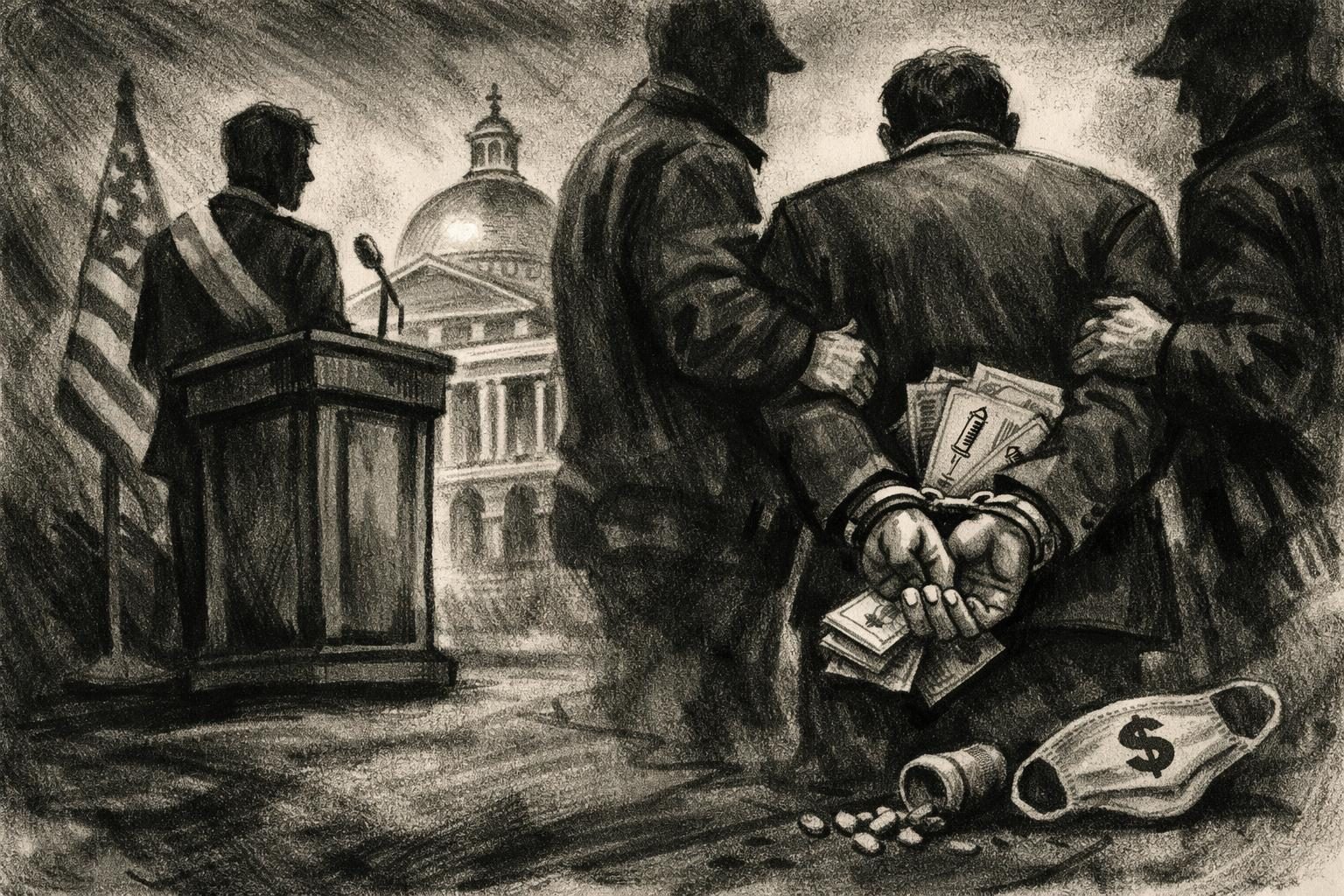
Federal prosecutors in Massachusetts say state Rep. Francisco Paulino was arrested and indicted on Aug. 26, 2026, in a case that puts a sitting lawmaker at the center of a pandemic-relief fraud investigation. According to the indictment, Paulino is accused of fraudulently obtaining more than $700,000 in unemployment and small-business benefits tied to the COVID era and then using that money for real-estate and lending activity. Prosecutors say the alleged conduct happened before he was elected to office, but that detail does little to dull the political impact of the case. A state representative facing accusations of siphoning off emergency aid immediately raises the kind of public-corruption alarms that are hard to ignore. Even if the alleged scheme predates his time in office, the optics of a current elected official being dragged into a federal fraud case are as damaging as they are uncomfortable.
The Justice Department has framed the case as part of a broader effort to police pandemic-era fraud and recover misspent public money, and this indictment fits squarely into that campaign. In the years since COVID emergency programs were rolled out, federal investigators have been combing through relief claims, loan applications, and benefit records looking for false statements, forged documents, and money that was routed into personal or speculative uses. That crackdown is not limited to one type of defendant or one category of misuse; it has included business owners, benefit applicants, shell companies, and in some cases people who built elaborate schemes around programs that were meant to keep workers and small firms afloat. The government has also been making a point of showing that pandemic fraud is still an active enforcement priority rather than a closed chapter from a chaotic period. In that sense, the Paulino case is not just about one man’s conduct, but about the continuing effort to prove that emergency programs can still be audited after the fact and that the passage of time will not necessarily erase liability.
The public significance of the case is larger than the criminal allegations alone because it lands in a climate already marked by skepticism about government stewardship, misuse of public funds, and uneven accountability. Relief programs were designed to move quickly under extraordinary conditions, and that speed created obvious opportunities for abuse as well as inevitable mistakes. When an elected official is accused of exploiting those systems, the story takes on an extra layer of distrust: it suggests that the people tasked with representing the public were not simply beneficiaries of the system, but may have been willing to game it for private gain. That distinction matters politically because fraud cases involving lawmakers tend to feed a familiar and damaging narrative that government protects insiders while demanding discipline from everyone else. It also gives prosecutors a vivid example they can point to when explaining why pandemic-fraud enforcement remains necessary. The message is blunt: emergency money was not free money, and the federal government is still willing to revisit old claims if the paper trail suggests deception.
For Massachusetts politics, the fallout is likely to be immediate and messy, even before the criminal case reaches any substantive stage. A felony indictment against a sitting representative creates pressure not only on the accused but also on colleagues who must decide how quickly to distance themselves, what leadership responses are appropriate, and whether any internal disciplinary action is warranted. The case may also intensify public frustration with political ethics at a time when voters are already primed to view corruption allegations as proof that institutions are not working as advertised. Paulino will now have to defend his name in federal court, where prosecutors will attempt to show that relief money was obtained improperly and then moved through transactions that went beyond any legitimate need. The government’s broader fraud campaign suggests this will be presented as both accountability and deterrence, a warning that pandemic-era misconduct can still produce present-day consequences. Whatever the eventual outcome, the headline facts are severe enough on their own: a state lawmaker has been accused of abusing COVID relief systems, and that is the sort of case that can turn a local indictment into a national example of public trust gone wrong.
Comments
Threaded replies, voting, and reports are live. New users still go through screening on their first approved comments.
Log in to comment
No comments yet. Be the first reasonably on-topic person here.