
States Lock In a Giant Meta Settlement After Years of Alleged Youth Harm
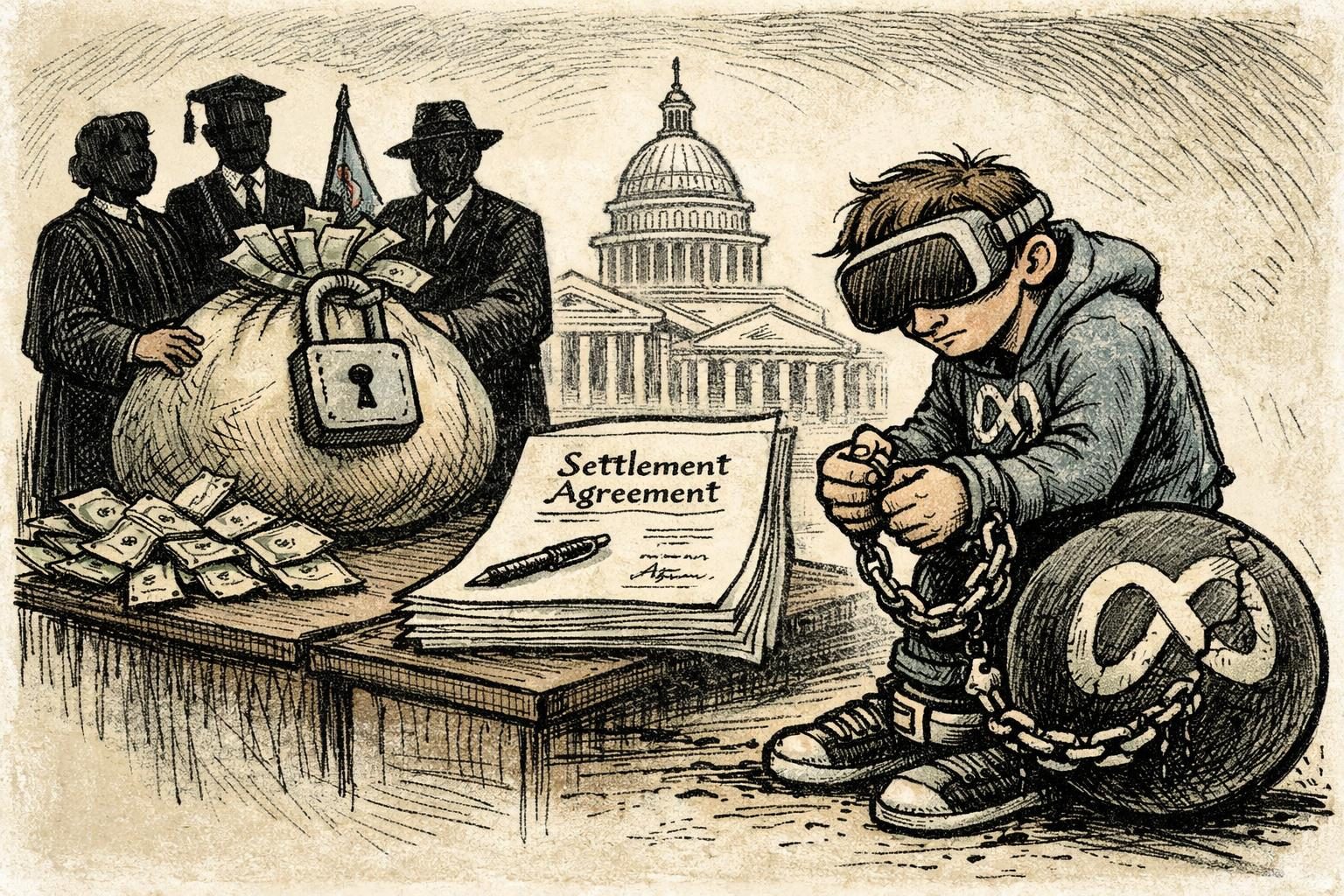
A multistate settlement approved on Aug. 26 puts one of the biggest consumer-protection claims ever brought against a major technology company on a new footing: not as an open-ended fight over social-media harms, but as a concrete payment and a set of required changes to how the platform treats young users. State officials say the agreement with Meta could be worth as much as $17.1 billion nationwide, a figure that immediately places it among the largest recoveries ever described in consumer-protection terms. The money is only part of the point. The settlement also requires changes to product design and child-safety practices, signaling that regulators are no longer content to argue that platforms should simply do better on their own. Instead, they are trying to force design changes into the operating rules of the business itself.
The underlying allegations, which have been building for years, are familiar by now to anyone who has followed the scrutiny of large social platforms. State officials argued that Meta built Instagram and Facebook features in ways that encouraged compulsive use among young people while minimizing or overlooking the mental-health risks that could come with that design. That critique has become one of the defining political and legal stories of the social-media era, especially as lawmakers, parents and school officials have increasingly tied youth anxiety, sleep disruption and addictive behavior to platform mechanics. The settlement does not amount to a public admission of wrongdoing in the way a courtroom verdict might, and the public details matter because the exact legal compromises can be as important as the dollar figure. Still, the sheer scale of the agreement suggests the company decided that prolonging the fight carried its own risks, both financial and reputational.
What makes this deal stand out is not just its size but the way it blends punishment with policy. In many corporate settlements, the company writes a check and the matter largely ends there, with little effect on how the underlying product is built or marketed. Here, state officials say the agreement includes major changes to product design and child-safety practices, which implies an effort to constrain the incentives that critics say helped create the harm in the first place. That approach reflects a broader shift in how governments are trying to police big tech. Rather than relying only on voluntary commitments, public officials are pushing for enforceable obligations that can be monitored over time. For a company with enormous reach and a long history of shaping user behavior through design, that is a meaningful change in posture.
The settlement also marks a political milestone because it underscores how much the conversation has changed from one focused on regulation in the abstract to one centered on damages and compliance. Years ago, the dominant question was whether lawmakers could even get large platforms to acknowledge the possibility that their products might have negative effects on children and teenagers. Now the issue is how to quantify those harms and what kind of remedies can be imposed without waiting for the next round of outrage. The deal will almost certainly be read as a warning to other technology firms that youth-targeted engagement strategies are no longer just a matter of product optimization; they are a regulatory liability. Even so, the long-term significance of the settlement will depend on how rigorously the changes are enforced and whether they meaningfully alter the experience of younger users. If the rules are real and durable, the agreement could become a template for future consumer-protection actions. If they prove easy to evade, the settlement may end up looking more impressive on paper than in daily use.
Comments
Threaded replies, voting, and reports are live. New users still go through screening on their first approved comments.
Log in to comment
No comments yet. Be the first reasonably on-topic person here.