
New York sues to block USPS from kneecapping mail voting
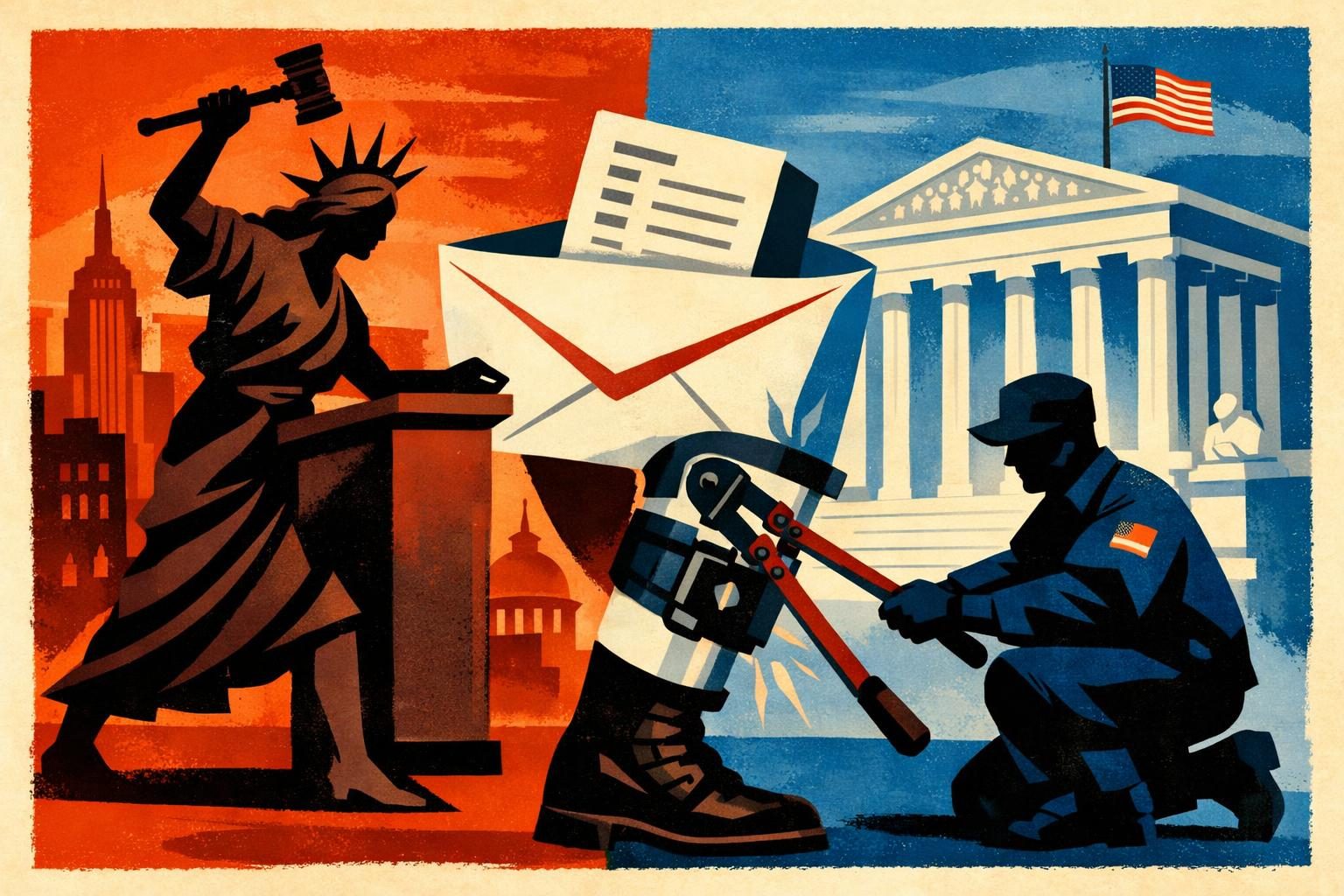
New York is heading back to court to stop what it describes as a federal attempt to squeeze state-run mail voting into a new and far more restrictive mold. Attorney General Letitia James filed suit on August 26 challenging a U.S. Postal Service rule that she says would give Washington the power to interfere with how states handle ballot delivery, ballot acceptance, and the basic mechanics of mail voting ahead of the 2026 midterms. The lawsuit arrives at a moment when election administrators are already deep into planning for next year’s contests, with ballots being drafted, printed, and prepared for distribution in many states. That timing matters because election rules are not abstract policy arguments once the printing presses are already running. In practical terms, New York’s complaint says the postal rule would not merely regulate the mail, but reach into the core of state election systems and change who gets to vote by mail and under what conditions.
The dispute sits inside a broader legal fight over a presidential elections directive that has already been partially stalled and partially revived. After lower courts moved to block key pieces of the directive, the Supreme Court issued a stay that allowed the administration to keep pressing forward while the underlying legality of the policy remains unresolved. That procedural move did not settle the merits of the case, but it did give federal officials room to continue building out the framework they want in place. James’s office argues that the Postal Service is now using that opening to translate a contested policy into actual election machinery. In the state’s telling, that is a dangerous pivot because administrative action can have the effect of law long before any court reaches a final judgment. Once a rule starts shaping deadlines, eligibility, or the fate of mailed ballots, the damage can be difficult to undo after voting has already begun.
At the center of New York’s objection is the claim that USPS cannot simply rewrite ballot-access rules on its own authority. States have long controlled the administration of their elections, including the procedures that govern how mail ballots are requested, transmitted, received, and counted. The new rule, James contends, would effectively substitute a federal standard for those state choices and force states into a mail-ballot regime designed in Washington rather than by local election officials. That is not how the system is supposed to work, the lawsuit says, especially when the Constitution and federal election law leave major pieces of election administration to the states. The complaint also emphasizes that the rule could shut eligible voters out of the process, whether by narrowing the kinds of ballots that can be counted or by creating new barriers for voters who rely on the mail to cast a ballot. In an election year, even small changes to ballot handling can ripple outward into widespread disenfranchisement if they are imposed without enough lead time or legal clarity.
The lawsuit adds to the uncertainty surrounding mail voting at a time when election officials are already dealing with deadlines, logistics, and public distrust. States have invested years in building systems that can process large numbers of mailed ballots securely and on schedule, and many of those systems are already locked into place for the next election cycle. If a federal rule now tries to force a different set of standards onto that process, the result could be confusion for administrators and voters alike. New York’s filing suggests that USPS is not merely issuing technical guidance, but attempting a major policy change with real consequences for turnout and ballot validity. The state is asking the court to stop that effort before it becomes embedded in the 2026 midterm process. Whether the court agrees may turn on how far the Postal Service can go in shaping election-related mail rules, how much deference federal agencies receive, and how the justices view the line between administrative management and direct interference in voting rights. For now, the immediate stakes are simple: a legal battle over mail ballots could determine whether millions of voters face a new federal hurdle before they ever get a chance to vote.
Comments
Threaded replies, voting, and reports are live. New users still go through screening on their first approved comments.
Log in to comment
No comments yet. Be the first reasonably on-topic person here.