
Postal Service says it still won’t act on the election rule while court fights drag on
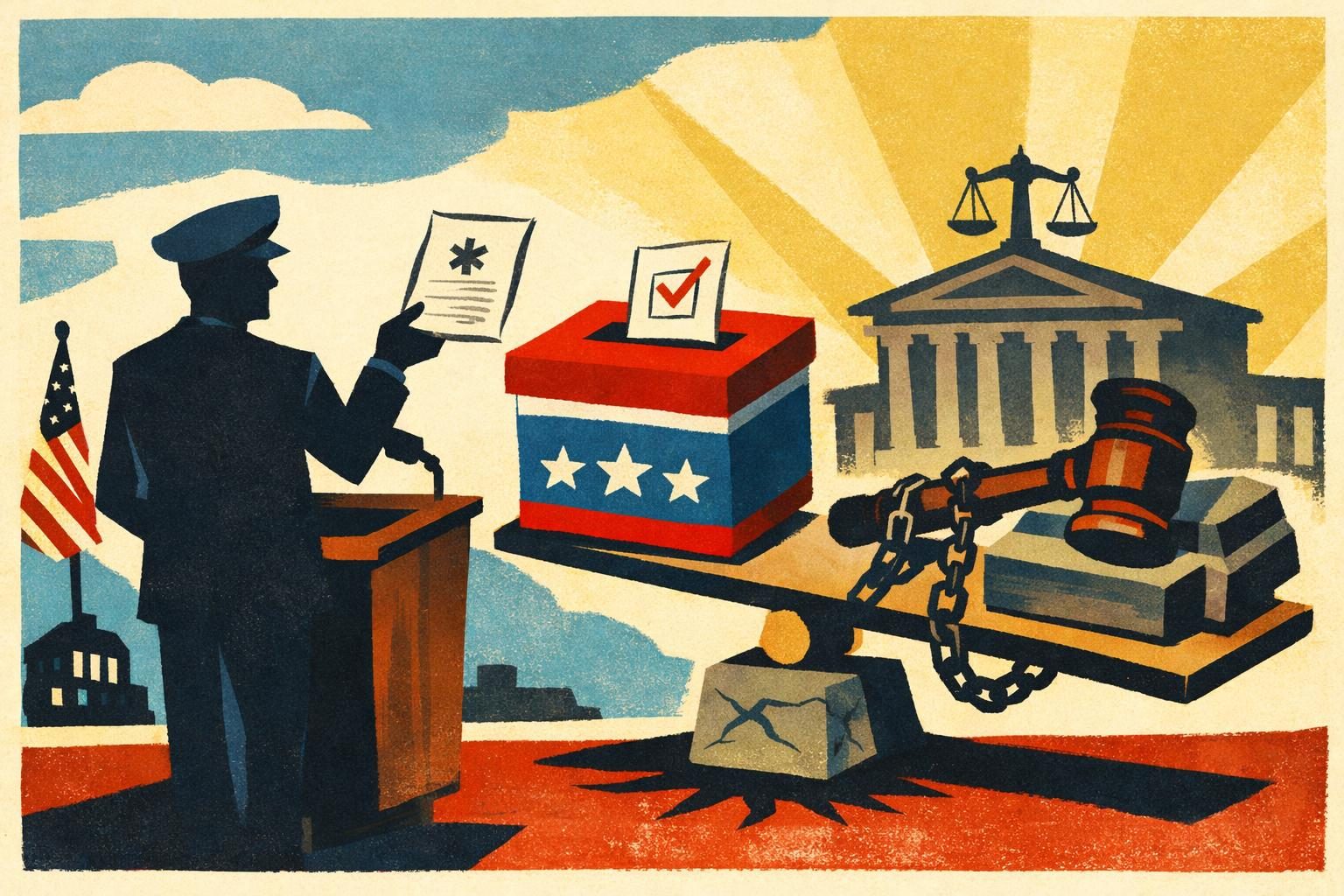
The Postal Service has put a final election-related rule on the books, but it has also made clear that the policy is still trapped in litigation and cannot be fully carried out for the 2026 election unless existing court orders are lifted. That is the basic contradiction at the heart of the agency’s latest move: the rule now exists in the Federal Register, yet the Postal Service is openly telling the public that implementation is blocked in practice. In other words, the government has formalized a policy while also admitting that it does not currently have the legal freedom to use it. For election administrators, that is not a minor technicality. It is the kind of regulatory limbo that can ripple through planning, staffing, deadlines, and public confidence long before anyone steps into a polling place. The rule is alive on paper, but suspended in the real world, which is about as clean a definition of bureaucratic uncertainty as you can get.
That matters because mail delivery is not some side issue floating outside the election system. It sits squarely inside the machinery that helps voters receive ballots, return paperwork, and meet deadlines that can determine whether a vote counts. When postal rules change, even in narrow ways, election officials have to account for the possibility that the change will alter how much time ballots spend in transit or how much confusion surrounds the process. That is especially true in a cycle where every operational detail tends to be litigated, politicized, and scrutinized for partisan motive. The Postal Service’s notice does not suggest any immediate shift in how the 2026 election will be run, but it does preserve the possibility of a future change if the legal obstacles fall away. That is enough to keep administrators in planning mode and opponents in the courtroom. It also means the agency is leaving the policy debate unresolved while the calendar keeps moving.
The public record around the rule shows that the agency did not arrive at this point in a vacuum. The notice reflects substantial opposition from a range of stakeholders, including election administrators, state and local officials, labor groups, and voting-rights advocates. That is not just a list of familiar protest voices. It is a signal that the policy touches multiple parts of the election system at once, from local logistics to worker concerns to broader questions about access and administration. When that many groups weigh in against a rule, the objections usually go beyond ideology and into practical fears about how the policy would actually function. The Postal Service’s decision to finalize the rule anyway suggests it is preserving its preferred regulatory text even as the legal fight continues to cloud whether that text can be put into action. The result is a document that settles almost nothing operationally while ensuring that the dispute remains active. For voters and officials, that means more uncertainty rather than less. The rule has been published, but publication is not the same thing as implementation, and the agency’s own language makes that distinction impossible to ignore.
The larger problem is that this kind of half-finished rulemaking can still shape behavior even when it cannot yet be enforced. Election administrators may have to plan around the possibility that the policy eventually takes effect, which can influence how they set deadlines, communicate with voters, and coordinate with postal operations. Court fights can drag on long enough that the practical consequences begin before any final legal resolution arrives, because institutions must prepare for the version of reality that might emerge next rather than the one that exists today. That is why the Postal Service’s acknowledgment matters so much: it is effectively telling everyone involved that the regulatory text is in place, but the path to implementation remains blocked unless judges change course. In election administration, that kind of limbo is its own form of disruption. It does not need a dramatic announcement to create problems; it works through ambiguity, contingency planning, and the constant need to hedge against what may happen next. The immediate effect is not a clean policy shift but a fresh layer of uncertainty heading into an already busy election cycle. And in a system where confidence depends on clarity, the worst thing a federal agency can do is leave everyone guessing about whether a rule is real, dormant, or just waiting for the next courtroom ruling to breathe life into it.
Comments
Threaded replies, voting, and reports are live. New users still go through screening on their first approved comments.
Log in to comment
No comments yet. Be the first reasonably on-topic person here.