
Massachusetts mayor indicted over alleged pandemic-loan fraud and money laundering
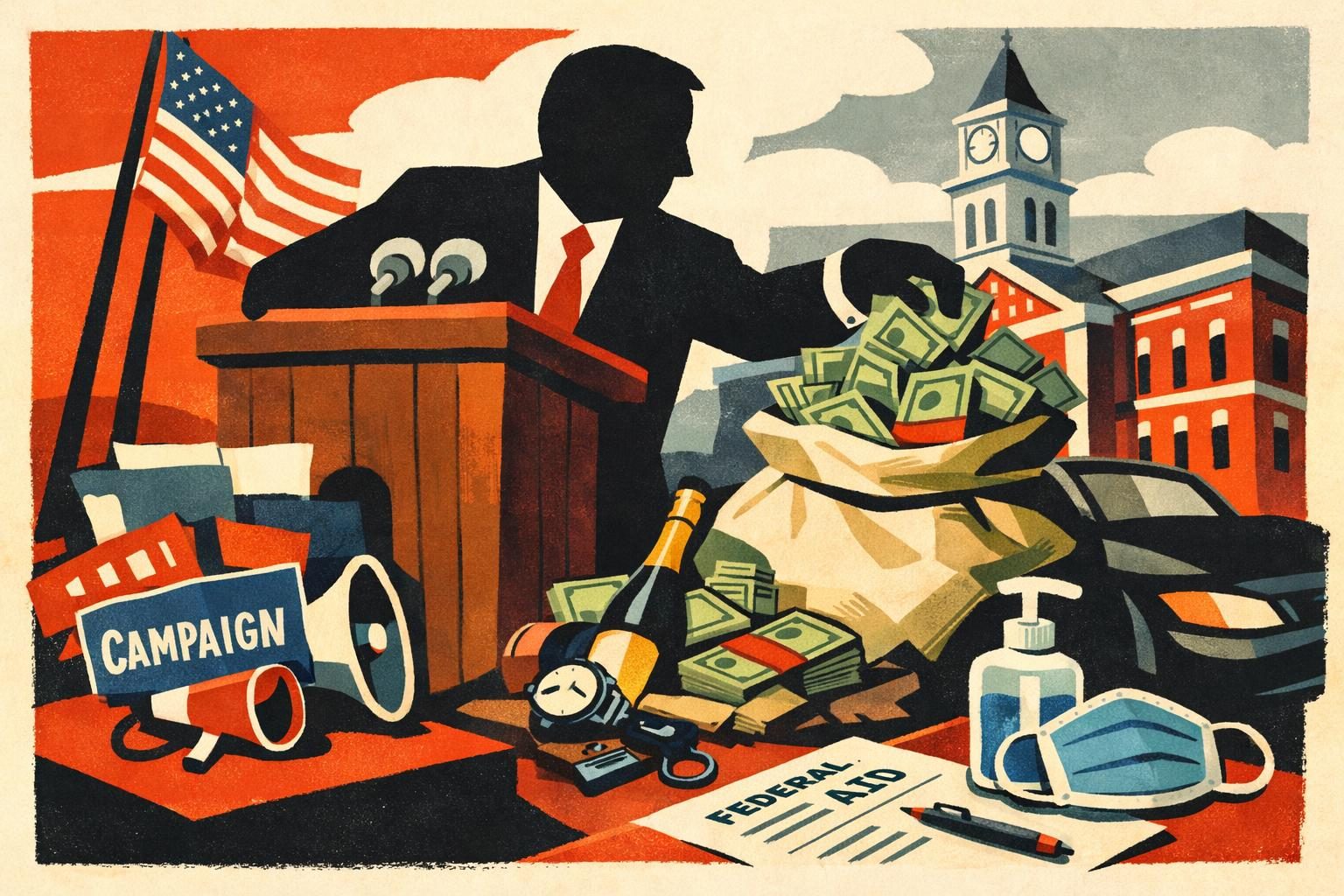
A federal grand jury in Boston has indicted Lawrence, Massachusetts, Mayor Brian A. DePena on 11 counts of wire fraud and money laundering, pushing a case that began with a criminal complaint and arrest into a much more serious chapter. Prosecutors allege that DePena obtained more than $1.5 million in COVID-era small-business loans and then diverted at least some of that money away from its intended purpose. According to the government, the funds were used to support his campaign account, pay personal taxes, and cover high-interest mortgages on properties he owned. The indictment was unsealed Wednesday, making public the full scope of the allegations and putting the city’s top elected official under intense federal scrutiny. At its core, the case is not about a minor accounting dispute or a paperwork error. It is an accusation that emergency relief money created for a national crisis was allegedly routed into political and personal uses instead.
The charges land in a part of the country where pandemic-era relief programs already left behind a trail of fraud investigations, frustrated taxpayers, and uneasy questions about oversight. The COVID loan programs were designed to keep businesses afloat during one of the worst public-health and economic emergencies in modern history, and that urgency created opportunities for abuse that federal investigators have spent years trying to unwind. Cases like this resonate beyond the defendant because they feed a broader public suspicion that people with access, connections, or political power may have been able to manipulate systems meant to help everyone. When a mayor is accused of using emergency aid to prop up a campaign account and cover private expenses, the symbolism is hard to ignore. It is the sort of allegation that turns a financial crime case into a referendum on trust in local government. Even if the facts are still to be tested in court, the indictment alone will likely color how residents view the city’s leadership and how much faith they place in the guardrails around public and quasi-public money.
DePena, like any defendant, is presumed innocent, and the government still has the burden of proving each charge beyond a reasonable doubt. The defense will have room to argue about intent, the source and use of the funds, and whether the transactions prosecutors cite amount to criminal conduct rather than a messy mix of business and personal finances. That said, the step from complaint to indictment matters. A grand jury’s decision to return 11 counts suggests prosecutors believe they have enough evidence to make the case in open court, not just to justify an arrest. The indictment also raises the political temperature around the mayor’s office because it brings the possibility of prolonged legal exposure, public disclosure of financial records, and pressure from rivals, constituents, and party allies. Even before any trial, the case can affect governing by forcing a mayor to spend time and attention on legal defense, media fallout, and the practical strain of leading a city while facing federal felony allegations. In a political environment already skeptical of institutions, the sight of emergency-loan fraud allegations attached to an incumbent mayor is the kind of story that can quickly harden into a broader narrative about self-dealing.
The larger lesson is not just about one public official, but about what happens when emergency systems are built fast and then audited slowly. Federal pandemic relief was meant to stabilize jobs, businesses, and local economies, yet the very speed and scale of those programs made them vulnerable to abuse by anyone willing to push the limits or cross the line. If prosecutors are right, this case fits a familiar pattern: crisis funding enters the system under extraordinary pressure, and someone allegedly decides the rules do not apply to them. If the defense can show the transactions were lawful, mischaracterized, or the product of accounting confusion rather than fraud, then the case will look different in hindsight. For now, though, the indictment places a sitting mayor at the center of a federal pandemic-fraud prosecution and forces a city to confront the possibility that its highest elected office is entangled in allegations of personal enrichment. However it ultimately ends, the case is a reminder that the pandemic’s political and financial consequences have not fully faded, and that the accounting for who used relief money properly — and who did not — is still ongoing.
Comments
Threaded replies, voting, and reports are live. New users still go through screening on their first approved comments.
Log in to comment
No comments yet. Be the first reasonably on-topic person here.