
States sue over Postal Service mail-voting rules ahead of the midterms
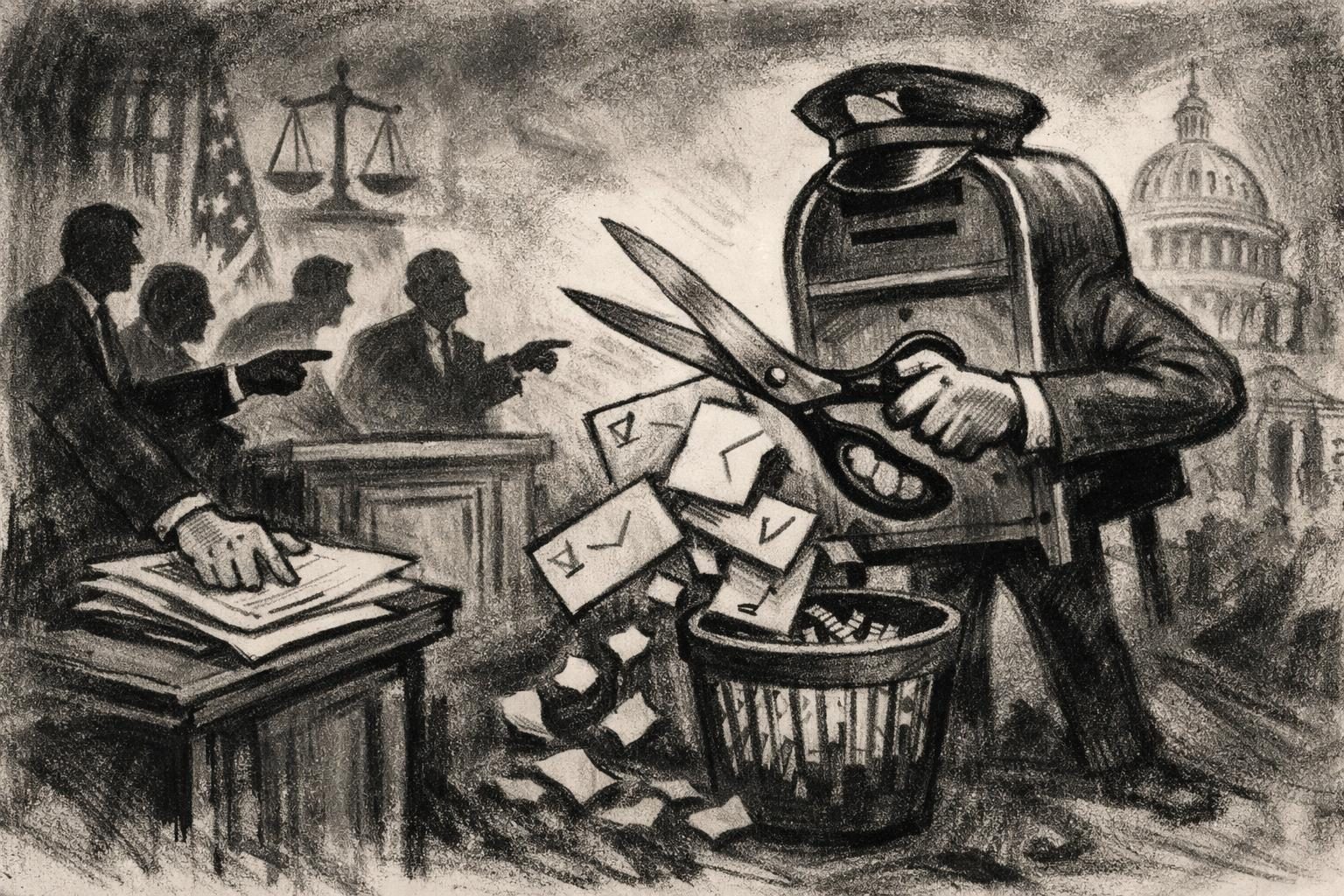
Twenty-four states have gone to court to stop new Postal Service rules that they say could interfere with mail voting just as election officials are preparing for the midterms. The lawsuit, filed on August 26, targets rules published last week and intended to govern how mail ballots move through the postal system in the run-up to the election. The states argue that the changes would make it harder to run mail-ballot programs that millions of voters now depend on, especially in places where mail voting has become a routine and heavily managed part of election administration. Their case is not simply that the rules are inconvenient. It is that the rules could distort the mechanics of voting itself by slowing, complicating, or undermining the delivery of ballots and ballot-related materials.
At the center of the fight is a basic question of who gets to set the terms for mail voting in the first place. State officials say election administration is their job, and that the Postal Service is now stepping into territory that belongs to state and local election systems. They contend that the new rules amount to an unnecessary federal intrusion into carefully built procedures that have been developed over years, often in response to court challenges, legislative changes, and the logistical demands of larger mail-ballot populations. The stakes are not abstract, because any shift in how ballots are handled can ripple outward into deadlines, verification rules, voter outreach, and the sheer confidence people have that a mailed ballot will count. In that sense, the lawsuit is about more than regulatory language. It is about whether a federal agency can alter the practical conditions under which states conduct elections. The plaintiffs say that answer should be no, and that the courts need to stop the rules before they create avoidable confusion.
The challenge also arrives amid a wider push from the Trump administration to tighten mail voting, a campaign that has repeatedly drawn criticism from Democrats and election-law advocates who say the real effect is to make voting harder in places where mail ballots are common and popular. The administration says the goal is security and common sense, and that tighter rules are necessary to keep ballots from being mishandled or delayed. But the states suing over the Postal Service are not persuaded by that framing, and they are treating the rules as part of a broader effort to put federal weight behind a more restrictive view of voting access. That makes the lawsuit politically charged even before a judge reaches the merits. For supporters of expanded mail voting, the concern is that a federal bureaucracy is being used to complicate something voters and election offices have already learned how to do at scale. For supporters of tighter rules, the claim is that election integrity demands more uniform control over the postal side of the process. Those positions may be familiar, but the practical consequence is very real: if mail ballots are harder to send, receive, or process on time, the burden does not fall evenly across the electorate.
The case has also become a test of how quickly the administration’s election-season agenda is running into legal resistance. Even before the full arguments are aired, the lawsuit shows the Postal Service rules were not absorbed quietly into the machinery of election planning; they immediately triggered a coordinated response from a large bloc of states. That suggests election administrators viewed the changes not as a minor technical adjustment but as a serious threat to established mail-voting systems. It also follows a separate court block on a Federal Communications Commission change involving ad rates, adding to the sense that the administration’s broader regulatory approach is meeting resistance in multiple venues at once. Whether that resistance will hold depends on the details of the case, the language of the rules, and how the court interprets the Postal Service’s authority. But the political signal is already obvious enough. States that rely on mail voting are unwilling to accept new federal rules they believe could suppress turnout by making the system less usable, and they are asking the courts to intervene before the midterm calendar starts turning those concerns into real-world disruptions.
Comments
Threaded replies, voting, and reports are live. New users still go through screening on their first approved comments.
Log in to comment
No comments yet. Be the first reasonably on-topic person here.