
White House declares a national emergency over the bulk-power system
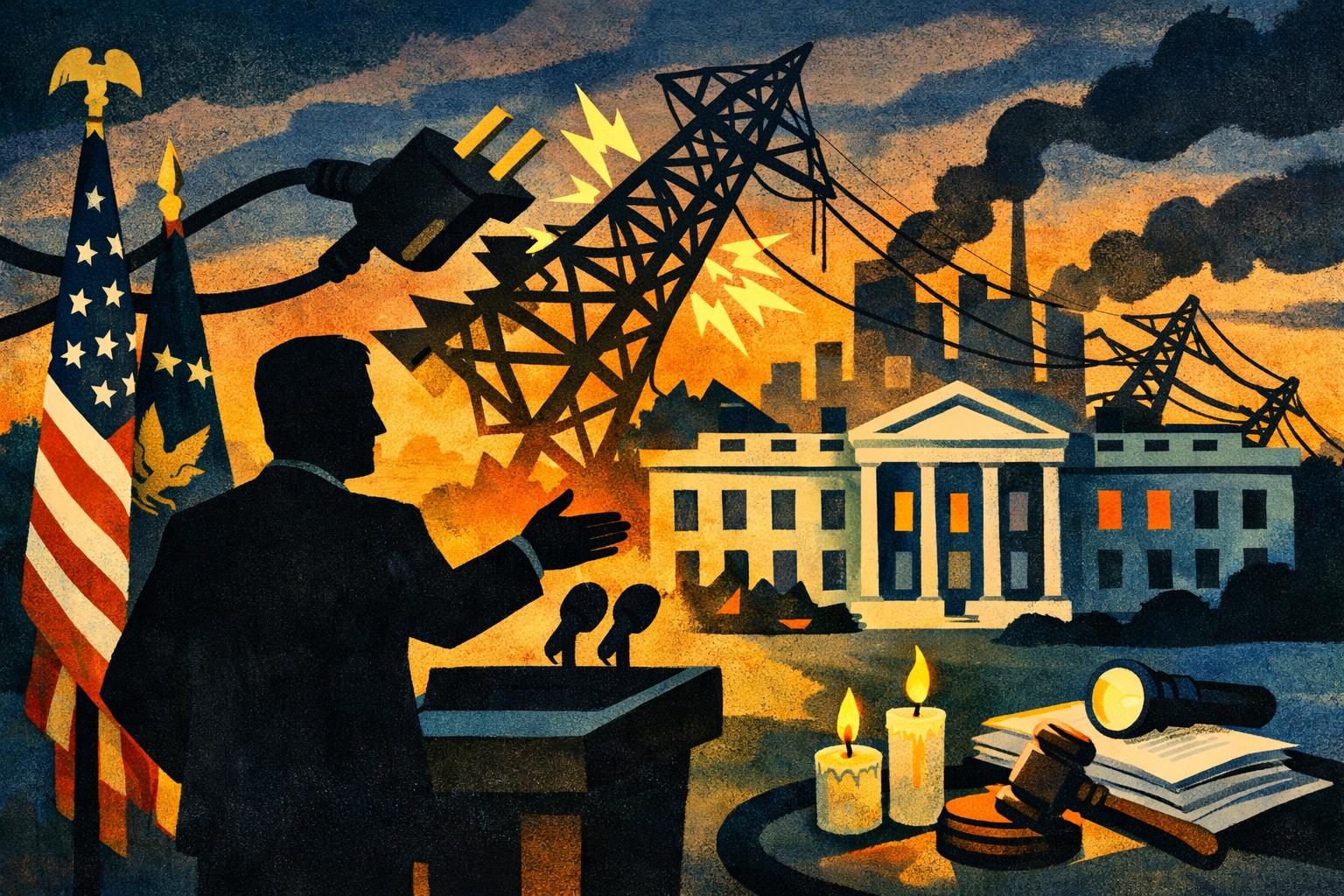
The White House on Wednesday declared a national emergency over what it says are foreign supply-chain threats to the U.S. bulk-power system, a sweeping move that pushes electricity infrastructure squarely into the realm of national security. The declaration is framed as a response to vulnerabilities in the equipment and procurement pipelines that support the grid, with the administration arguing that foreign-made components can create risks serious enough to justify emergency action. In practice, that means the government is not just talking about resilience in the abstract; it is asserting the power to change how the federal government buys, approves, and prioritizes equipment tied to the country’s electric backbone. The accompanying fact sheet says the goal is to harden procurement and protect the bulk-power system from disruption. Taken together, the declaration and the policy rationale suggest the White House wants to use emergency authorities to speed up changes that would otherwise move slowly through normal regulatory and legislative channels.
That is why the announcement immediately raises questions that go beyond the usual language of energy policy. National emergencies are one of the most potent tools available to a president, and they are often used precisely because they let the executive branch move faster than Congress, agencies, and the courts would otherwise allow. The administration is presenting the move as a defensive measure aimed at critical infrastructure, but it is also making a broader argument about foreign supply risks that could justify wider intervention in procurement decisions. Critics are likely to see the declaration as another example of executive power being used to bypass more deliberate policymaking, especially in an area where the line between genuine security concerns and industrial policy can get blurry. Supporters, by contrast, will argue that the electric grid is too important to leave exposed to supply-chain vulnerabilities that may be difficult to unwind once they are embedded in federal purchasing and utility planning. The legal and political fight, if there is one, is likely to turn on whether the government can show a sufficiently concrete threat rather than a generalized desire to favor domestic sourcing.
The most immediate consequences may land in the contracting and regulatory machinery that surrounds federal energy procurement. According to the administration’s own description, the declaration is intended to drive recommended changes in federal acquisition rules, which means agencies may be instructed to revisit how they evaluate vendors, components, and supply chains for bulk-power-related projects. That could make foreign equipment harder to use in projects tied to the federal government, while also encouraging utilities and contractors to anticipate stricter sourcing requirements even before any formal rule changes are complete. In that sense, the emergency declaration is not merely symbolic rhetoric about security; it is the opening move in a bureaucratic rewrite that could affect who gets to supply critical parts of the grid. The scale of the practical impact will depend on how aggressively agencies interpret the directive and how quickly they translate it into procurement standards. If the process is broad and forceful, it could reshape the market for energy infrastructure equipment. If it is narrower or more cautious, the declaration may end up being more about signaling than immediate operational change.
Still, the administration is taking a significant risk by tying so much legal and policy weight to the claim that the bulk-power system is facing an emergency that warrants extraordinary treatment. Emergency declarations can be durable if the underlying facts are clear and the threat is easy to explain, but they can also become magnets for litigation if affected companies or opponents argue that the administration has stretched the statute beyond its intended purpose. There is also the practical issue that any sweeping change to procurement rules can slow projects, raise costs, and create confusion for utilities and suppliers trying to plan around shifting requirements. That does not mean the emergency cannot survive scrutiny, only that the government will likely have to prove more than a general concern about foreign dependence if it wants the policy to hold up over time. For now, the White House is betting that national security language will be enough to justify a more aggressive stance toward the grid’s supply chain. The real test will come later, when agencies begin turning the declaration into procurement language, when lawsuits challenge the scope of the move, and when the public starts seeing whether the promised gains in resilience outweigh the costs of another high-stakes executive workaround.
Comments
Threaded replies, voting, and reports are live. New users still go through screening on their first approved comments.
Log in to comment
No comments yet. Be the first reasonably on-topic person here.