
Trump signs a beef affordability proclamation while prices still bite
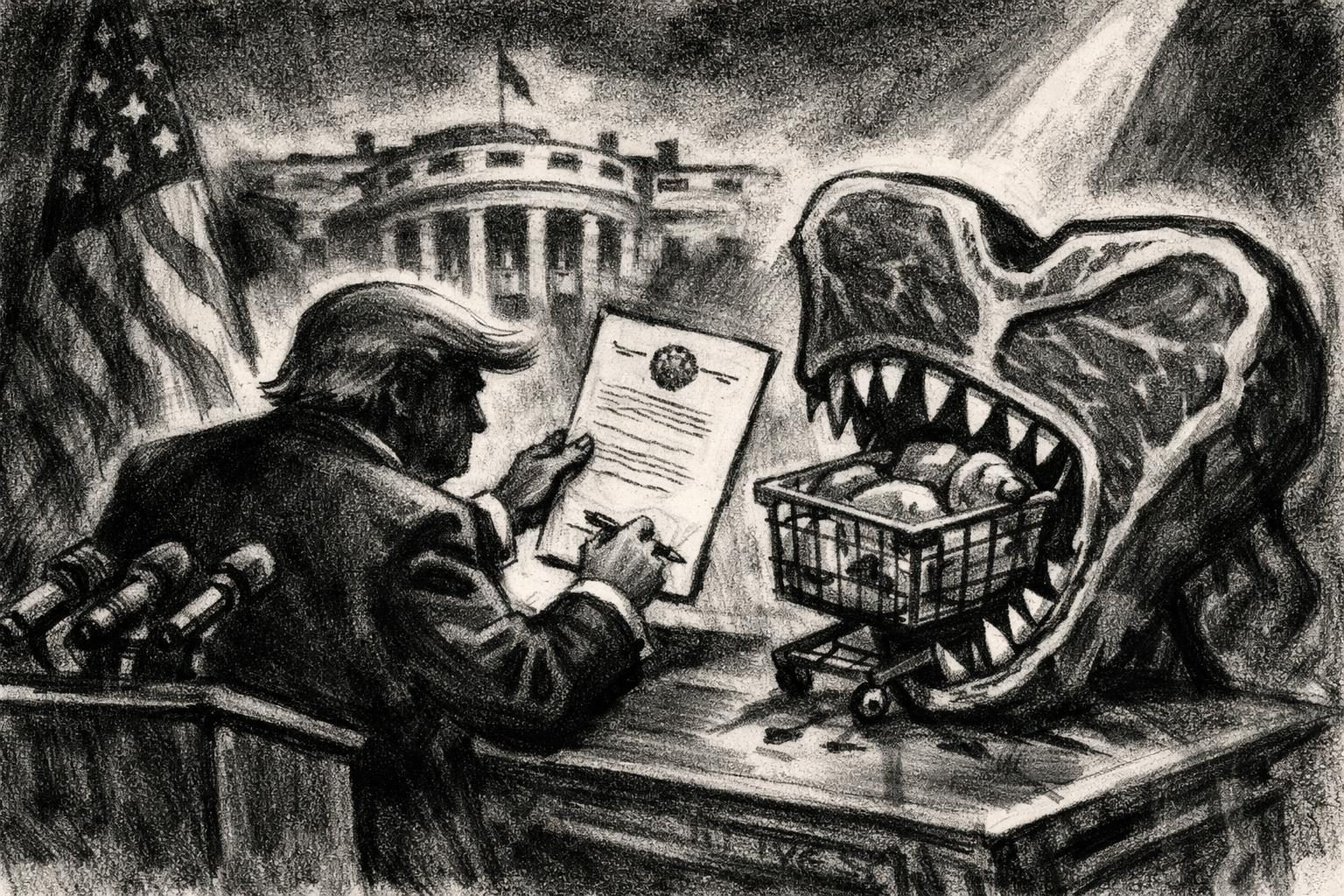
The White House has put beef affordability at the center of a fresh presidential push, releasing a new proclamation and accompanying fact-sheet materials on August 26 that try to cast rising grocery pain as a problem the administration is actively confronting. The message is straightforward: the cost of beef is not just a market issue, it is a political one, and the government wants to be seen doing something about it. That framing matters because beef is one of the most visible items in the inflation conversation. It is not an abstract number buried in a spreadsheet. It is a product shoppers notice every time they open the meat case, compare packages, and wince at the price. By elevating beef specifically, the administration is trying to attach a familiar kitchen-table complaint to a presidential announcement that can be summarized, circulated, and repeated. Whether that approach changes anything at the store is another question entirely, but the political logic is clear enough: if households are still feeling squeezed, the White House wants to show it is not ignoring the squeeze.
The problem is that proclamations are not price cuts. A carefully staged announcement can draw attention, but it does not by itself lower the cost of a steak, a roast, or ground beef. That is why the administration’s beef message is likely to be judged less by the language in the proclamation than by whether it is paired with actual policy changes that can affect supply, trade, transportation, regulation, or competition in the market. If there are concrete actions behind the branding, then the announcement could become part of a larger affordability strategy. If there are not, it risks looking like a symbolic answer to a material problem. The White House appears to understand that distinction, which is why the proclamation comes wrapped in a fact-sheet push designed to suggest specificity rather than pure messaging. Still, factsheets can explain a policy, but they cannot substitute for one. And in an inflation environment where voters are already skeptical of official reassurance, the gap between a statement and a measurable price change is where credibility tends to disappear.
Politically, beef is a useful test case because food inflation remains one of the most durable and emotionally charged complaints in American life. People may disagree about tariffs, interest rates, and macroeconomic indicators, but they know immediately when groceries cost too much. Beef makes that complaint even sharper because it is both ordinary and symbolic. It shows up in family dinners, fast food, holiday cooking, and backyard grilling, which means its price can quickly become shorthand for whether the broader economy is working for everyday consumers. The administration seems to be betting that a presidential announcement can translate into reassurance, or at least into the appearance of action. That is a familiar move in politics: when the data are messy and the public mood is sour, governments often lean on optics, language, and executive ceremony to show momentum. But the effectiveness of that strategy depends on whether people believe the message is backed by substance. If shoppers continue to see stubborn prices, the proclamation may not read as leadership so much as an attempt to wrap a persistent pain point in official confidence. In that sense, the announcement is not just about beef. It is about whether the White House can turn a pocketbook grievance into proof of competence.
The broader significance is that the administration is treating commodity pricing as a communications battleground, which is both understandable and risky. On one hand, food costs are one of the fastest ways for a government to hear from the public, and there is value in responding directly to something that voters notice every week. On the other hand, if the underlying supply chain does not change, the effort can look like performative economics: a polished announcement aimed at a real problem without enough leverage to solve it. That tension is especially pronounced with beef, where prices are shaped by a mix of production conditions, herd dynamics, processing capacity, transportation costs, and broader market forces that do not yield easily to presidential branding. So the proclamation is real, public, and current, but its actual importance will depend on what happens next. If it leads to policy tools that affect supply or reduce pressure on consumers, then it may be remembered as a practical response. If prices stay high and nothing follows, it will likely become another example of Washington trying to narrate its way around inflation. For now, the White House has chosen to speak directly to the pain at the checkout line. The market will decide whether that speech counts as action.
Comments
Threaded replies, voting, and reports are live. New users still go through screening on their first approved comments.
Log in to comment
No comments yet. Be the first reasonably on-topic person here.