
White House doubles down on beef tariffs in the name of ‘affordability’
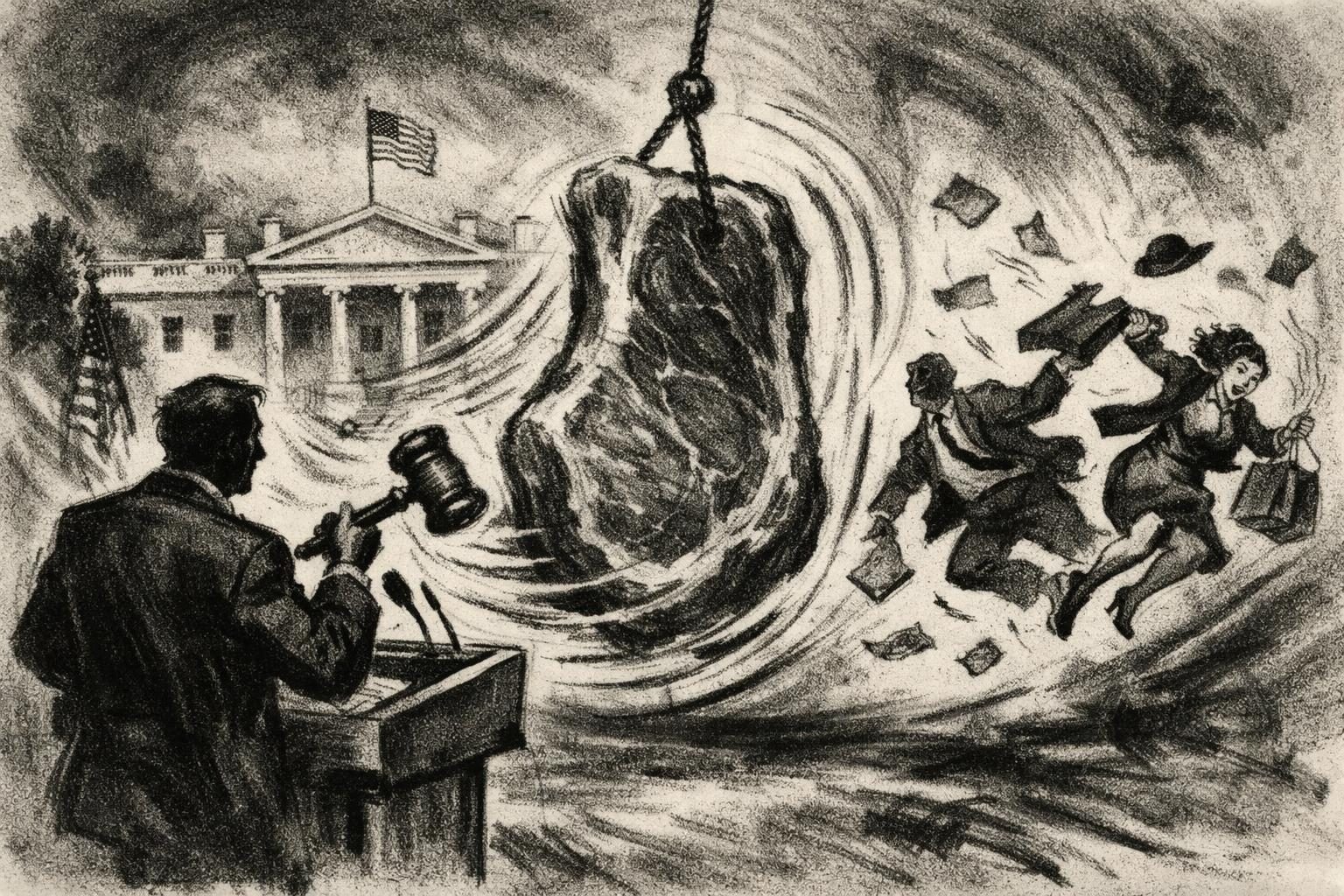
The White House on Aug. 26 issued a fresh proclamation titled “Further Ensuring Affordable Beef for the American Consumer,” taking another swing at a market the administration says it is trying to calm but may instead keep jostling. The new action extends and adjusts the government’s earlier beef trade intervention, which had already tried to use the blunt tools of trade policy to influence prices at the checkout line. In the administration’s telling, beef prices have stayed too high for too long, and the federal government has a duty to step in again because domestic supply conditions remain under strain. In practical terms, that means Washington is doubling down on a strategy that treats tariffs and trade restrictions as a kind of emergency lever for affordability, even as the underlying logic remains awkward. The White House is framing the move as consumer relief, but the more obvious result is another round of policy whiplash for everyone trying to plan around it.
That matters because beef is not a niche commodity or a symbolic target. It is one of the most politically sensitive food items in the country, a staple on household grocery lists, and a product tied closely to ranching, processing, shipping, and retail margins. When the government changes the rules around imports and trade intervention, the effects do not stay neatly inside a press release. They ripple through contracts, inventory decisions, pricing expectations, and the delicate math that determines how much people pay for steaks, ground beef, and everything in between. The proclamation says the administration has been monitoring supply conditions since an earlier February action and now believes additional measures are justified, which suggests the first round of intervention did not resolve the problem the White House hoped it would solve. That leaves the administration in the uncomfortable position of having to explain why a policy meant to ease prices now needs another patch so soon. The answer may be politically convenient, but it is not especially reassuring.
The tension here is simple enough to understand, even if the policy is dressed up in formal language. The administration says it wants affordability, yet it is still reaching for trade restrictions, which can squeeze imports and leave the market with fewer ways to absorb demand. If supplies are tightened further, prices can stay sticky or even climb again, particularly if processors and retailers have little room to adjust quickly. Ranchers may like the politics of protecting domestic production in the abstract, but they also live with the uncertainty created when policy changes arrive suddenly and without much stability. Importers, grocery buyers, and food distributors face a different problem: they have to guess whether the latest proclamation is a temporary maneuver, a negotiating tactic, or the start of a longer campaign. That uncertainty is not a side effect; it is part of the policy environment the government has now created. When officials use trade intervention as a substitute for a more durable food-price strategy, they can wind up generating the very volatility they claim to be preventing.
Critics on the agricultural and retail side are likely to see the move as another example of Washington blaming markets for distortions that Washington itself helped create. The new proclamation’s reference to prior trade action and ongoing supply monitoring amounts to an admission that the government has already been seeing the effects of its own intervention in real time. That raises the basic question at the center of the tariff whiplash: if the earlier action was supposed to make beef more affordable, why is the administration now forced to improvise a second fix? The White House may argue that it is responding to changing conditions and acting on fresh data, and that explanation is not impossible on its face. But it also leaves open the possibility that the policy is reacting more to political pressure than to a coherent economic plan. The government is trying to project toughness and consumer protection at the same time, but those goals do not always fit together when the mechanism is trade restraint. In that sense, the proclamation is less a clean solution than a public admission that the first one did not work as advertised.
The political upside is obvious enough, at least in the short term. Officials can tell voters they are taking action against high beef prices and protecting households from inflation at the meat counter. But the policy downside is harder to ignore, because every additional intervention increases the chance that producers and buyers will spend more time adjusting to federal surprises than to actual market signals. That kind of environment tends to reward caution, delay investment, and keep everyone guessing about what the next proclamation will do. Consumers may hear the language of affordability, but they are still the ones who will see the results in the checkout lane if prices remain elevated or swing unpredictably. If the administration believes it can tariff its way out of a food-cost problem, it is betting that the public will accept the contradiction between restriction and relief. That is a risky wager, and the grocery bill has a way of exposing it fast. For now, the White House has chosen to keep pressing the same lever and hope the market, and the voters, do not notice the strain until later.
Comments
Threaded replies, voting, and reports are live. New users still go through screening on their first approved comments.
Log in to comment
No comments yet. Be the first reasonably on-topic person here.