
Judge keeps Steve Bannon’s contempt conviction alive for now
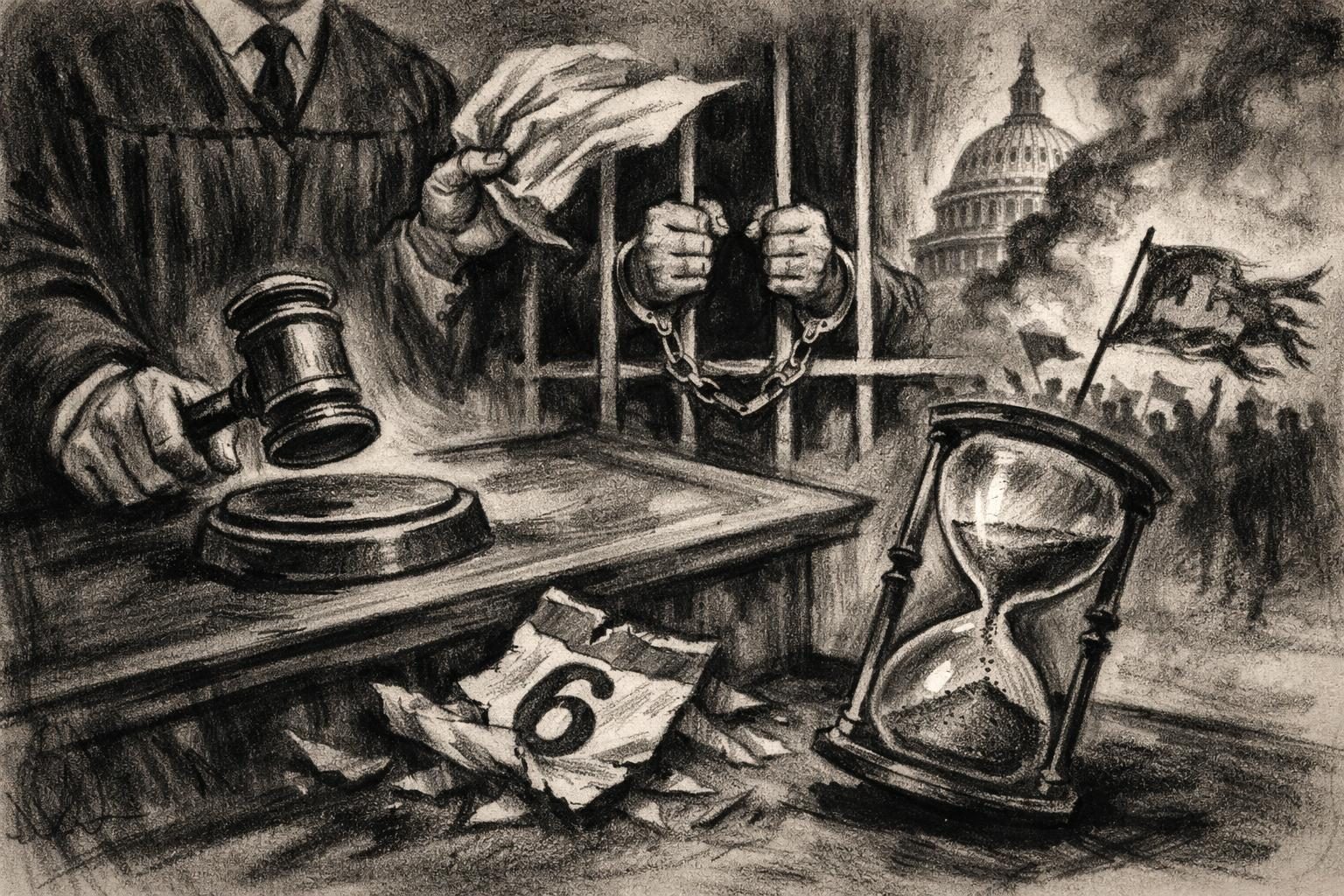
A federal judge has declined, at least for now, to dismiss Steve Bannon’s contempt-of-Congress conviction after the Justice Department moved to erase the case, leaving one of the most notorious Jan. 6-era accountability fights in a legally awkward holding pattern. The ruling does not undo Bannon’s conviction or declare the dispute over. It simply keeps the case alive while the government tries again to justify why it wants the conviction wiped away. That is not the outcome the administration appeared to want, and it is not the kind of procedural slap on the wrist that lets a controversy quietly disappear. In practical terms, the court said the request was not yet presented in a way that allowed it to be approved, which is a restrained judicial way of saying the explanation was not good enough. In political terms, the decision ensures that the effort to help a prominent Trump-world figure will remain under a bright spotlight.
Bannon’s contempt case has long carried significance beyond the narrow question of his own legal exposure. He was convicted after refusing to comply with a congressional subpoena tied to the House investigation into the Jan. 6 attack on the Capitol, and the case became a symbol of resistance to congressional oversight at a moment when the country was still sorting through the fallout from the riot. Bannon has already served the prison time associated with the conviction, but the legal status of the case still matters because it speaks to how aggressively the government is willing to enforce or undo accountability in politically charged matters. When the Justice Department asked to dismiss the case, it raised immediate questions about whether the administration was carving out special treatment for an ally of the president rather than applying the law evenly. Even if the underlying conviction remains intact for now, the very act of trying to make it go away was enough to trigger suspicion that the rules are being adjusted depending on whose side someone is on.
The judge’s refusal to grant dismissal right away does not resolve those questions, but it does complicate the administration’s position. The court’s concern was not that the government can never seek dismissal, but that it had not adequately explained the request in the way the law requires. That distinction matters because it keeps the focus on process, where the administration now has to show its work rather than rely on political discretion or backroom assumptions. If the government comes back with a better-supported filing, the judge could still revisit the issue later. For now, though, the first attempt failed, and that failure leaves the impression that the administration tried to move too quickly on a case that was always going to attract scrutiny. In a matter this politically loaded, even a procedural setback can become a substantive embarrassment.
The larger problem for the administration is that this episode feeds a familiar and damaging narrative: one justice system for loyalists, another for everyone else. Bannon is not a minor player who can be brushed aside as an obscure defendant with no broader significance. He is a high-profile political operator who has remained deeply embedded in the Trump movement, and any move to undo his conviction was going to be read through that lens whether the government liked it or not. The judge’s ruling does not prove favoritism, but it does not do the administration any favors either, because it leaves the impression that the attempt to erase the case was not fully thought through or fully justified. That is especially awkward in the context of Jan. 6, where public trust in institutions has been battered and even routine decisions can look suspicious when they involve politically connected figures. For defenders of the rule of law, the decision offers a small but meaningful reminder that courts can still demand an explanation before history is rewritten by request.
Comments
Threaded replies, voting, and reports are live. New users still go through screening on their first approved comments.
Log in to comment
No comments yet. Be the first reasonably on-topic person here.