
Vermont man indicted for assaulting and injuring a federal agent
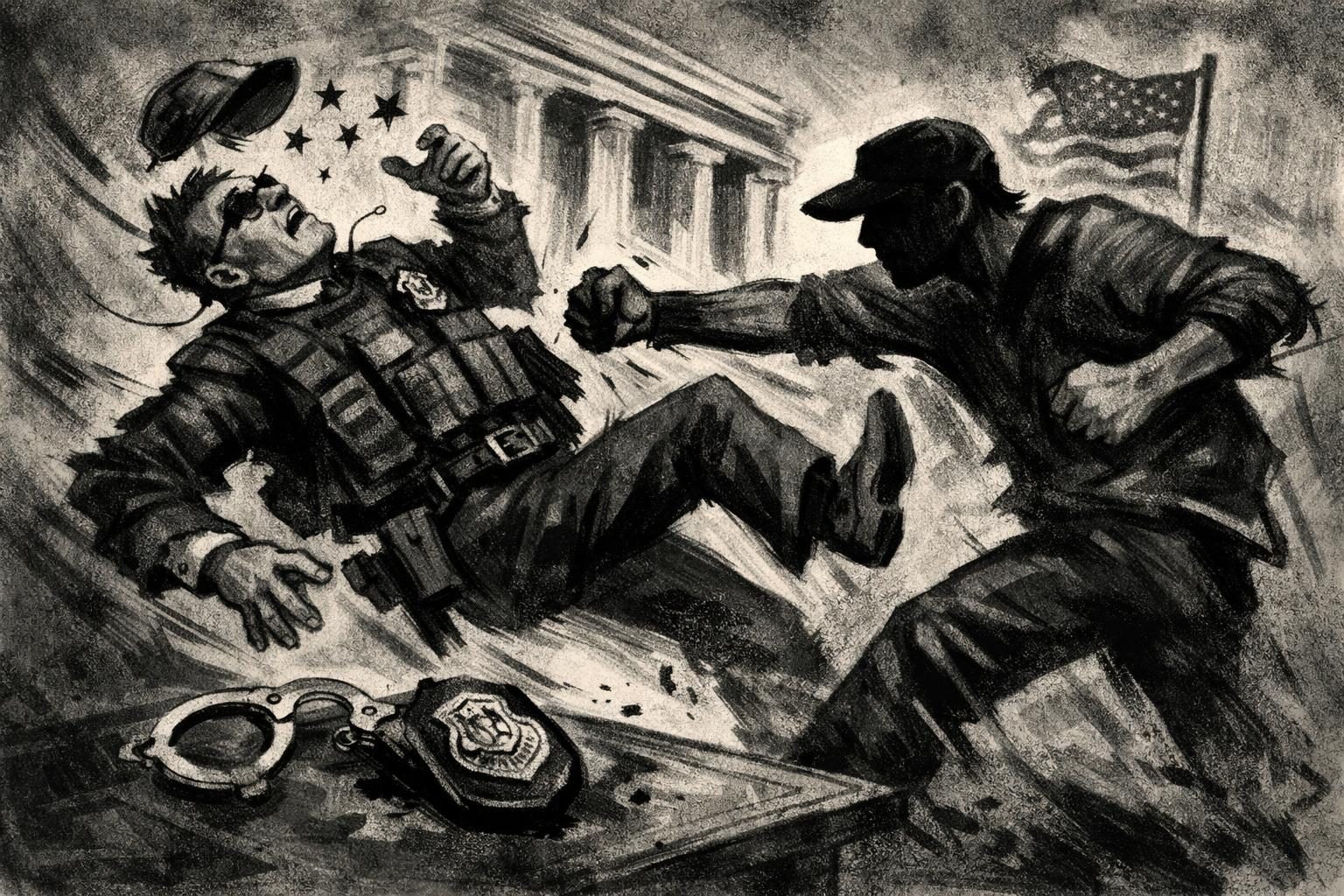
A federal grand jury in Vermont has indicted Jesse Roy, 45, of Milton, on charges that he assaulted and resisted a federal agent and caused bodily injury during an attempted arrest on August 27. Prosecutors say Homeland Security Investigations agents, working alongside a detective assigned to an Internet Crimes Against Children task force, went to Roy’s residence to take him into custody on unrelated allegations when the encounter turned physical. According to the government’s account, Roy resisted the officers as they tried to gain entry and, in the resulting struggle, an agent suffered a hand injury serious enough to require surgery and an estimated six to eight weeks of recovery. The indictment does not settle guilt, and it does not supply a trial record, but it does mark the point at which prosecutors have decided the evidence is strong enough to move the case into federal court. Even in that limited form, the charge is a reminder that federal enforcement actions are rarely abstract exercises once they land at a front door.
The case is straightforward on paper and messy in practice, which is often how these federal confrontations begin. Task-force operations can bring together investigators from different agencies, each with a specific role and a specific mandate, but the moment of execution depends on split-second decisions made in a real home, with real people on the other side of the threshold. The government’s version of events says the officers were attempting to arrest Roy when resistance led to a struggle and an injury severe enough to keep an agent out of work for more than a month. That detail matters because bodily injury elevates the seriousness of the alleged conduct and gives prosecutors a concrete harm to point to, not just a claim of interference. It also sharpens the stakes for anyone watching federal enforcement expand into more corners of daily life, where the promise of order can collide with the reality of force. In that sense, the indictment is not simply about one man in Milton; it is about what happens when the machinery of federal investigation arrives in the most personal setting there is.
What makes the episode politically useful, and politically combustible, is that it lands in the middle of a broader climate in which federal law enforcement is being pushed to do more and to show more of itself. The administration has leaned heavily on a law-and-order posture that treats visibility as a form of strength, yet visible power also carries visible risk. Every additional task force, every widened investigative net, and every high-contact arrest operation creates more opportunities for escalation, injury, and public backlash. Supporters of aggressive enforcement will likely see the indictment as proof that officers are exposed to real danger when they do their jobs and deserve the backing, staffing, and legal tools needed to complete arrests safely. Critics, meanwhile, are likely to point to the same facts and say the system is becoming more intrusive, more confrontational, and more willing to turn ordinary encounters into high-stakes incidents. Both readings can coexist because the underlying truth is uncomfortable: when the government pushes harder, the friction goes up too.
For now, the matter remains a criminal case, not a verdict, and the indictment itself should be treated as an allegation pending proof in court. Still, the public significance is hard to miss because injuries to federal officers are not merely internal personnel matters; they become part of the larger argument over how the government should conduct arrests, how much force it should be prepared to use, and how far federal task forces ought to reach into local life. The charges also highlight a recurring feature of modern enforcement politics, in which a case that may have begun in one investigative lane can suddenly become a broader symbol of state power, resistance, and the consequences of confrontation. If prosecutors prevail, the government will likely present the episode as evidence that resistance to federal agents carries a real cost and that officers need stronger protection. If the defense successfully challenges the allegation, the case will instead stand as another example of how quickly enforcement narratives can harden before all the facts are tested. Either way, the indictment leaves behind an uncomfortable message for the administration and its law-and-order allies: when federal power becomes more aggressive and more visible, it does not only project authority. It also increases the odds that somebody gets hurt.
Comments
Threaded replies, voting, and reports are live. New users still go through screening on their first approved comments.
Log in to comment
No comments yet. Be the first reasonably on-topic person here.