
DOJ says the TeamPCP supply-chain hackers are finally in the dock
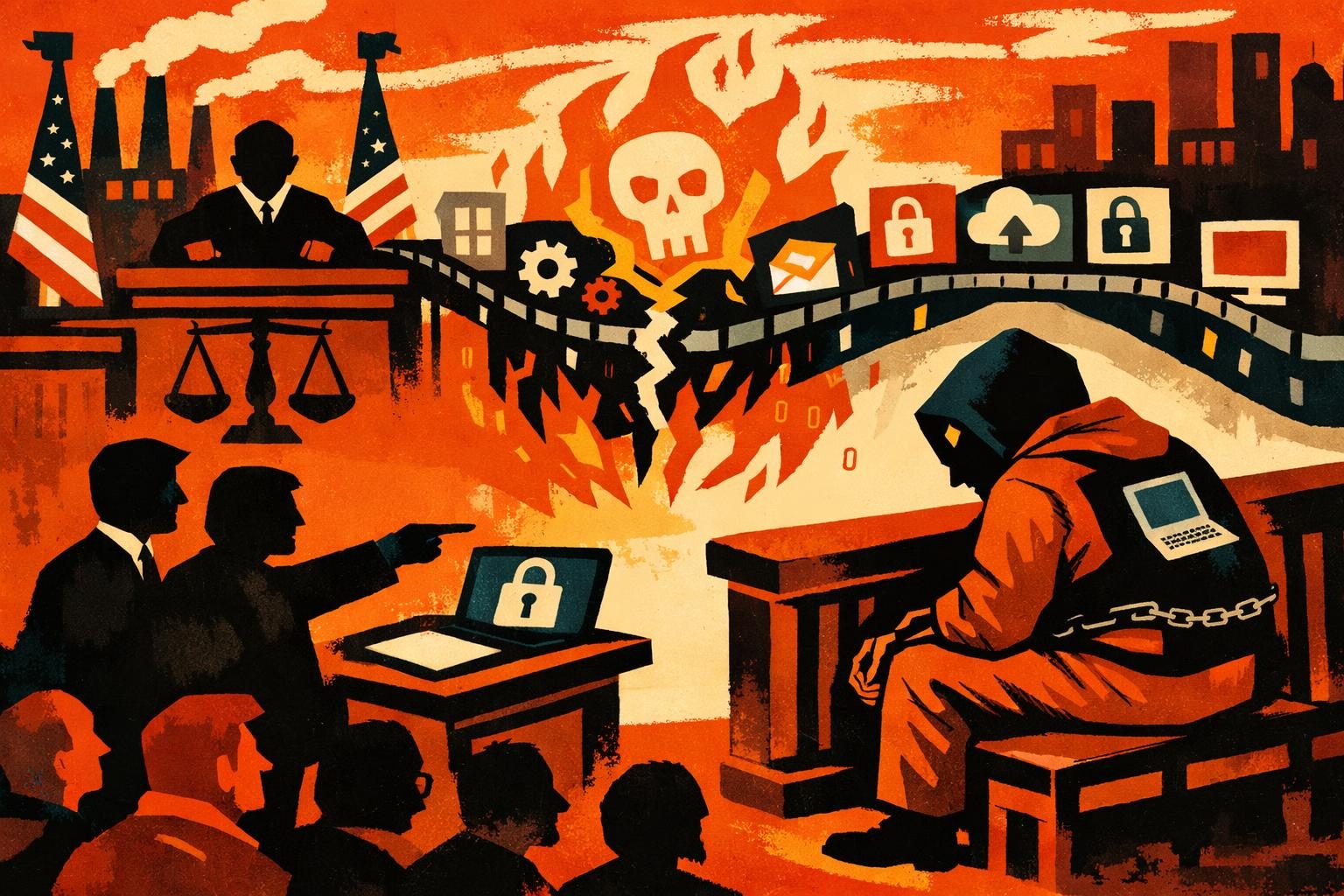
Federal prosecutors in the Northern District of California have unsealed an indictment accusing Ruben Ian Thomson of taking part in the TeamPCP cyberattacks that targeted software supply-chain security tools. The filing, announced on August 27, charges him with conspiracy to commit violations of the Computer Fraud and Abuse Act and with obtaining information from a protected computer. According to the government, Thomson was arrested by the Australian Federal Police with assistance from the FBI, a detail that immediately signals how far the case has stretched beyond a single jurisdiction. The allegations describe a campaign that relied on malicious code being inserted into trusted software tools, then used to probe downstream customers for sensitive information. If prosecutors can prove the case, it will stand as another reminder that the digital world’s most dangerous compromises often begin in the least glamorous place imaginable: the plumbing.
The basic shape of the alleged scheme is familiar to anyone who follows cybercrime, but the implications are still ugly. Supply-chain attacks work because they hijack trust at scale, turning ordinary vendor relationships into a conduit for intrusion. Instead of breaking into one company at a time, a threat actor can allegedly ride in through a tool that many organizations have already installed, approved, and forgotten about. That is what makes this case so disruptive, even at the accusation stage. The filing says the compromised tools were used to scan downstream customers for sensitive data, which suggests the operation was not just about access but about finding something useful to steal once inside. Prosecutors also allege that the access did not end after the initial exfiltration, with persistent footholds and ransom pressure used to keep the scheme profitable.
That combination of stealth, persistence, and monetization is what turns a technical breach into a broader criminal enterprise. A one-off intrusion is bad enough; a supply-chain compromise can become a force multiplier, spreading harm across multiple victim environments before anyone realizes the common point of failure. The indictment does not resolve every factual question, and it is important to keep the distinction between accusation and proof intact. Thomson, like any defendant, is entitled to challenge the case in court, and the government still has to establish its claims through evidence. Even so, the allegations described in the filing are detailed enough to sketch a recognizable pattern: code injection, downstream reconnaissance, data theft, and then pressure for payment. That sequence is not unusual in modern cybercrime, but it is especially alarming when the alleged entry point is software that organizations rely on to secure themselves.
The cross-border arrest adds another layer to the story. When U.S. prosecutors say the suspect was taken into custody by Australian authorities with FBI support, they are not just reporting a procedural footnote. They are showing that the investigation has already moved through the kind of international coordination that tends to take time, paperwork, and some degree of shared confidence in the evidence. It also suggests the government views the matter as more than a domestic hacking case with a convenient foreign angle. Cases like this often hinge on logs, infrastructure traces, financial trails, and evidence that has to be assembled across multiple countries and legal systems. That kind of collaboration can be slow, but it is also one of the few ways to pursue operators who know how to hide behind borders. For victims, the arrest may not undo the damage, but it does at least indicate that investigators were able to follow the thread far enough to put a name on the alleged conduct.
The broader lesson is the same one the cybersecurity world keeps relearning, usually after the damage is done. Software supply-chain security is not a niche concern reserved for engineers and auditors; it is a boardroom problem, a procurement problem, and in some cases a national-security problem. Organizations depend on a relatively small set of trusted tools to keep their systems patched, monitored, and functioning, which means a compromise in that layer can ripple outward faster than many defenders expect. The indictment is a public assertion, not a final verdict, but it captures why these cases matter so much: when a trusted tool is turned into a delivery mechanism for theft or extortion, the fallout spreads well beyond the first target. The government appears eager to show that the international hide-and-seek phase is ending, or at least becoming riskier for the people playing it. Whether that changes the behavior of the next crew is another question entirely, but for now the message is clear enough: the era of treating supply-chain security as background noise is increasingly a luxury nobody can afford.
Comments
Threaded replies, voting, and reports are live. New users still go through screening on their first approved comments.
Log in to comment
No comments yet. Be the first reasonably on-topic person here.