
Former U.S. government employee charged with trying to hand classified information to a foreign government
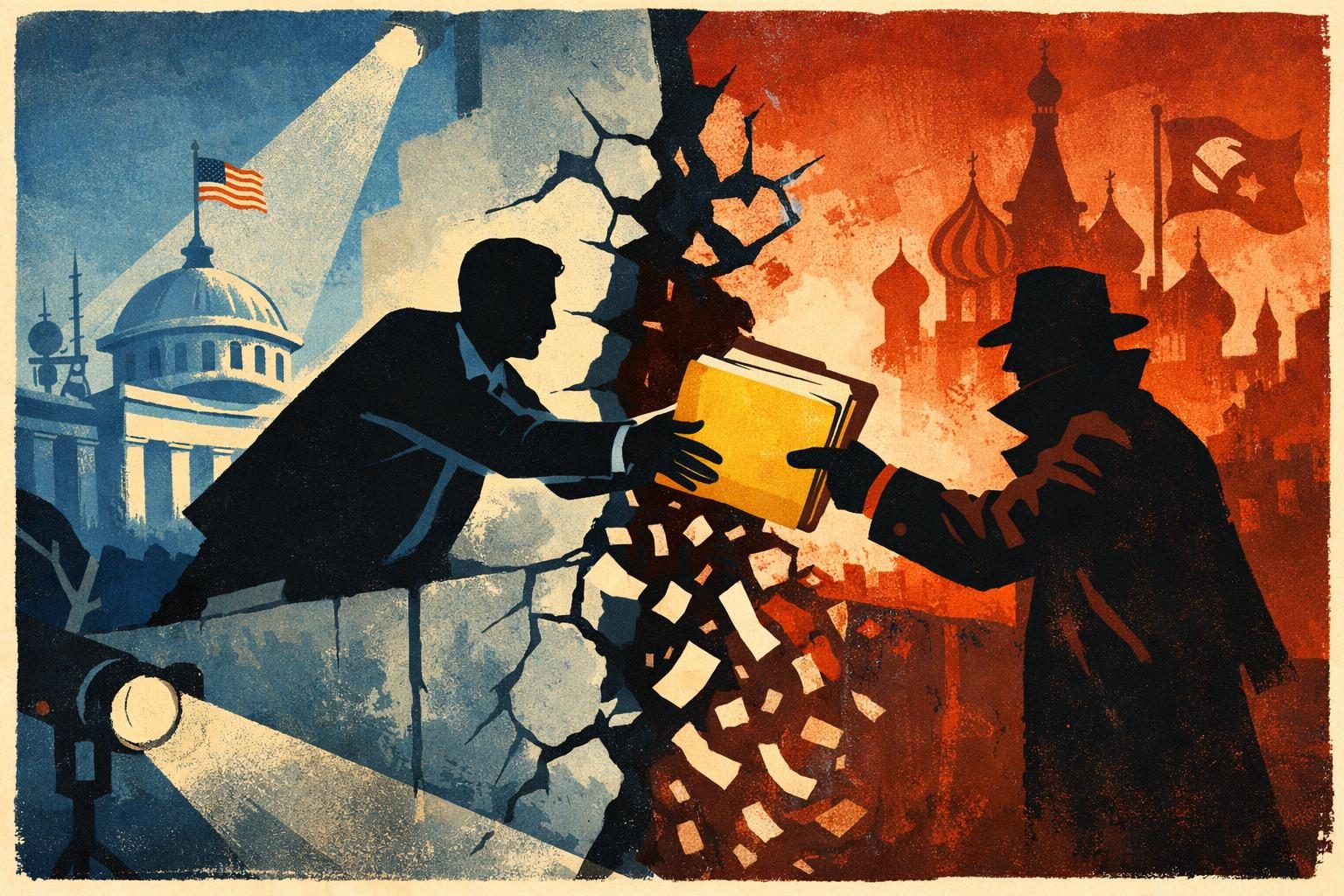
The Justice Department said on August 27 that a former U.S. government employee pleaded guilty to attempting to provide classified information to a foreign government, a case that cuts straight to the most basic promise of public service: that people entrusted with sensitive material will not turn around and try to trade it away. Prosecutors did not describe the episode as a routine personnel matter or a sloppy handling of records. They described conduct that, if fully borne out by the record, would amount to a deliberate effort to pass protected information to a foreign power. That is not the kind of mistake agencies can shrug off as a lapse in judgment. It is the sort of breach that national-security systems are built to prevent and, when they fail, to spend years trying to explain.
Even without every underlying detail publicly laid out in the brief announcement, the significance of the plea is clear enough. Classified-information cases are not just about one person’s conduct, but about the chain of access, oversight, and trust that makes modern government work. Someone had to be close enough to sensitive information to believe they could exploit it, and someone or something in the vetting or monitoring process either did not detect the danger soon enough or did not stop it in time. That reality matters because insider threats are among the hardest security problems to solve. Unlike an external cyberattack or a physical intrusion, they can move through official channels, look ordinary on paper, and leave behind fewer obvious warning signs until the damage is already done. A guilty plea in such a case therefore lands as more than a criminal disposition. It becomes an admission that a trusted system was vulnerable in a way it was supposed to recognize.
The case also arrives at a moment when questions about loyalty, discipline, and institutional security have become politically loaded beyond the confines of any single investigation. Administrations of both parties routinely promise tighter controls, stricter accountability, and a harder edge toward leaks and espionage. But rhetoric does not protect classified material by itself, and the public often sees only the aftermath when something has already gone wrong. That is why cases like this tend to reverberate beyond the courtroom. They prompt familiar debates about who gets access, how much is too much access, whether background checks are enough, and whether agencies are truly willing to confront internal risks before they become national embarrassments. Supporters of stronger enforcement will point to the guilty plea as proof that the system can still respond. Skeptics will point in the opposite direction and ask how a former employee allegedly got close enough to sensitive information to attempt something so serious in the first place. Both reactions can be true at the same time, which is part of what makes these episodes so politically and operationally awkward.
The broader consequence is not limited to one defendant or one set of facts. Cases involving classified material usually trigger a chain of legal, administrative, and investigative consequences that can extend well beyond the initial plea. Sentencing will be one obvious next step, but reviews inside the relevant agencies are also common when the underlying conduct suggests a gap in security culture or internal controls. Officials will likely stress that the plea demonstrates the government’s willingness to pursue insider threats aggressively and that any attempt to hand protected information to a foreign government is treated as a grave offense. At the same time, the matter serves as a reminder that national security failures are often cumulative. They can begin with access, progress through opportunity, and end with betrayal before anyone realizes the system has been compromised. That is what makes this case such an ugly one, and why it will almost certainly be cited as another example of how fragile trust becomes when someone inside the government decides to weaponize it.
Comments
Threaded replies, voting, and reports are live. New users still go through screening on their first approved comments.
Log in to comment
No comments yet. Be the first reasonably on-topic person here.