
FTC asks for public comment on X’s bid to unwind its privacy order
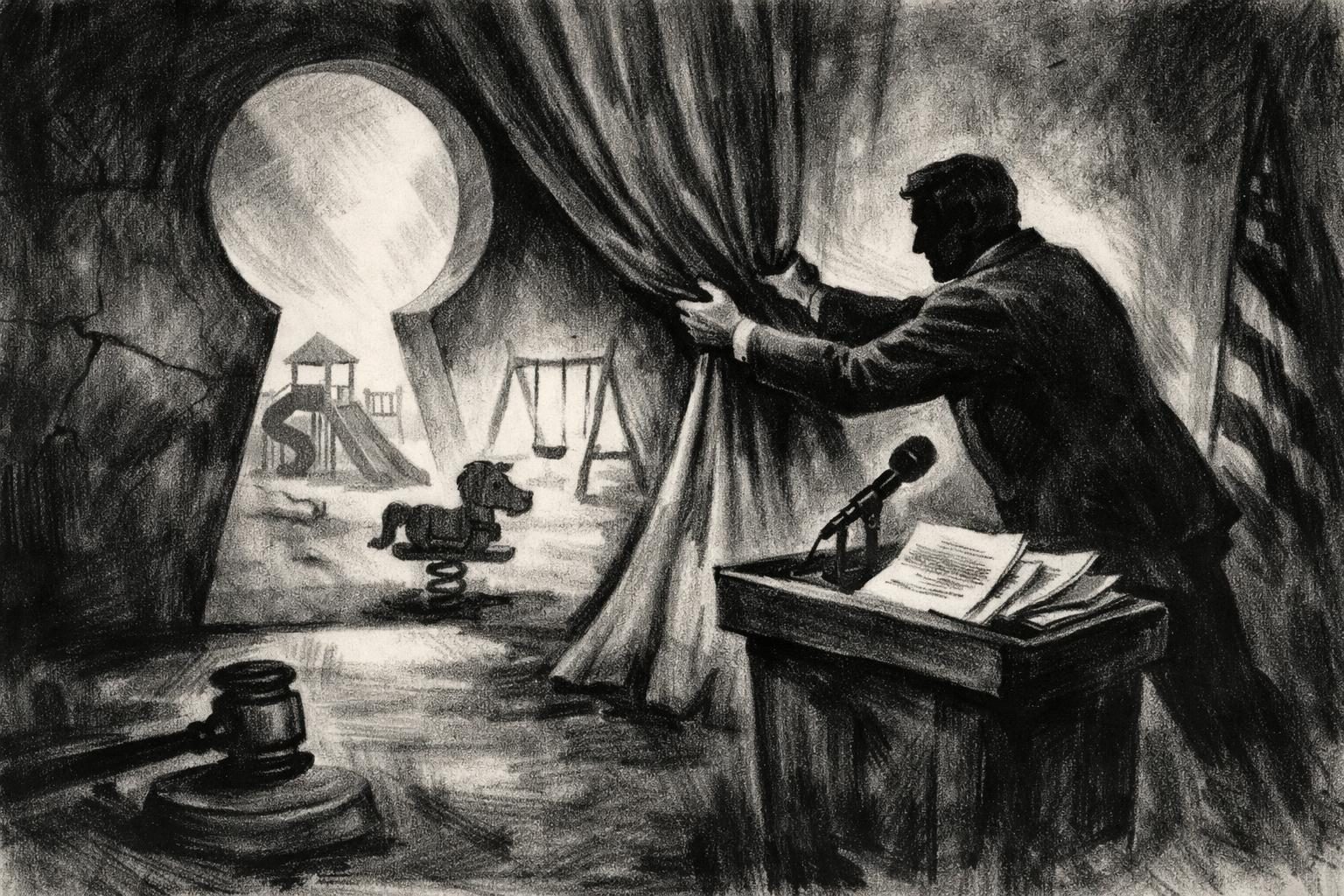
The Federal Trade Commission said Wednesday that it will take public comment on X Corp.’s request to modify or set aside the agency’s 2022 settlement order, opening a formal process that could determine how much of the old Twitter-era privacy burden still follows the company into its next phase. The move does not mean the order will be changed, but it does put the question back on the table in a way that invites outside arguments from consumers, advocates, competitors and other interested parties. For X, the petition is a chance to try to loosen a legal constraint that has hovered over the company since before Elon Musk renamed the platform. For the FTC, it is another test of how much flexibility the agency should have when a company asks to revisit a prior enforcement deal. The timing matters because privacy enforcement is already in a state of transition, and the commission’s latest action suggests it is willing to reexamine some of the assumptions that have guided its approach.
The 2022 settlement order stemmed from the agency’s long-running concerns about how Twitter handled user data and compliance obligations tied to earlier promises it made to regulators. X is now asking the commission to either modify that order or eliminate it altogether, a request that could reduce or reshape the company’s obligations if the FTC agrees. Public comment is a standard procedural step, but in practice it can be politically meaningful because it gives the commission a record of support and opposition before it decides whether to act. That record may matter especially here, where privacy enforcement, platform accountability and corporate governance all overlap. The agency has not signaled how it will rule, and nothing in the announcement suggests that relief is likely or imminent. Still, by agreeing to review the petition in public, the commission has at least acknowledged that the question is serious enough to warrant a broader look. Companies facing legacy regulatory orders often watch these moments closely because they can indicate whether the government is prepared to revisit old settlement architecture or defend it rigidly.
At the same time, the commission separately issued a policy statement saying it will not bring enforcement actions under the Children’s Online Privacy Protection Rule in the same way it has before. That statement matters because COPPA has long been one of the main federal tools for policing how digital services collect, use and disclose personal information from children under 13. A change in enforcement posture does not necessarily rewrite the rule itself, but it can still alter how aggressively the agency uses it, what kinds of cases it prioritizes and how much risk companies think they face. In a field where so much turns on interpretation, even a procedural shift can carry major practical consequences. The agency’s language signals a reassessment rather than a wholesale retreat, yet the effect may still be felt quickly by platforms, app makers and ad-tech businesses that rely on clear lines around child data. The fact that the commission paired this policy statement with the X action underscores how much privacy policy is being shaped as much by process and discretion as by statute or formal rulemaking.
Together, the two moves point to a broader moment of uncertainty inside one of the government’s most closely watched consumer-protection arenas. For X, the petition is a direct effort to shake off part of a regulatory structure that could continue to impose compliance costs, legal exposure and reputational baggage. For the FTC, the public-comment process and the COPPA statement may reflect a recalibration of how it wants to manage old cases and current enforcement priorities at the same time. The agency is not giving up on privacy, but it is signaling that the path it takes may be different from the one it has used before. That distinction matters because procedural changes often end up producing substantive effects, especially for companies that build products around large-scale data collection. For now, the only certainty is that the commission has opened two related doors: one on a specific settlement tied to X’s past, and another on how the FTC intends to police child privacy going forward. What happens next will depend on the comment record, the commission’s internal votes and how far it wants to go in redefining its own enforcement playbook.
Comments
Threaded replies, voting, and reports are live. New users still go through screening on their first approved comments.
Log in to comment
No comments yet. Be the first reasonably on-topic person here.