
House Oversight schedules hearing on birth tourism
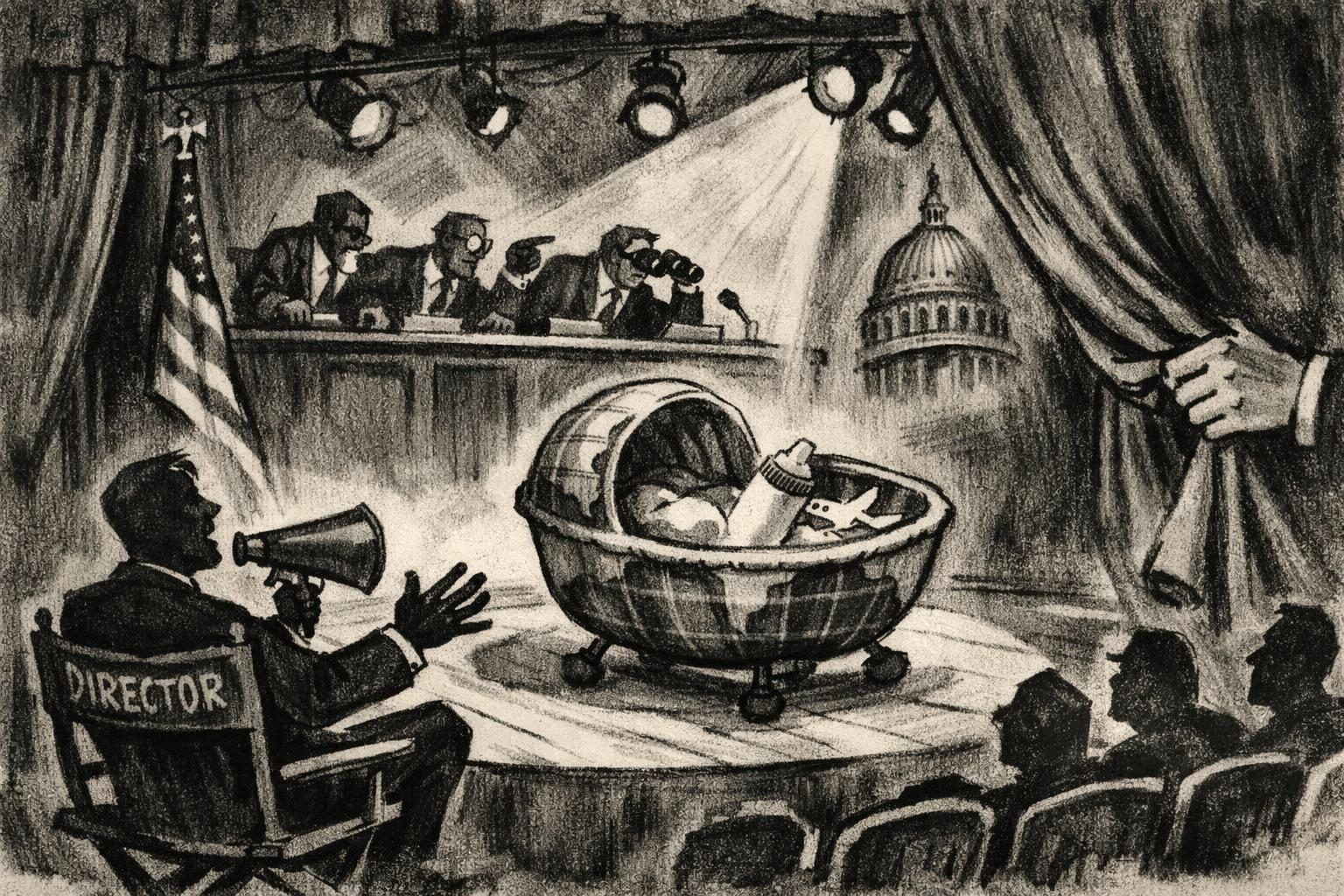
House Republicans on the Oversight Committee are set to turn birth tourism into the latest subject of congressional stagecraft, announcing a hearing titled "Protecting American Citizenship: Confronting Birth Tourism." The notice is real, and so is the political intent behind it. On paper, the panel is framing the session as a matter of citizenship integrity and immigration enforcement. In practice, it looks like another bid to package long-running conservative anxieties about immigration into the familiar machinery of hearings, statements, and selectively alarming questions. The committee has not produced a policy outcome yet, but it has made a choice about what it wants the public to see as a national priority. That choice says plenty about the current condition of congressional oversight, where symbolism often travels farther than legislation.
The setup is predictable enough to recognize the script before the witnesses are even named. Republicans have repeatedly tried to elevate birthright citizenship, visa abuse, and related immigration fears into a broader spectacle about sovereignty and border control, and this hearing fits neatly inside that pattern. Birth tourism, as a political talking point, works because it compresses a complicated set of legal and demographic arguments into an easy-to-repeat grievance: outsiders are allegedly coming to the United States to take advantage of a constitutional guarantee. That framing is emotionally useful for lawmakers who want to keep migration issues in the spotlight without having to offer durable solutions to the larger problems shaping immigration politics. A hearing titled this way is not just about gathering information. It is also about deciding which anxieties deserve institutional attention and which questions can be waved through as settled. The result is a committee agenda that can look active while remaining mostly performative.
That matters because congressional hearings do not exist in a vacuum. Even when they do not immediately change the law, they can shape how the public understands a problem and who gets blamed for it. A hearing centered on birth tourism can help turn a niche issue into a proxy fight over citizenship itself, making a constitutional right sound like a scarce reward that must be guarded against abuse. That is a useful political move for lawmakers eager to tighten the frame around immigration, especially when they want to broaden suspicion from tourists and visa holders to immigrants more generally. It also gives conservative members a platform to recast enforcement theater as sober governance, even if the practical consequences are limited. The legal status of the people likely to be discussed may remain unchanged after the hearing, but the messaging does not vanish just because the gavel falls. It lingers in the background, feeding a broader effort to make exclusion sound administrative.
The sharper criticism is not that Congress should never hold hearings on contentious issues. It is that this chamber routinely spends time manufacturing urgency around symbolic fights while more pressing work sits unresolved. Hearings are cheap in the narrowest sense: they create headlines, they create clips, and they create the appearance of action. Governing is the expensive part, and it is the part that requires compromise, patience, and actual policy design. When committee energy gets poured into a grievance-driven spectacle, it is reasonable to ask what else is being neglected. That is especially true when the issue at hand is being used less as a legal question than as a political signal. The message is less about solving a definable problem than about demonstrating loyalty to a broader anti-immigration posture. In that sense, the hearing is not an isolated event. It is part of a wider congressional habit of curating outrage, treating vulnerability as a political prop, and elevating suspicion into a form of oversight.
So the immediate impact may be modest, but the institutional meaning is still worth noticing. This is a live move by a powerful committee, not just another overheated talking point floating through the partisan bloodstream. It gives the appearance of procedural seriousness to a project that is, at bottom, about tightening the boundaries of belonging and making that project look normal. It also sends a warning signal to immigrants and mixed-status families who know that these debates are rarely confined to the narrow issue being named. The hearing may not produce a new law, but it will help define what kind of fear Congress is willing to amplify and what kind of citizenship it is willing to portray as under siege. That is why this is more than mere noise. It is committee theater with real political effects, even if the script is familiar enough to feel almost routine.
Comments
Threaded replies, voting, and reports are live. New users still go through screening on their first approved comments.
Log in to comment
No comments yet. Be the first reasonably on-topic person here.