
ICE buys electric-shock gloves for detainee control, triggering fresh abuse alarms
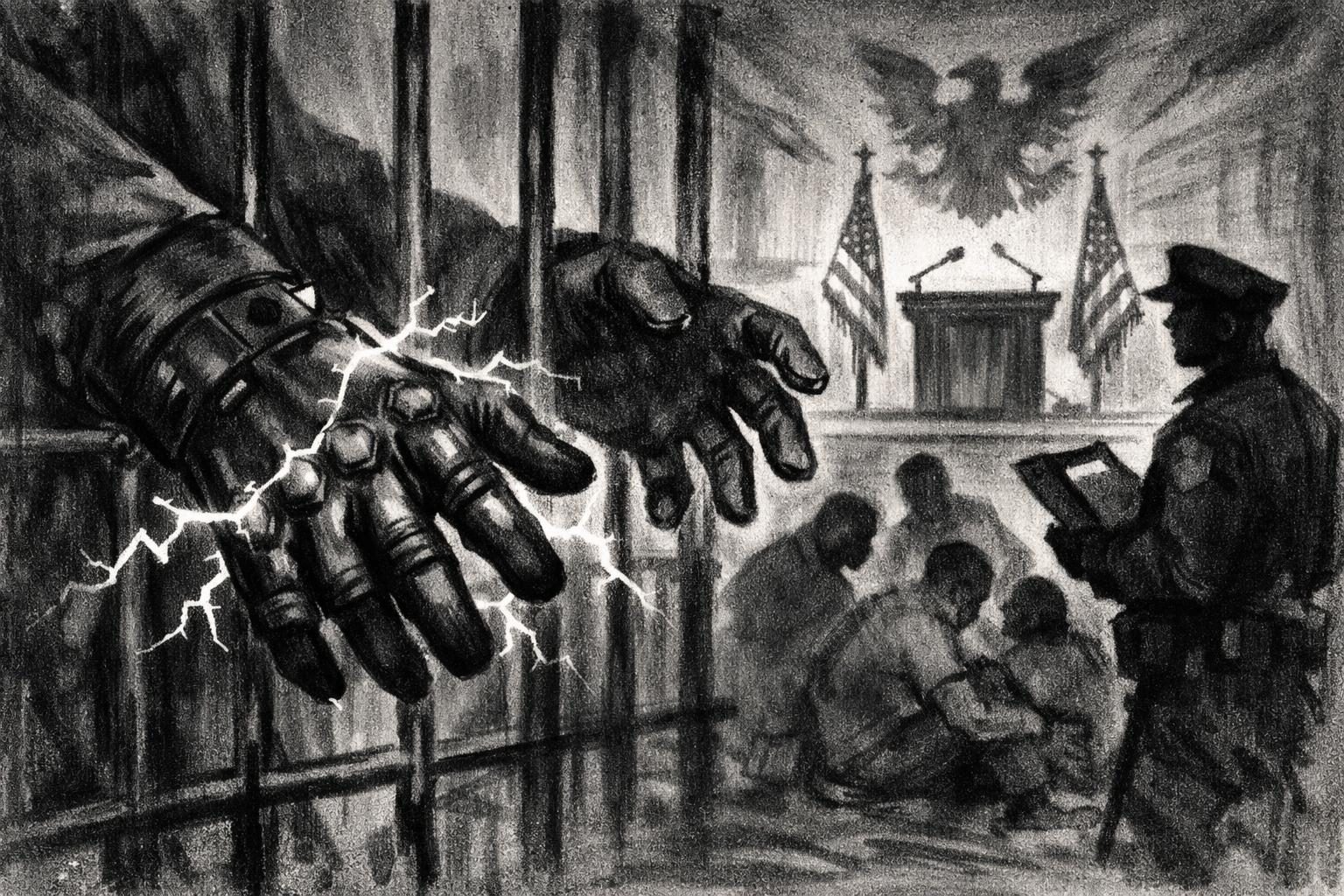
Immigration and Customs Enforcement has quietly awarded a $16.7 million no-bid contract to buy 6,000 pairs of gloves that can deliver electric shocks, a purchase that immediately raises questions about how far the agency is willing to push the use of force inside immigration enforcement. The contract notice surfaced in a federal procurement database on Thursday, giving the decision an official paper trail rather than the whiff of a rumor or an isolated leak. According to the notice, the gloves are intended to help officers control detainees and protesters who resist, which is a bureaucratic way of describing a tool built to inflict pain. That alone is enough to make the procurement stand out, even in a political climate where the federal response to immigration has become increasingly aggressive. At minimum, the purchase signals that ICE is investing in more coercive equipment at a time when public scrutiny of detention practices is already high.
The gloves are not just another piece of tactical gear. They sit at the center of a much larger argument about what kind of force federal immigration officers should be carrying, how often it should be used, and what kind of accountability exists when that force is deployed. Civil-rights advocates have long argued that ICE already operates with too little oversight and too much discretion, especially in environments where detainees may have limited ability to challenge officers’ actions in real time. A product designed to deliver controlled electric shocks is certain to intensify that concern, because it suggests a willingness to normalize pain as a management tool. Even if the agency insists the gloves are meant as a last-resort option, the existence of the contract invites skepticism about whether “last resort” will actually mean much on the ground. In any setting where detainees are restrained, frightened, or medically vulnerable, the risk of misuse or overuse is impossible to dismiss lightly.
The political fallout is easy to anticipate, even if the exact reaction will depend on how much more detail emerges about the purchase, the training, and the intended rules for deployment. Immigration advocates are likely to frame the contract as another sign that enforcement is becoming more punitive and less accountable, while Democrats will almost certainly use it to argue that the administration is deepening a crackdown rather than reforming it. But the discomfort is not limited to one side of the aisle. Even many voters who support tougher border enforcement are likely to find shock gloves more unsettling than reassuring, especially if they see the procurement as a symptom of bureaucratic overreach rather than practical security. The image of a federal officer wearing gloves that can zap a person into compliance does not suggest measured authority; it suggests a willingness to escalate. For an agency already under pressure to justify its methods, that is a politically expensive look.
The contract also opens a series of practical questions that the public has every right to ask before such equipment is widely introduced. How will ICE train officers to use the gloves, and what standards will govern when the shocks can be administered? What medical precautions will be required, especially for people who are injured, elderly, pregnant, or otherwise vulnerable? Will there be reporting requirements, body-camera documentation, or independent review when the gloves are used? And perhaps most importantly, how will the agency prevent a tool that is marketed as a control device from becoming a shortcut for intimidation or punishment? Those questions matter because procurement decisions do not stay on paper for long. Once the gear is delivered, it can become part of daily enforcement practice, often before lawmakers or the public have a chance to understand what has changed. That is the larger warning here: the contract is not just about gloves, but about the steady normalization of force creep inside an agency that already operates behind a thick wall of secrecy. If ICE believes this purchase will pass unnoticed, it may be underestimating how quickly a no-bid shock-glove contract can become a symbol of the administration’s approach to enforcement, accountability, and restraint.
Comments
Threaded replies, voting, and reports are live. New users still go through screening on their first approved comments.
Log in to comment
No comments yet. Be the first reasonably on-topic person here.