
States Sue Over Trump’s New Title X Strings, Calling Them an Illegal Power Grab
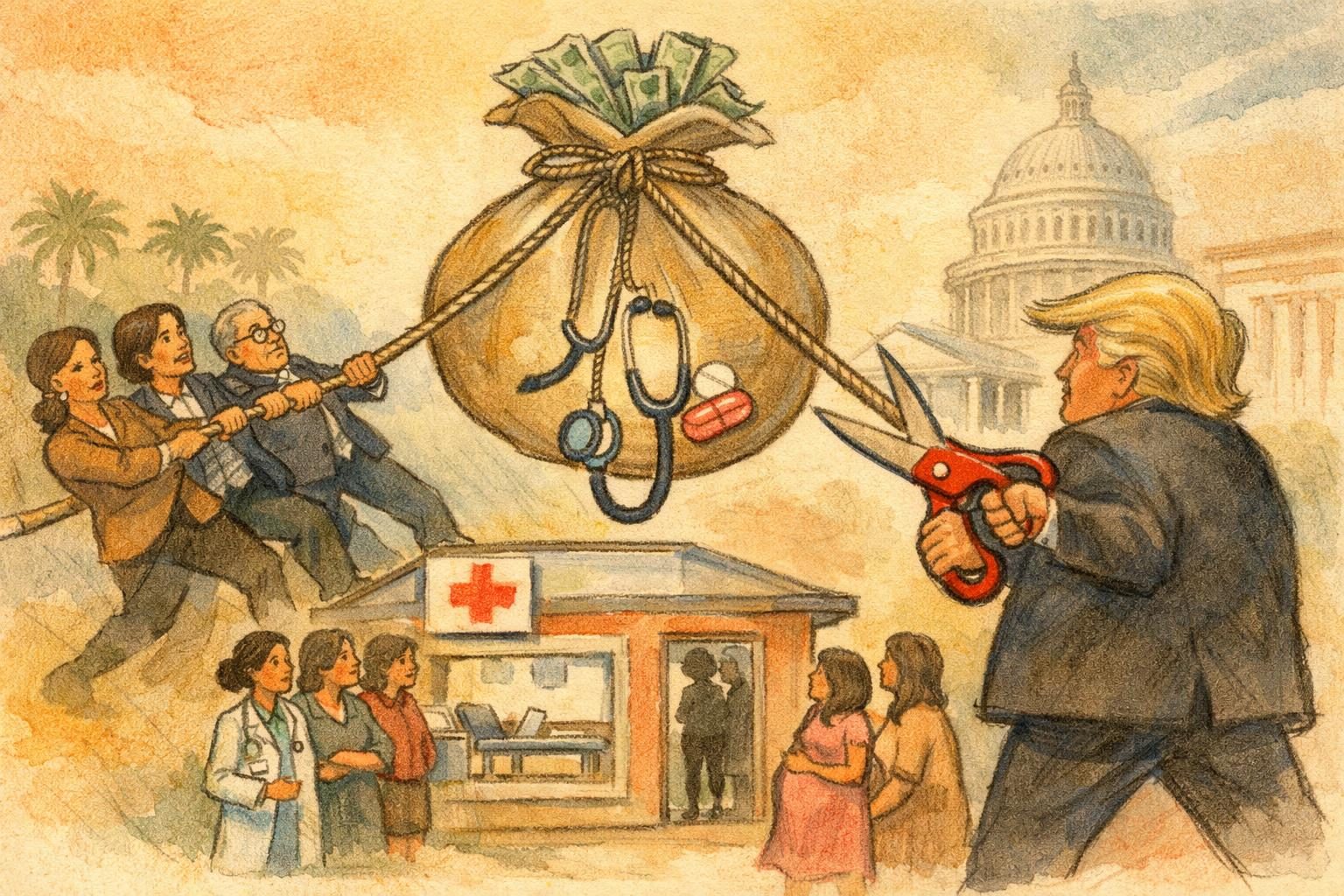
A multistate coalition led by California filed a federal lawsuit on Aug. 27 seeking to block the Trump administration from imposing new conditions on Title X family-planning grants, setting up another clash over how far Washington can go in attaching ideology to public health money. The states argue that the administration is trying to change the terms of the program after the fact, upsetting expectations for health departments, clinics, and patients that rely on the funding to keep basic reproductive care available. Title X has long been treated as a pillar of preventive care for low-income people, helping cover contraception, cancer screenings, STI testing, and related services without forcing patients to navigate a political obstacle course to get them. The complaint frames the new requirements as not just unwelcome but unlawful, saying the federal government cannot use grant leverage to pressure states and providers into compliance with a policy agenda unrelated to the program’s core purpose. In the view of the states, the move is less a routine adjustment to a grant program than a bureaucratic ambush that could leave clinics scrambling to figure out whether they can continue serving patients without jeopardizing the money that keeps them open.
The lawsuit lands at a delicate moment for state health agencies and local providers, many of which are already operating under tight budgets and shifting federal expectations. Family-planning clinics usually depend on predictable funding streams and clear guidance, because even modest disruptions can quickly turn into canceled appointments, reduced hours, staffing gaps, or service cutoffs. The states say the administration’s new conditions would create exactly that kind of instability, forcing providers to choose between keeping federal dollars and continuing to deliver care under established medical standards. That kind of choice, they argue, is no real choice at all, especially for patients who have limited access to alternatives and may be relying on Title X clinics as their only affordable source of care. The complaint also suggests that the federal government is trying to use grant conditions as a way to enforce compliance with political messaging, turning a health program into a loyalty test. In the states’ telling, that is precisely what makes the move so dangerous: it would let Washington rewrite the rules midstream and then blame local systems when the inevitable confusion follows.
The underlying fight is about more than one grant program, which is why it has drawn the kind of sharp language usually reserved for broader battles over executive power. Democratic state officials have cast the issue as an attack on women’s health and a direct interference with medical access, while the administration appears to be betting that it can stretch federal grant authority far enough to survive in court. Title X has historically occupied a narrow but important space in the health system, where the central question is supposed to be whether patients can get care, not whether clinics are sufficiently aligned with the preferences of whoever is in the White House. That framework matters because the program serves patients who often have nowhere else to go, and even a temporary disruption can leave gaps that are hard to close. If new conditions are allowed to stand, states warn, the precedent could reach beyond family planning and signal that federal health dollars can be conditioned on ideological obedience whenever the government wants to escalate a political fight. The practical fear is that clinics would be pushed into a corner where compliance with new political demands becomes the price of maintaining essential medical services.
For now, the case is a test of both administrative authority and the durability of the firewall between health funding and partisan control. The states are asking the court to stop the changes before they ripple through the system, arguing that the federal government cannot simply impose fresh strings on money that clinics and states were already planning around. That timing matters because these programs are not abstract line items; they affect appointment schedules, patient access, and the ability of clinics to keep doors open without interruption. The administration, meanwhile, is signaling a broader willingness to use federal leverage in health policy fights, even when that risks more uncertainty for the very providers expected to carry out the work. Whether the courts treat the new conditions as a legitimate exercise of grant authority or as an unlawful power grab will determine not just the fate of this round of Title X funding, but also how much room future administrations have to weaponize health dollars for ideological ends. For clinics and patients already living with shrinking margins, the result could decide whether family-planning care remains a public service or becomes another battlefield in the endless culture-war inventory.
Comments
Threaded replies, voting, and reports are live. New users still go through screening on their first approved comments.
Log in to comment
No comments yet. Be the first reasonably on-topic person here.